
Most cabinet install problems start before installation day, mainly because of poor planning, inaccurate measurements, and miscommunication. If you rush the design or skip double-checking room dimensions, you risk hardware misfits or space conflicts. Choosing incompatible hardware or missing details from suppliers can cause delays. Proper planning and clear communication are essential to avoid these issues. Keep going to discover how to prevent common pitfalls and guarantee a smoother installation process.

Get business pricing on tools and workshop supplies
- Business-only prices and quantity discounts
- Tax-exempt purchasing
- Multiple users, one account, clear invoices
Key Takeaways
- Inaccurate measurements during planning cause misaligned cabinets and fitting issues.
- Poor communication with suppliers leads to incorrect orders and hardware mismatches.
- Inadequate space planning results in cabinets that don’t fit or clash with existing decor.
- Rushing the design process increases the risk of errors and overlooked details.
- Lack of proper scheduling and delay management causes delivery issues before installation begins.
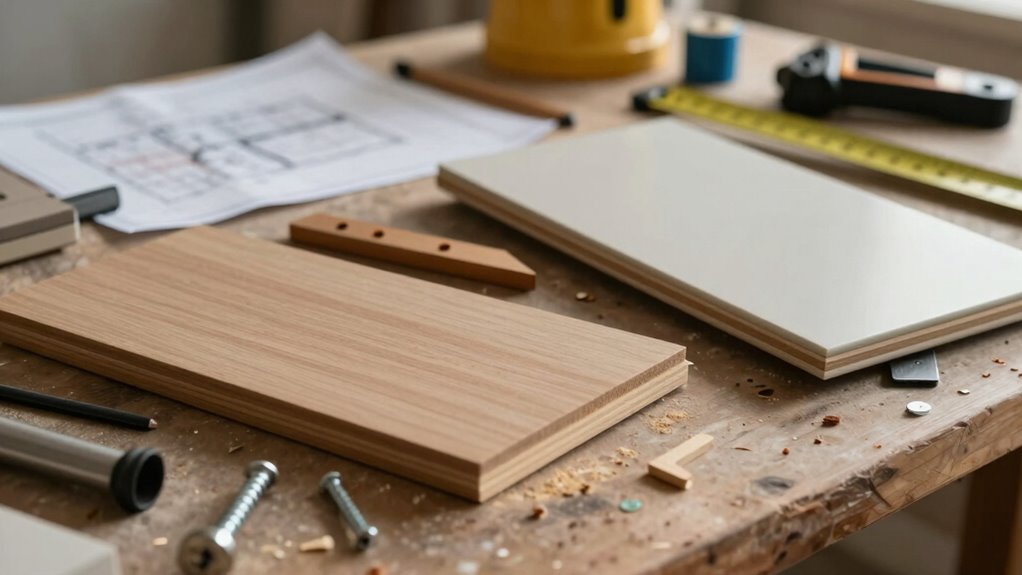
Installing cabinets might seem straightforward, but many homeowners encounter unexpected problems along the way. These issues often stem from the planning phase, long before you even start hanging the first door. Hardware issues are a common obstacle, especially if measurements aren’t precise or if the wrong hardware is purchased. You might find that handles don’t align properly, hinges don’t fit, or the screws are incompatible with the cabinet material. These problems can delay the installation process and cause frustration, making it clear that attention to detail during the planning and ordering stages is essential. Proper measurement accuracy and quality hardware selection are critical to avoiding these issues. Design conflicts are another frequent problem that begins before installation day. When you’re selecting cabinets, it’s easy to overlook how the design will fit your space or match your overall aesthetic. You might realize too late that the cabinets are too tall for your ceiling height or that they clash with existing decor. These conflicts often lead to rethinking the entire layout, which can be time-consuming and costly. It’s important to double-check measurements and consider your room’s dimensions carefully before making final decisions. Misjudging the space or rushing the design phase can lead to significant setbacks down the line. Another reason why problems start early is miscommunication or incomplete information from suppliers or contractors. If your order isn’t clear, or if the specifications aren’t confirmed, you could receive cabinets that don’t match your expectations. This includes the wrong finishes, sizes, or hardware. When you’re not thorough in verifying details beforehand, you risk discovering these issues only after delivery, which complicates installation plans. It’s wise to review all specifications and confirm details multiple times before placing your order. Furthermore, poor planning can lead to problems with the installation timeline. If you don’t account for delivery delays or if you leave insufficient time for assembling and adjustments, you may find yourself rushing during installation. Rushing increases the likelihood of hardware issues and design conflicts becoming more pronounced, as you might ignore small details or shortcuts to meet deadlines. Proper scheduling and anticipation of delays help prevent these early-stage problems from snowballing into larger, more frustrating obstacles. Additionally, understanding the importance of proper communication with suppliers can significantly reduce misunderstandings that lead to errors. Being aware of the importance of detailed planning and how it affects each step can help you address potential issues proactively. Ultimately, understanding the importance of detailed planning and thorough communication can make the entire cabinet installation process smoother and more predictable. In essence, many cabinet installation problems originate from choices and mistakes made before the first screw is driven into the wall. Addressing hardware issues, ensuring your design conflicts are resolved, and verifying details early on can save you time, money, and stress. Planning thoroughly and double-checking every element lays a solid foundation that minimizes surprises when installation finally begins.
As an affiliate, we earn on qualifying purchases.
Frequently Asked Questions
How Can I Assess My Kitchen’s Readiness Before Cabinet Installation?
To assess your kitchen’s readiness before cabinet installation, review your design layout to guarantee all measurements are accurate and match your plan. Check that your material selection is correct and properly delivered. Clear the space of obstacles, and confirm the walls are level and free of damage. This preparation helps prevent problems during installation, saving you time and money, and ensures the cabinets fit perfectly and function smoothly.
What Are Common Signs of Poor Cabinet Measurements?
You’ll notice signs of poor cabinet measurements through inconsistencies like gaps, misaligned doors, or uneven spacing. Measuring mistakes often lead to incorrect templates, which cause these issues. If your cabinets don’t fit snugly or doors don’t close properly, chances are the measurements were off. Double-check your measurements carefully and verify your templates before ordering to avoid these common problems and make certain a smooth installation process.
How Do I Choose the Right Cabinet Installer?
To choose the right cabinet installer, start by checking their experience with various cabinet materials, guaranteeing they have a solid track record. Ask for references and examples of past work. Make sure they understand your desired installation timeline and can meet it reliably. Clear communication is key—choose someone who listens, provides detailed estimates, and answers your questions promptly. A skilled installer will handle your project efficiently and ensure a perfect fit.
What Tools Are Essential for Preparing for Cabinet Installation?
Think of your toolbox as a painter’s palette—essential for preparing your space. You’ll need a tape measure, level, drill, screwdriver, and stud finder to guarantee precise measurements and proper alignment. These tools help you double-check cabinet design and material selection, avoiding surprises. A square and pencil are also crucial for marking and ensuring everything fits perfectly before installation day. Proper preparation makes the process smooth and satisfying.
How Long Should I Expect the Preparation Phase to Last?
You should expect the preparation phase to take about a week or two, depending on your kitchen layout and material selection. During this time, you’ll measure carefully, confirm your cabinet dimensions, and make certain your space is ready for installation. Proper planning and precise measurements reduce surprises later. Double-check your materials and layout plans, so everything aligns perfectly before installation day, saving you time and headaches.
Conclusion
Remember, rushing the planning stage is like planting seeds in rocky soil—you’ll struggle to grow a strong foundation later. By addressing potential issues early, you lay the groundwork for a smooth cabinet installation. When you take the time to prepare properly, you’re building a sturdy bridge rather than a shaky ladder—making your project safer and more successful. So, invest in the groundwork now, and enjoy the beautiful, trouble-free cabinets you’ll have tomorrow.
Evergreen bestsellers Picks
bestsellers
As an affiliate, we earn on qualifying purchases.