
TL;DR
Many homeowners have been using bathroom exhaust fans incorrectly, reducing their effectiveness. Experts now advise on proper usage to ensure better ventilation and prevent mold.
Many homeowners have been using their bathroom exhaust fans incorrectly, according to recent expert guidance, potentially compromising ventilation and indoor air quality. This revelation matters because improper use can lead to increased moisture, mold growth, and higher energy bills, affecting health and property value.
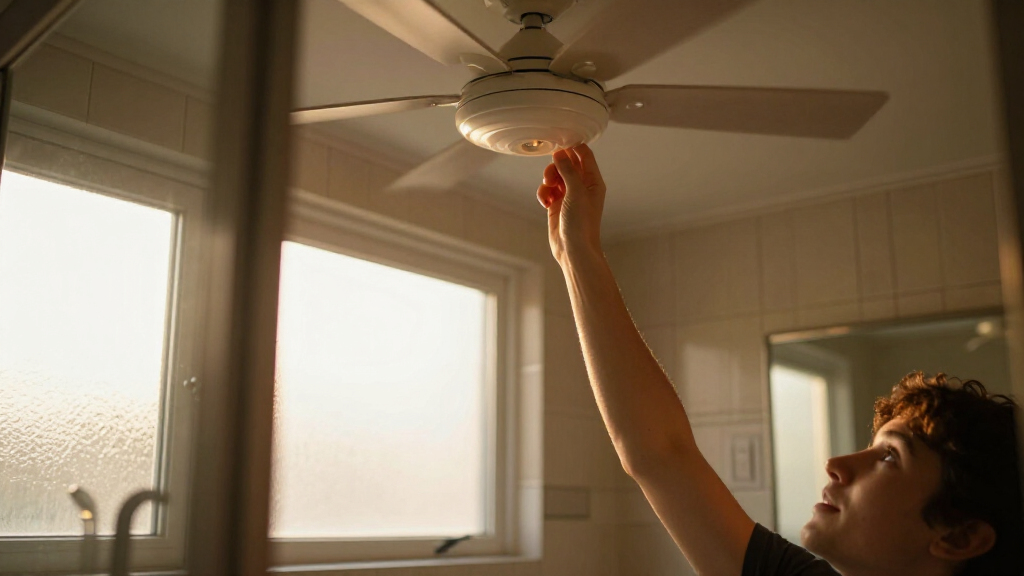
Experts from the Indoor Air Quality Association (IAQA) have issued updated recommendations emphasizing the correct operation of bathroom fans. The key advice is to run the fan **before, during, and after** showering, rather than turning it on only after the shower is finished. This approach ensures moisture is effectively extracted, preventing buildup that can lead to mold and mildew.
Many homeowners have traditionally switched on bathroom fans only after showering, believing that this is sufficient. However, studies and expert opinions now indicate that continuous operation during and immediately after showering significantly improves ventilation. Additionally, the correct placement and maintenance of the fan are crucial for optimal performance, with filters needing regular cleaning to prevent blockages.
According to IAQA spokesperson Dr. Lisa Martinez, “Proper usage of bathroom fans is essential for controlling indoor humidity. Our research shows that many users are unaware of the importance of operating the fan **before** showering to prevent moisture from accumulating in the first place.”
Why Correct Bathroom Fan Use Reduces Mold and Saves Energy
This new guidance is significant because it can help homeowners prevent mold growth, which is linked to health issues such as allergies and respiratory problems. Proper ventilation also reduces indoor humidity, protecting walls, ceilings, and fixtures from damage. Additionally, running fans during the entire shower cycle can lower energy costs by preventing the need for costly mold remediation and repairs.
Furthermore, improved ventilation aligns with building codes and health standards, making homes safer and more compliant. Experts emphasize that simple behavioral changes in bathroom fan use could have a substantial impact on indoor air quality nationwide.
As an affiliate, we earn on qualifying purchases.
Widespread Misuse and Evolving Ventilation Recommendations
For years, homeowners have operated bathroom fans based on outdated advice or misconceptions, often turning them on only after showering. Building codes and ventilation standards have evolved, but public awareness has lagged. Recent research by IAQA and other industry groups has highlighted that continuous operation during and immediately after showers is more effective.
This shift in guidance stems from studies showing that moisture can quickly accumulate in bathrooms, especially in poorly ventilated spaces. Proper ventilation is now recognized as a key factor in preventing mold, odors, and indoor air pollution. However, many homeowners remain unaware of the correct practices, and some older homes lack properly functioning fans altogether.
Manufacturers are also updating product labels and manuals to reflect these new recommendations, but widespread awareness remains limited.
“Many homeowners are unaware that running the fan **before** and **during** showering significantly improves moisture removal, reducing mold risk.”
— Dr. Lisa Martinez, IAQA spokesperson
Unclear How Widespread the Misuse Is and Adoption of New Practices
It is not yet clear how many homeowners are aware of or will adopt these new recommendations. The extent of improper usage across different regions and home types remains under study, and some older fans may require replacement or repair to meet the updated standards.Next Steps for Homeowners and Industry Stakeholders
Experts recommend that homeowners review their bathroom ventilation practices and ensure fans are operated **before, during, and after** showering. Manufacturers are expected to update product labels and instructions to reflect these guidelines. Industry groups plan to launch awareness campaigns to promote proper use. Additionally, local building authorities may consider revising educational materials and inspections to encourage compliance.
Further research is anticipated to measure the impact of these changes on mold reduction and indoor air quality over the coming months.
Key Questions
Why is running the bathroom fan before showering important?
Running the fan before showering helps remove moisture from the air as it is generated, reducing humidity levels and preventing mold growth.
How long should I keep the bathroom fan on during and after a shower?
Experts recommend running the fan **during** the shower and **at least 20-30 minutes** afterward to ensure all moisture is effectively vented.
Can I just turn on the fan after showering to prevent mold?
While turning it on after showering helps, the most effective approach is to operate the fan **before, during, and after** to prevent moisture from accumulating in the first place.
What if my bathroom fan is old or not working properly?
If your fan is outdated or malfunctioning, consider replacing it with a model designed for continuous operation and proper ventilation. Regular maintenance, including cleaning filters, is also essential.
Are there health risks associated with improper bathroom ventilation?
Yes, poor ventilation can lead to mold growth, which is linked to respiratory issues, allergies, and other health problems. Proper use reduces these risks.
Source: rss