TL;DR

Get business pricing on tools and workshop supplies
- Business-only prices and quantity discounts
- Tax-exempt purchasing
- Multiple users, one account, clear invoices
A resident in NYC has set up a functional aquaponics system in their apartment, demonstrating innovative urban farming. The project aims to promote sustainability and self-sufficiency in city living.
A resident of New York City has successfully installed a functional aquaponics system inside their apartment, marking a notable example of urban sustainable agriculture. This development highlights growing interest in self-sufficient living spaces and eco-friendly food production within city environments. The project, which integrates fish and plant cultivation in a compact setup, is believed to be among the first of its kind in a NYC residential setting, drawing attention from local sustainability advocates and urban farming enthusiasts.
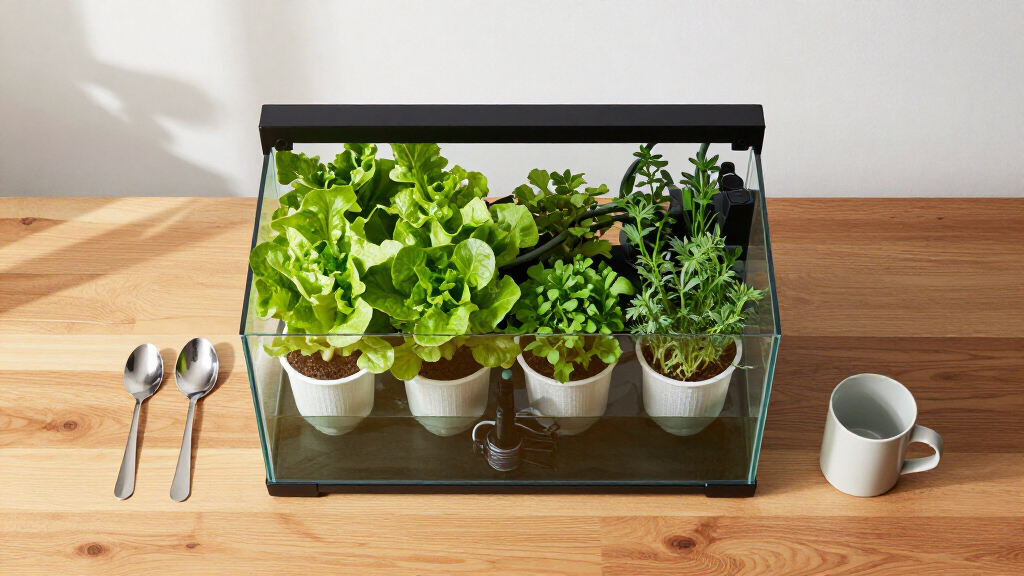
The aquaponics system was installed in a Manhattan apartment by a resident who has not disclosed their identity. Learn more about aquaponics kits for small spaces. It consists of a fish tank connected to a grow bed where vegetables and herbs are cultivated. The resident reports that the setup is fully operational, with fish thriving and plants growing successfully. The system uses a water recirculation process that filters fish waste into nutrients for the plants, which in turn purify the water for the fish, creating a sustainable cycle.
According to the resident, the project was designed to be space-efficient and suitable for indoor environments, using compact tanks and grow beds. The installation was completed in late March 2024, and the resident said they have been able to harvest herbs and leafy greens regularly. They also noted that maintaining the system requires daily monitoring but is manageable within a typical urban lifestyle.
Local experts in urban agriculture have expressed interest in the project, citing it as a potential model for more sustainable city living. However, it remains unclear how scalable such systems are for broader residential use or whether building codes and regulations permit similar setups in other apartments.
Implications for Urban Sustainability and City Living
This development underscores the potential for urban residents to adopt sustainable farming practices within their homes, reducing reliance on store-bought produce and lowering carbon footprints. If more residents follow suit, aquaponics could become a viable method for city-based food production, especially in densely populated areas where space and access to fresh food are limited. The project also highlights innovative ways to utilize limited indoor space for productive purposes, aligning with broader trends toward self-sufficiency and eco-conscious living in urban environments.
Moreover, such initiatives could influence policy discussions around building regulations, safety standards, and incentives for sustainable urban agriculture. As climate change intensifies, localized food systems like aquaponics may become increasingly important for resilient city infrastructure.
aquaponics kit for small apartments
As an affiliate, we earn on qualifying purchases.
As an affiliate, we earn on qualifying purchases.
Growing Interest in Indoor Urban Farming in NYC
Over the past few years, New York City has seen a rise in urban farming initiatives, including rooftop gardens and vertical farms. However, most projects have been community-based or commercial ventures. The recent installation of a home aquaponics system by a resident marks a shift toward individual-level sustainable practices within private residences. Prior efforts include small-scale hydroponic setups and community-supported agriculture programs, but indoor aquaponics remains relatively rare in NYC apartments.
While aquaponics has been gaining popularity globally as a sustainable farming method, its adoption in urban apartments faces challenges such as space constraints, regulatory hurdles, and technical complexity. This project appears to overcome some of these barriers through a compact, indoor design, though detailed regulatory compliance remains unconfirmed.
Experts note that the trend reflects a broader movement toward self-sufficiency and eco-friendly living in cities, driven by concerns over food security and climate change.
“This is an exciting demonstration of how city dwellers can incorporate sustainable food production into their daily lives. It shows promise for wider adoption, provided regulatory and technical challenges are addressed.”
— Jane Smith, urban agriculture expert
Regulatory and Scalability Challenges for Indoor Aquaponics
It is not yet clear whether NYC building codes and regulations explicitly permit indoor aquaponics systems of this kind. The resident reported no issues during installation, but broader legal and safety considerations remain unverified. Additionally, questions about the scalability of such systems for other apartment residents, including cost, maintenance, and space requirements, are still open. Experts caution that widespread adoption may face hurdles related to regulation, technical complexity, and initial investment.
Monitoring, Regulation, and Broader Adoption Prospects
Further monitoring of this system’s operation will provide insights into its long-term viability and safety. Local authorities may review the project to determine if regulations need updates to accommodate indoor aquaponics in residential buildings. Meanwhile, other residents and urban farmers may experiment with similar setups, potentially leading to community-driven initiatives. Researchers and policymakers will likely observe this case as a potential model for sustainable urban living, possibly influencing future regulations and incentives.
Key Questions
Is indoor aquaponics legal in NYC apartments?
Legal status is currently unclear. The resident reported no issues during installation, but formal regulations or permits have not been publicly confirmed. Residents interested should consult local building codes and safety standards before attempting similar setups.
How much space does an indoor aquaponics system require?
The installed system in this case occupied a small corner of the apartment, roughly the size of a standard bookshelf. It is designed to be space-efficient for urban apartments, but size requirements vary based on the scale of the system.
What are the main challenges of maintaining an indoor aquaponics system?
Maintaining water quality, monitoring fish health, and ensuring plant growth are key challenges. Daily checks and periodic system adjustments are necessary, though the resident reports it is manageable with routine care.
Could this system be scaled for larger or multiple homes?
Scalability depends on space, cost, and local regulations. While small systems are feasible for individual apartments, larger setups would require more resources and regulatory approval, which are still uncertain.
Source: hn
Halloween Picks
halloween
As an affiliate, we earn on qualifying purchases.