
TL;DR
In 2018, photographs and studies revealed the aesthetic and functional design of Soviet control rooms. These spaces reflect Cold War-era technology and ideology, offering insights into Soviet engineering and control systems. The story explores their historical and cultural importance.
Photographs and detailed analyses published in 2018 showcased the distinctive design and layout of Soviet control rooms, revealing a blend of functionality and Cold War-era aesthetics. These spaces, once central to Soviet military and technological operations, exemplify the era’s engineering and ideological priorities, making them a subject of renewed interest among historians and enthusiasts.
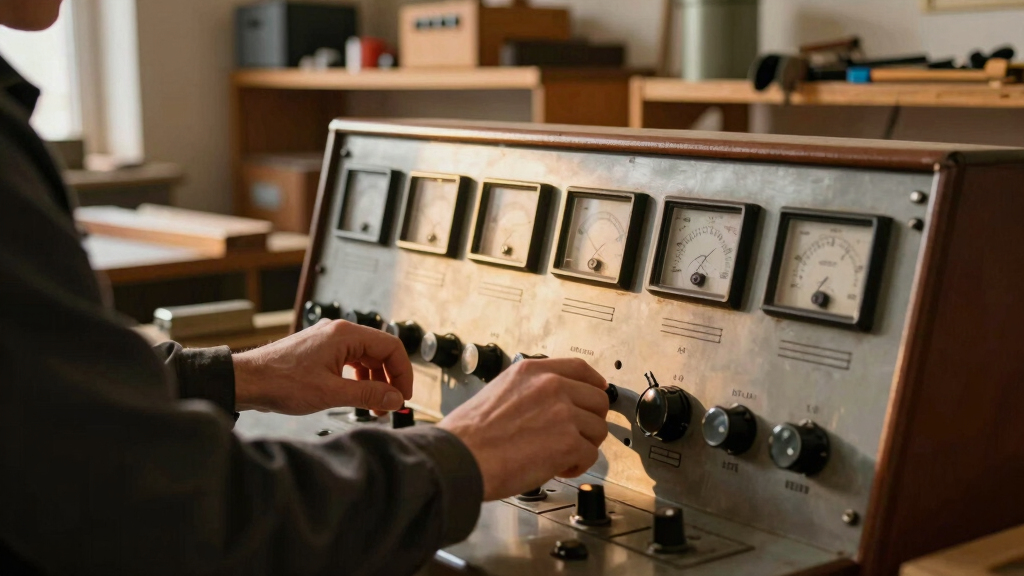
Several photographs from 2018 depict Soviet control rooms characterized by rows of vintage consoles, analog gauges, and a utilitarian yet visually striking interior design. Experts note that these control rooms were used for missile command, nuclear monitoring, and telecommunications, reflecting the technological capabilities of the USSR during the Cold War. The design emphasized durability, simplicity, and a sense of authority, with many consoles featuring Cyrillic labels and analog displays.
Researchers and historians have highlighted that these control rooms were not only technological hubs but also symbols of Soviet power and secrecy. The aesthetic choices, including the color schemes and layout, were intended to project strength and order. The photographs from 2018 have sparked renewed interest in preserving these sites as cultural and historical artifacts, with some being restored or documented for future study.
Cultural and Historical Importance of Soviet Control Rooms
The preservation and study of Soviet control rooms provide valuable insights into Cold War technology, Soviet engineering, and political history. These spaces symbolize a period of intense geopolitical rivalry and technological innovation. Their aesthetic and functional design reflect Soviet priorities of durability, secrecy, and authority, making them important cultural artifacts. Understanding these control rooms helps contextualize Soviet military capabilities and ideological messaging during the Cold War era.

NUOTIE Tupolev Tu-160 Blackjack Bomber 1/144 Diecast Metal Aircraft Model Kits Soviet Union Military Fighter Pre-Build Replica Airplane Model with Stand for Collections or Gift
- Realistic Tupolev Tu-160 Model: Detailed replica of strategic bomber
- Durable Industrial Baking Paint: Resists fading and cracking
- Highly Detailed Craftsmanship: Accurate wings, engines, and logos
As an affiliate, we earn on qualifying purchases.
As an affiliate, we earn on qualifying purchases.
Soviet Control Rooms: From Cold War to Cultural Icons
During the Cold War, the Soviet Union built numerous control rooms to oversee missile launches, nuclear monitoring, and communications. Many of these facilities were designed with a focus on functionality and resilience, often located in remote or secure sites. Over time, some of these control rooms were decommissioned, abandoned, or repurposed. In 2018, renewed interest emerged as photographers and historians documented their architecture and design, highlighting their significance beyond their original military purpose.
“These control rooms are a window into Soviet technological prowess and ideological messaging. Their design was meant to impress and intimidate, reflecting the USSR’s emphasis on strength and resilience.”
— Dr. Ivan Petrov, Cold War historian
Unresolved Questions About the Future of Soviet Control Rooms
It is not yet clear how many of these control rooms remain intact or accessible today. Some sites are preserved as museums, while others are abandoned or have been repurposed. The extent of ongoing preservation efforts and their future are still uncertain, as is the potential for these sites to be restored or studied further.
Next Steps for Preservation and Study of Soviet Control Rooms
Researchers and preservationists plan to continue documenting remaining control rooms, with some advocating for their designation as cultural heritage sites. Future efforts may include restoring key sites, creating virtual reconstructions, or integrating them into Cold War history exhibitions. Further scholarly research is expected to deepen understanding of their technological and cultural significance.
Key Questions
Why are Soviet control rooms considered culturally significant?
They symbolize Cold War-era technology, Soviet engineering, and political ideology, serving as physical representations of a tense geopolitical period.
Are any Soviet control rooms open to the public today?
Some have been preserved as museums or sites of historical interest, but many remain inaccessible or are in disrepair.
What makes the design of these control rooms unique?
Their utilitarian layout, analog gauges, Cyrillic labels, and durable materials reflect Soviet priorities of resilience and authority during the Cold War.
What efforts are underway to preserve these sites?
Photographers, historians, and preservationists are documenting remaining control rooms, advocating for their preservation, and exploring ways to protect them as cultural heritage.
Source: hn