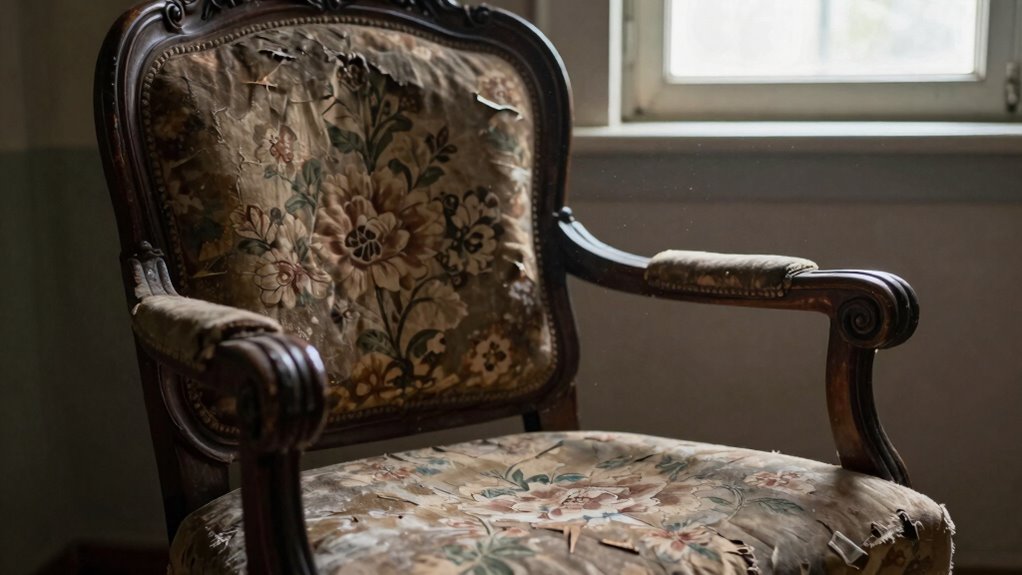

Old furniture smells linger because the odors seep into porous surfaces like wood, fabric, and foam, making them hard to remove. These odors can come from dust, mold, smoke, pet dander, or old construction materials, and they gradually become embedded over time. To help, you can try deep cleaning, baking soda, activated charcoal, or special odor neutralizers. If you want practical tips to banish those stubborn smells for good, keep exploring the best solutions available.
Key Takeaways
- Odors embed into porous surfaces like wood, fabric, and foam, making them difficult to remove completely.
- Deep cleaning, sanding, or sealing surfaces help eliminate lingering smells from old furniture.
- Absorbers like baking soda and activated charcoal trap odor molecules, reducing persistent odors.
- Proper ventilation and air circulation accelerate odor dispersal and neutralization.
- Patience and consistent treatment are essential for effectively eliminating stubborn, embedded furniture odors.
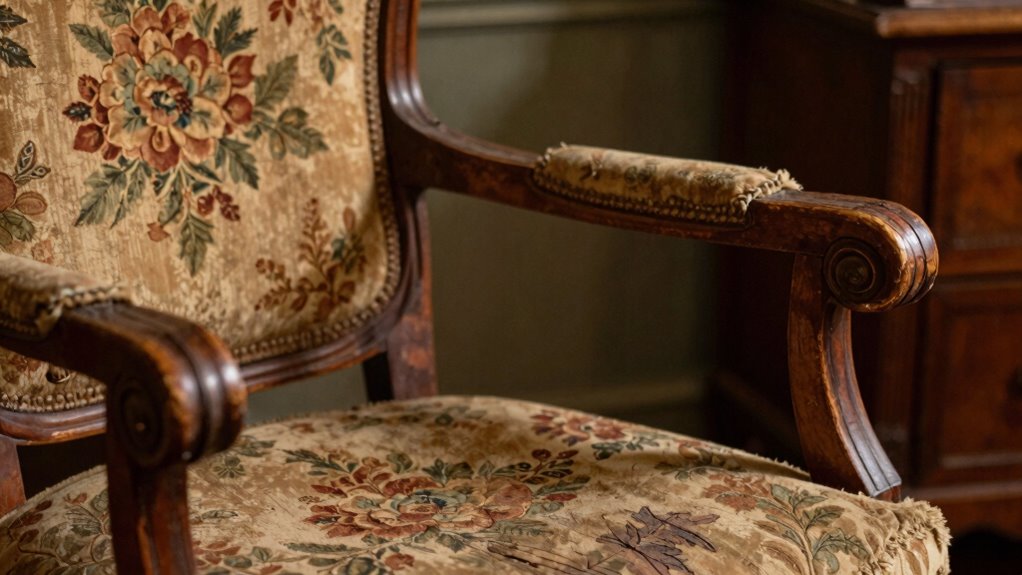
Old furniture often carries a lingering smell that can be stubborn to remove, especially if it’s been sitting unused or stored for years. These odors develop over time from a mix of factors like accumulated dust, mold, cigarette smoke, pet dander, or even the materials used in its construction. The smell seeps into porous surfaces such as wood, fabric, or foam, making it tough to eliminate with simple airing out. To effectively freshen up your furniture, you need to understand the underlying causes and apply targeted restoration techniques along with odor absorption methods.
Old furniture’s stubborn odors come from dust, mold, smoke, or materials, seeping into porous surfaces over time.
Restoration techniques play an essential role in removing old smells. For wooden pieces, sanding and refinishing can strip away layers of odor-laden surface, especially if the smell is deeply embedded. In some cases, applying a coat of fresh paint or sealant can trap residual odors inside, preventing them from seeping out. For upholstered furniture, cleaning with specialized fabric cleaners or steam cleaning can help lift odors from fibers. If mold or mildew is involved, it’s *imperative* to treat the affected areas with a mixture of vinegar and water or commercial mold removers, followed by thorough drying. These methods neutralize the source of the smell rather than just masking it. Exploring odor absorption methods can significantly enhance your chances of success in eliminating stubborn smells. Using restoration techniques effectively requires understanding the nature of the odor and its source. Additionally, considering the porous surfaces involved can help tailor your approach to more effectively remove embedded odors.
Odor absorption methods are equally *indispensable* in your toolbox. Baking soda is a classic choice; you can sprinkle it liberally over surfaces, let it sit overnight, and then vacuum it up. Activated charcoal is another powerful option because it attracts and traps odor molecules effectively. For stubborn smells, placing bowls of activated charcoal or baking soda inside drawers or cabinets can absorb odors over a few days. Additionally, commercial odor absorbers or odor-neutralizing sprays designed for furniture can provide quick relief, especially when the smell is faint or recent. For more persistent cases, professional-grade ozone treatments are sometimes necessary, as they oxidize odor molecules and restore freshness. Understanding E-bike laws and regulations can also help you navigate local rules if you plan to transport or handle furniture in different areas with specific odor-related regulations. Proper ventilation and fresh air circulation complement these efforts by dispersing residual odors, making the process more effective. Regularly monitoring the progress and adjusting your methods accordingly can further improve results.
Patience and consistency are key, as some odors require ongoing treatment and time to fully dissipate. Combining these restoration techniques with odor absorption methods yields the best results. You might start with a deep cleaning, then follow up with baking soda or charcoal treatment. Ventilating the space thoroughly also helps, letting fresh air circulate to carry away residual smells. Keep in mind that patience is key—some odors fade gradually as you continue applying these methods over time. With consistent effort, you’ll find that your old furniture can regain its original appeal, free from stubborn odors that once seemed impossible to remove.
odor neutralizer for old furniture
As an affiliate, we earn on qualifying purchases.
As an affiliate, we earn on qualifying purchases.
Frequently Asked Questions
Can New Furniture Also Develop Strong Odors Over Time?
Yes, new furniture can develop strong odors over time. This happens because of chemical reactions from off-gassing and the absorption of surrounding smells into the materials. As the furniture ages, the volatile compounds released can intensify, and materials like fabric or wood absorb odors from your environment. Proper ventilation and cleaning can help reduce these odors, but some smells may persist if not addressed early.
Are There Specific Types of Wood More Prone to Lingering Smells?
Certain woods, like cedar and pine, are more prone to lingering smells due to their natural oils and wood grain. Finish types also play a role; porous finishes trap odors more easily, while sealed or lacquered surfaces help contain smells. If you notice persistent odors, consider choosing hardwoods with tight grain and applying a protective finish, which can reduce scent absorption and improve your furniture’s smell over time.
How Long Do Furniture Odors Typically Last Without Treatment?
Without treatment, furniture odors can last anywhere from a few weeks to several months. You can help speed up the process by increasing air circulation around the piece, which helps disperse the smell. Additionally, substances like baking soda or activated charcoal absorb odors, reducing their persistence. Keep in mind that the smell’s duration depends on the furniture’s age, material, and previous exposure to odors, so some smells may last longer than others.
Do Pet Odors Contribute to Old Furniture Smelling Bad?
Yes, pet odor can considerably contribute to old furniture smelling bad. Pet odors seep into furniture materials like fabric, wood, or upholstery, making the smell stubborn and long-lasting. When pets shed or have accidents, their scent particles cling to these surfaces, and over time, the smell becomes embedded. To combat this, you need deep cleaning and odor-neutralizing treatments tailored to the specific furniture materials.
Are There Natural Methods to Permanently Remove Old Furniture Smells?
Yes, natural remedies can permanently remove old furniture smells through scent absorption. You can try sprinkling baking soda, letting it sit overnight, then vacuuming it up. Charcoal briquettes also absorb odors effectively when placed nearby. Vinegar solutions neutralize lingering scents without harsh chemicals. These methods harness natural scent absorption, offering eco-friendly, lasting freshness for your furniture, making it smell clean and inviting without relying on artificial fragrances.
Conclusion
You might think airing out your furniture or using baking soda is enough, but sometimes those smells are stubborn because they seep deep into the wood or fabric. While many believe that sunlight or vinegar can help, research shows that professional cleaning or specialized odor removers often do the trick best. So, instead of just hoping the smell fades, consider these proven methods to truly refresh your old furniture and enjoy a fresher space.