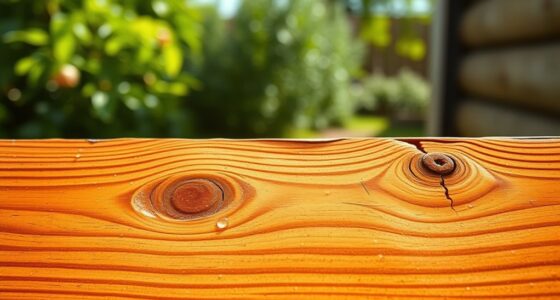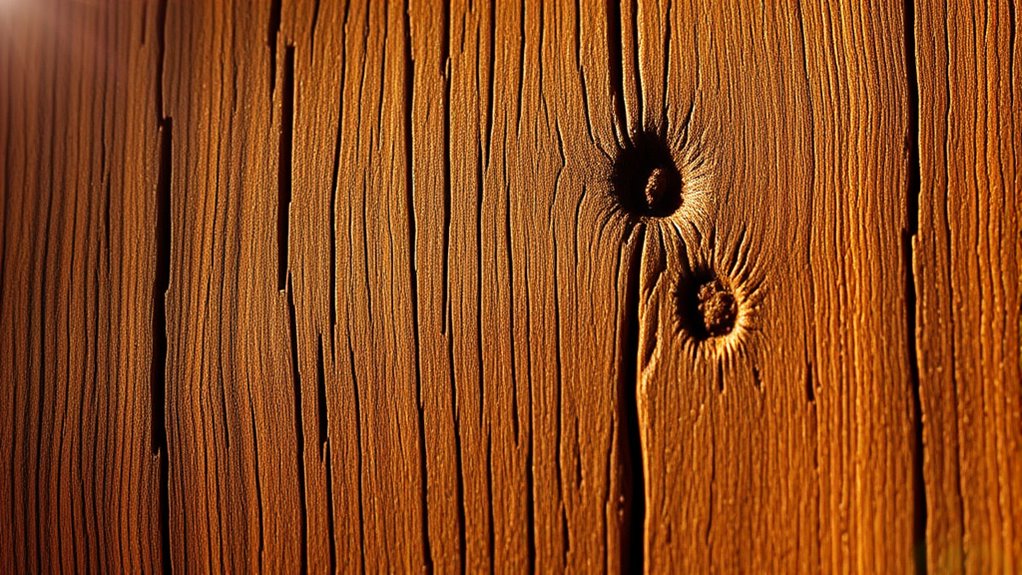

When working with oak, you control how rays, filling, and tannins influence your product. Filling techniques, like using new or seasoned barrels, affect tannin extraction and flavor development. Managing barrel size and filling levels also impacts oxygen transfer and overall oak contribution. To fine-tune tannins, you can adjust toast levels and aging duration. Paying attention to these factors helps you craft a balanced, complex end product—there’s more to discover in refining your process.

Get business pricing on tools and workshop supplies
- Business-only prices and quantity discounts
- Tax-exempt purchasing
- Multiple users, one account, clear invoices
Key Takeaways
- Rays (or char levels) influence flavor extraction and tannin release during barrel toasting, affecting oak contribution.
- Proper barrel filling minimizes oxygen exposure, controlling tannin extraction and preventing excessive oak influence.
- Tannins from oak impact mouthfeel, stability, and aging potential; balancing extraction is essential for harmony.
- Adjusting toasting levels and aging duration helps manage tannin levels and oak character in the final product.
- Regular tasting and environmental control optimize oak influence, preventing over-extraction and ensuring desired flavor development.
Working with oak can be highly rewarding, but it requires patience and attention to detail. When you’re involved in barrel aging, understanding the oak influence becomes essential. Oak isn’t just a container; it actively shapes the character of your product. As your liquid interacts with the wood, it absorbs compounds that influence aroma, flavor, and texture. The porous nature of oak allows for gradual oxygen transfer, which helps develop complexity over time. The degree of toasting and the type of oak—whether American, French, or Hungarian—also impact the final profile. You need to select your wood carefully, considering how each type will contribute to the desired outcome. The oak influence can impart vanilla, spice, or toast notes, but it can also add tannins that lend structure and aging potential. Recognizing these nuances allows you to tailor your barrel aging process to achieve specific results.
When working with oak, you’ll notice that it contributes tannins that can affect mouthfeel and stability. These tannins can be extracted during barrel aging, especially if you’re using new or heavily toasted barrels. Managing extraction is key—you don’t want an overwhelming bitterness, but rather a balanced integration that enhances complexity. To control this, you might adjust the aging time or choose barrels with different toast levels. The amount of oak influence varies depending on factors like the size of the barrel, the duration of aging, and the initial quality of the wood. Smaller barrels have more surface area relative to volume, leading to a faster and more intense oak influence. Conversely, longer aging in larger barrels results in a more subtle oak character. Monitoring these variables helps you fine-tune the interaction between your liquid and the oak, ensuring the tannins and flavors develop harmoniously.
Another aspect to consider is how to manage the influence of oak during barrel aging. Regular tasting is essential; it allows you to track how the oak’s tannins and other compounds are integrating. If the oak influence becomes too dominant, you might consider blending with other batches or reducing aging time. Conversely, if more oak character is desired, you can extend aging or use new barrels. Temperature fluctuations also play a role, as they accelerate the extraction process and influence how tannins and other oak compounds are released. By keeping a close eye on these factors, you can harness the full potential of oak in your aging process, creating a balanced and complex final product that embodies the desired oak influence.
As an affiliate, we earn on qualifying purchases.
Frequently Asked Questions
How Does Oak Age Affect Its Flavor Profile?
Oak aging enhances your wine’s flavor profile by developing its oak aroma and tannin structure. As the wine spends time in oak, you’ll notice more complex scents like vanilla, toast, and spice. Simultaneously, the tannins soften and integrate, creating a smoother, more balanced taste. This process allows the wine to gain depth, richness, and character, making each sip more enjoyable and layered with subtle oak notes.
Can Oak Be Used for Non-Wine Projects?
Yes, you can definitely use oak for non-wine projects. Its versatile qualities make it perfect for alternative uses like crafting furniture, decorative items, or even custom kitchenware. You’ll find that oak’s durability and attractive grain add a unique touch to your projects. Whether you’re making rustic signs, jewelry boxes, or sculptures, incorporating oak allows you to explore creative avenues beyond traditional wine aging, giving your craft projects a rich, natural aesthetic.
What Are the Best Oak Types for Specific Wine Styles?
You should choose oak types based on your wine style. For red wines, opt for French oak, which adds elegance and subtle tannins, especially with medium or light toast oak barrels. For bold whites or robust reds, American oak provides more pronounced vanilla and coconut notes. Use oak barrels with varying toast levels to influence flavor extraction, ensuring the oak’s influence complements your wine’s character and enhances its complexity.
How Do Environmental Factors Influence Oak Tannin Levels?
Environmental factors like temperature, humidity, and vineyard location markedly influence oak tannin levels. Warmer climates promote quicker tannin extraction, while cooler conditions slow it down, affecting your wine’s structure. By choosing sustainably sourced oak and employing careful tannin extraction methods, you can control tannin integration. These practices guarantee your wine develops balanced tannins, highlighting the importance of understanding environmental impacts and sustainable oak use in winemaking.
What Are Common Mistakes When Working With Oak?
You should avoid common mistakes like choosing the wrong oak toast level or barrel selection, which can overpower the wine’s natural flavors. Be careful not to overuse new oak, as it can introduce excessive tannins or bitterness. Also, rushing the aging process or not monitoring barrel conditions can lead to inconsistent results. Always taste frequently and adjust your approach to guarantee the oak complements, rather than dominates, your wine.
Conclusion
Just like an artist wields a brush or a poet shapes words, working with oak demands patience and finesse. Embrace the dance of rays, filling, and tannins, knowing each step adds depth and character—much like a symphony building to its crescendo. With careful attention, you’ll craft wines that sing with complexity and grace, echoing the timeless elegance of a master’s touch. In oak, as in life, balance is the key to harmony.
Fall Picks
fall essentials
As an affiliate, we earn on qualifying purchases.