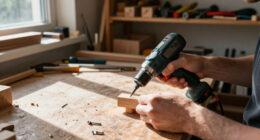
The vise you choose shapes your bench feel and impacts your workflow considerably. A sturdy metal vise provides better grip and stability than plastic options, making your projects easier and more enjoyable. Proper clamping pressure not only protects delicate materials but also boosts your efficiency. Plus, an ergonomic setup keeps fatigue at bay. By making informed decisions about your vise and workspace, you can elevate your crafting experience. Discover how to enhance your projects even further.

Get business pricing on tools and workshop supplies
- Business-only prices and quantity discounts
- Tax-exempt purchasing
- Multiple users, one account, clear invoices
Key Takeaways
- The choice of vise material, especially metal, significantly enhances grip strength and overall bench feel during use.
- Proper clamping pressure is essential for effective support, preventing damage to materials and improving efficiency.
- Wider jaws distribute pressure evenly, optimizing grip and reducing the effort needed for secure clamping.
- An ergonomically designed workspace minimizes fatigue, directly influencing the comfort and effectiveness of the bench feel.
- Investing in a quality vise aligns with project goals, enhancing satisfaction and improving overall project quality.

When you’re maneuvering through the complexities of the Vise Decision, understanding bench feel can make all the difference. You might not realize it, but the way a bench feels during use directly impacts your grip strength and overall performance. Choosing the right vise isn’t just about the brand or the price; it’s also about how it interacts with the materials and your workspace. Proper workshop equipment can enhance your overall setup and improve your results. Grip strength plays a vital role when you’re working on various projects. If your vise doesn’t provide adequate support, you may find yourself struggling to maintain control. A bench that feels solid allows you to apply consistent pressure without worrying about slippage or instability. If you’ve ever had a project go awry due to a weak grip, you know how frustrating that can be. That’s why it’s important to choose a vise that suits your needs, taking into account how it feels in your hands. Additionally, considering the material choice can significantly influence how your bench feels during use and how well your tools perform. Material choice is another significant factor influencing bench feel. You want a vise made from durable materials that can withstand the rigors of your projects. Metal vises often offer a sturdier feel compared to plastic or composite options, ensuring that you won’t experience any flexing or bending during use. This stability contributes to a more confident grip, allowing you to focus on your work without second-guessing the equipment. Understanding material properties can help you select a vise that maintains its integrity over time and through demanding tasks. Moreover, paying attention to clamping pressure can help you optimize how your vise supports your workflow and prevents damage to delicate materials. When you’re selecting your vise, think about how its design impacts your bench feel. A wider jaw can distribute pressure more evenly, enhancing your grip strength and making it easier to hold objects securely. Conversely, a narrow jaw may compromise stability, forcing you to exert more effort to keep your materials in place. You want to minimize any frustration, streamlining your workflow and amplifying your productivity. Additionally, ensuring your workspace is ergonomically optimized can help prevent fatigue and improve overall efficiency during use. The relationship between your vise and bench feel can’t be overstated. It’s not merely about clamping down on materials; it’s about building a connection that supports your tasks. Whether you’re working on woodworking, metalworking, or any other craft, the right vise will elevate your experience. You’ll find that when your grip strength is optimized and the material choice aligns with your goals, every project becomes less of a chore and more of a satisfying accomplishment. In the end, investing time in the Vise Decision shapes not only your bench feel but the quality of your work. Make your choice wisely, and watch how it transforms your projects.
Products Worth Considering

Bose S1 Pro+ Portable PA Speaker

Samsung 42-Inch Class OLED S90F 4K Smart TV (2025)

Levoit Vital 100S-P Air Purifier with Washable Pre-Filter
As an affiliate, we earn on qualifying purchases.
Frequently Asked Questions
What Materials Are Best for a Bench Vise?
For a bench vise, cast iron and steel construction are your best bets. Cast iron offers excellent durability and grip strength, while steel enhances corrosion resistance. Consider the jaw height to guarantee it suits your projects, as this affects clamping force. A combination of these materials will give you a vise that withstands heavy use and provides reliable performance, making your work easier and more efficient.
How Often Should a Bench Vise Be Lubricated?
If you think your bench vise can run on hopes and dreams, think again! You should lubricate it every few months to keep it happy and functional. Regular vise maintenance isn’t just for the overly meticulous; it prevents rust and guarantees smooth operation. So, grab that grease and give your vise the spa treatment it deserves. After all, a well-lubricated vise is like a happy worker—productive and ready for action!
Can a Bench Vise Be Repaired if Damaged?
Yes, you can repair a damaged bench vise using various repair techniques. Start by evaluating the damage; common issues include bent jaws or a stuck screw. For minor bends, you can carefully straighten the metal. If the screw is jammed, clean and lubricate it for smoother operation. Regular vise maintenance, like lubrication and cleaning, can prevent future damage. With some effort, you’ll have your vise working like new again!
What Is the Ideal Size for a Bench Vise?
Choosing the right bench vise is like picking the perfect tool for a craftsman’s kit. Ideally, you want a vise with dimensions that suit your projects—usually around 4 to 6 inches wide for most tasks. An ergonomic design guarantees comfort and efficiency, allowing you to work longer without strain. Think about your workspace and the materials you handle to find the best fit. A well-sized vise can make all the difference in your work.
How Do I Choose the Right Vise for My Projects?
To choose the right vise for your projects, consider key vise features like jaw types and size. If you’re working with delicate materials, opt for soft jaws; for heavy-duty tasks, look for rugged steel jaws. Think about the jaw width and opening capacity to match your project needs. Also, evaluate the vise’s mounting options and guarantee it fits your workspace. A well-chosen vise can make all the difference in your projects!
Conclusion
In the end, the vise you choose is the heartbeat of your bench, pulsing energy into every project. It’s not just a tool; it’s your steadfast companion, shaping the rhythm of your work. With the right vise, your bench transforms from mere wood and metal into a sanctuary of creativity, where ideas take flight and craftsmanship flourishes. So, as you forge ahead, remember: your vise isn’t just a decision; it’s the cornerstone of your creative journey.