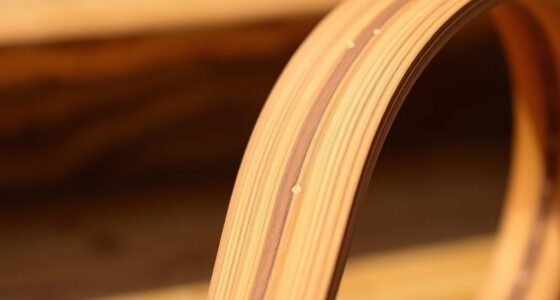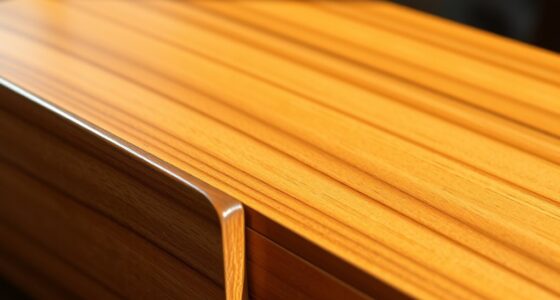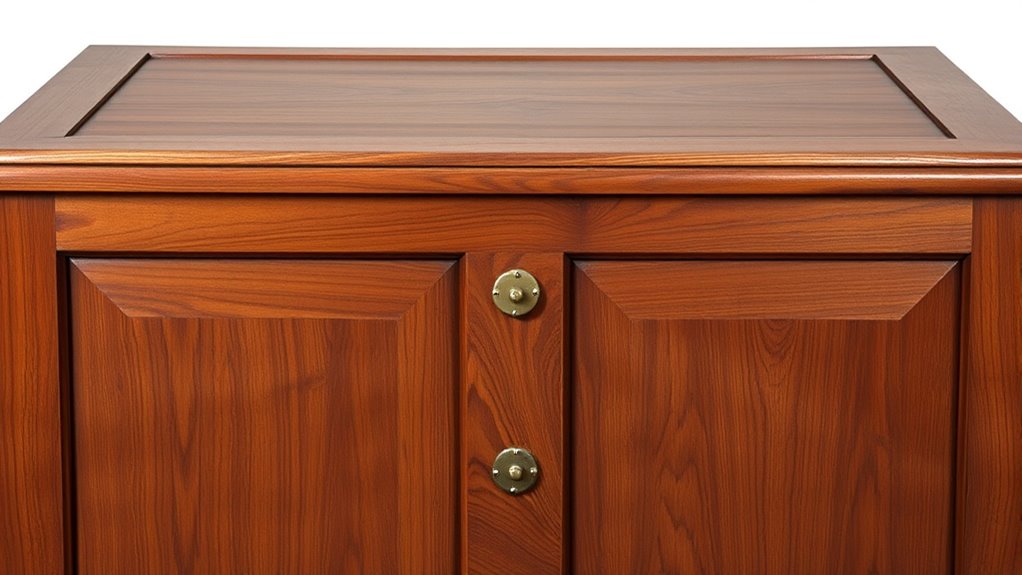

To build a traditional blanket chest with frame-and-panel construction, select quality hardwoods like oak or cherry for strength and beauty. Cut your panels and rails precisely, creating grooves with a router or saw to fit the panels into the frame, allowing for wood expansion. Assemble using traditional joints like mortise-and-tenon or dowels, then sand and finish with stain or oil for durability. If you continue, you’ll discover detailed steps to craft a sturdy, timeless piece.
Key Takeaways
- Select quality hardwoods like oak, cherry, or maple for durability and aesthetic appeal.
- Cut panels and rails precisely, creating grooves for secure fitting and expansion allowance.
- Assemble the frame using traditional joints such as mortise-and-tenon or dowels for strength.
- Insert panels into grooves, then glue and clamp to ensure a tight, stable fit.
- Finish with sanding, staining, or sealing to enhance durability and achieve a historical, polished look.
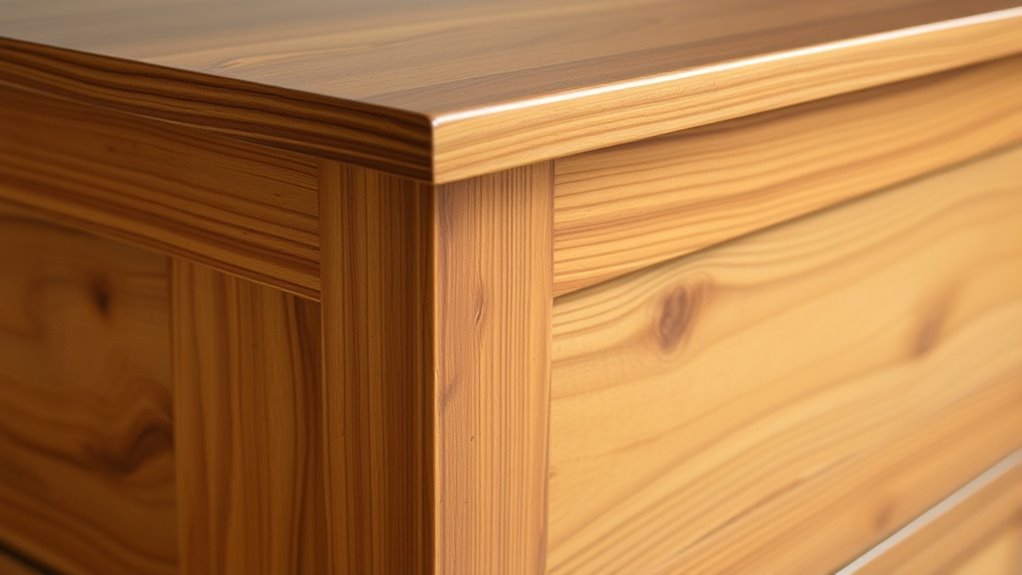
Are you ready to craft a functional and stylish blanket chest? If so, embracing traditional frame-and-panel construction is a fantastic way to guarantee both durability and timeless appeal. This woodworking technique has been used for centuries, especially in historical blanket chests, which were built to last and often held treasured belongings. By understanding these classic methods, you can create a piece that not only functions well but also pays homage to woodworking craftsmanship of the past.
The first step involves selecting quality hardwoods, such as oak, cherry, or maple, which provide strength and a beautiful finish. When you start, you’ll cut the panels and rails to precise dimensions, ensuring they fit together seamlessly. The frame-and-panel technique relies on allowing the panels to expand and contract with seasonal changes, preventing warping or cracking. To achieve this, you’ll create grooves along the edges of the stiles and rails using a router or table saw. These grooves will hold the panels securely while still allowing for movement, a hallmark of traditional construction found in historical blanket chests.
Next, you’ll prepare the panels. Usually, these are thinner pieces of wood that fit into the grooves of the frame. You want to make sure these panels are slightly smaller than the grooves to accommodate wood movement. You can choose to leave them solid or include a decorative veneer for added visual interest. Once everything is cut, you’ll assemble the frame by inserting the panels into the grooves, using glue and clamps to hold everything securely as the glue dries.
The joints are essential in this build. Historically, blanket chests often used mortise-and-tenon or dowel joints for added strength, especially in the corners. You might opt for mortise-and-tenon joints if you want an authentic look, or use dowels for easier assembly. Both methods provide sturdy connections that can handle the weight of stored blankets and other items.
Finally, you’ll finish the blanket chest with sanding, staining, and sealing. A smooth surface not only looks appealing but also protects the wood from moisture and wear. Applying a traditional finish, like shellac or oil-based stain, will give your piece a rich, historical feel. With patience and attention to detail, you’ll end up with a beautifully crafted blanket chest that echoes the craftsmanship of historical woodworking techniques, ready to serve as a sturdy storage piece for generations to come.

Barrington Hardwoods Domestic Variety Pack 5 Walnut, 5 Maple and 5 Cherry Boards – 3/4" x 2" (15Pcs) (3/4" x 2" x 12")
💯 Included are 5 Black Walnut 5 Cherry and 5 Hard Maple 3/4" x 2" x 12"
As an affiliate, we earn on qualifying purchases.
As an affiliate, we earn on qualifying purchases.
Frequently Asked Questions
What Types of Wood Are Best for This Project?
When choosing wood for your blanket chest, consider wood grain patterns that add visual interest and complement your decor. Hardwoods like oak, cherry, or maple are excellent, offering durability and attractive grain. You can also explore wood treatment options, such as staining or sealing, to enhance appearance and protect the wood. Select a wood that matches your style and withstands daily use, ensuring your project remains beautiful and functional over time.
How Long Does the Entire Build Process Take?
Building a blanket chest typically takes around 20 to 40 hours, depending on your experience and project complexity. Your wood selection influences the time, as some woods are easier to work with than others. Allow extra time for finishing options like staining or painting. Planning ahead and following proper steps can help you stay on schedule, ensuring a smooth build process from start to finish.
What Tools Are Essential for Frame-And-Panel Construction?
You’d think a simple project needs only a few tools, but for frame-and-panel construction, you’ll want a saw, chisel, and square to master joinery techniques. A router helps refine panels, while clamps ensure perfect fits. Don’t forget sanders for finishing options, giving your blanket chest a polished look. Ironically, these tools turn a seemingly straightforward build into a precise craft, making your creation both functional and beautiful.
How Do I Ensure the Chest Is Weather-Resistant?
To make certain your chest is weather-resistant, focus on outdoor finishing and weatherproofing techniques. Start by applying a high-quality outdoor sealant or paint designed for exterior wood. Use a water-resistant primer before finishing coats. Seal all joints and edges, and consider adding a waterproof topcoat or oil-based finish for extra protection. Regular maintenance, like reapplying finishes and checking for damage, keeps your chest weatherproof and durable over time.
Can This Design Be Customized for Different Sizes?
Think of this design as a flexible blueprint, ready to adapt to your needs. You can customize the size options and adjust dimensions easily, turning your vision into reality. Whether you need a smaller or larger chest, the traditional frame-and-panel construction allows for modifications. Just communicate your desired measurements, and you’ll get a tailored piece that fits your space perfectly, like a glove designed just for you.

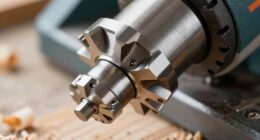
Junreox 2PCS Tongue and Groove Router Bit Set, 3rd Gen. 1/4 Shank Router Bits for 3/4" Stock, 1/2" Cutting Depth, Adjustable 3 Teeth Shaker Cabinet Door Router Bits for Woodworking, Milling, Cutting
【PREMIUM QUALITY】Made from premium alloy steel with precision-ground blades, this tongue and groove router bit delivers smooth, burr-free…
As an affiliate, we earn on qualifying purchases.
As an affiliate, we earn on qualifying purchases.
Conclusion
Congratulations, you’ve crafted a blanket chest so stunning and sturdy, it could withstand the test of time and a horde of curious grandchildren! Your mastery of traditional frame-and-panel construction elevates woodworking to an art form, transforming simple materials into a timeless treasure. This chest isn’t just a storage piece; it’s a monument to patience, skill, and craftsmanship that will dominate your space and inspire awe for generations. Truly, you’ve built more than a blanket chest—you’ve crafted a legacy.

Mortising Machine, Tenon Tools Mortising Attachment for Drill Press and Woodworking Mortise, Bench Drill Locator Set for Mortiser Circles/Square Hole Chisel Drilling Machine Mortise Machine.
Mortising Attachment for Drill Press Set include:locator,press block,side positioning rod,fixed seat and other accessories,also comes with 4 kinds…
As an affiliate, we earn on qualifying purchases.
As an affiliate, we earn on qualifying purchases.
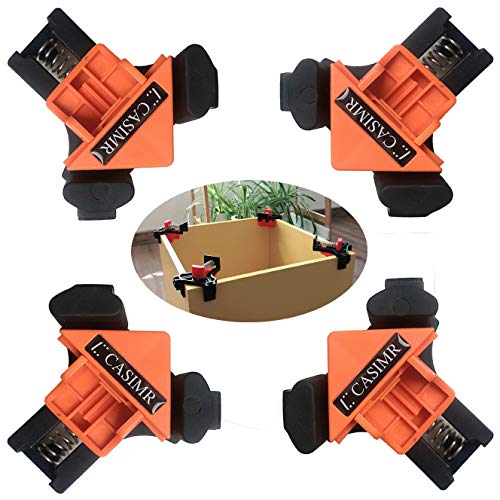
C CASIMR 90 Degree Corner Clamp, 4 Pack Adjustable Single Handle Spring Loaded Right Angle Clamp,Swing Woodworking Clip Clamp Tool
ADJUSTABLE SIZE – Fit boards with a thickness of 3/16" – 3/4" for 90 degree corner and T-joints,…
As an affiliate, we earn on qualifying purchases.
As an affiliate, we earn on qualifying purchases.