Working with cedar outdoors offers excellent durability thanks to its natural resistance to insects, pests, and weathering. To maximize its longevity, apply protective stains that boost its water resistance and enhance its rich tones. Regular maintenance, like cleaning and sealing, helps prevent damage and keeps cedar looking vibrant year after year. If you want to learn more about how to protect and care for your cedar projects, keep exploring the best techniques and products available.
Key Takeaways
- Cedar’s natural oils and compounds provide inherent resistance to pests and decay, enhancing outdoor durability.
- Regular staining with appropriate sealers or stains protects cedar from moisture, UV rays, and temperature fluctuations.
- Choosing semi-transparent or solid stains offers added protection and prolongs the lifespan of outdoor cedar projects.
- Proper maintenance, including cleaning and reapplication of protective finishes, preserves cedar’s appearance and structural integrity.
- Using insect-repelling sealers or additives can further improve cedar’s resistance to pests and extend outdoor durability.

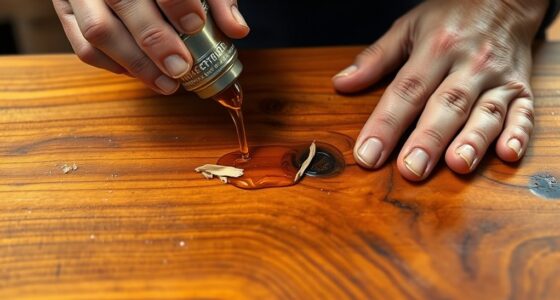
Have you ever wondered why cedar has become a popular choice for woodworking and construction? Its natural beauty, durability, and versatility make it a favorite among builders and DIY enthusiasts alike. When working with cedar outdoors, understanding how to enhance its appearance and longevity is essential. One key aspect is cedar staining. Applying a stain not only brings out its rich, warm tones but also provides an extra layer of protection against the elements. Whether you prefer transparent, semi-transparent, or solid stains, choosing the right product is crucial. A good cedar stain penetrates the wood fibers, helping to preserve the wood’s natural character while shielding it from moisture, UV rays, and temperature fluctuations. Regular staining can significantly extend the lifespan of your cedar projects, keeping them looking fresh and vibrant for years. Using the proper stain formulations tailored for cedar can further enhance durability and appearance.
Another vital benefit of cedar is its inherent insect resistance. Unlike many other woods, cedar contains natural oils and compounds that deter pests such as termites and wood-boring insects. This insect resistance makes cedar an excellent choice for outdoor furniture, fencing, and siding, where exposure to pests is a constant concern. However, don’t assume that cedar is completely immune to insect damage; proper maintenance and treatment can enhance its resistance even further. Applying insect-repelling sealers or stains with insect-repellent additives can provide peace of mind, especially in areas prone to pest activity. Additionally, keeping your cedar surfaces clean and free of debris helps prevent insects from settling in or causing damage.
Frequently Asked Questions
How Long Does Cedar Typically Last Outdoors?
Cedar typically lasts 15 to 20 years outdoors if you maintain it properly. Its natural weather resistance helps it withstand rain, snow, and sun, but over time, you might notice some color fading. To extend its lifespan, regularly seal or stain your cedar to protect against moisture and UV rays. With proper care, your cedar can stay beautiful and durable for many years, even with exposure to outdoor elements.
What Maintenance Does Cedar Require Over Time?
Think of cedar like a garden that needs regular tending to stay vibrant. You should seal your cedar annually to protect it from moisture and pests. Applying cedar sealing helps prevent rot and decay, while pest prevention treatments keep insects at bay. Regular inspections and cleaning guarantee your cedar remains beautiful and durable for years. Just like tending a garden, consistent care keeps your outdoor cedar in top shape.
Can Cedar Resist Insect Damage Effectively?
Yes, cedar resists insect damage effectively. Its natural pest resistance comes from its unique oils, which deter insects and prevent infestations. To maximize insect prevention, you should regularly inspect your cedar and keep it clean. Applying a protective sealant can also enhance pest resistance. Overall, cedar’s natural properties make it a durable choice for outdoor projects, reducing the need for chemical treatments and ongoing insect control efforts.
How Does Cedar Compare to Other Outdoor Woods?
Imagine building a garden bench with cedar, and it ages gracefully, its warm wood grain developing a charming patina. Compared to other outdoor woods like pressure-treated pine or redwood, cedar resists rot and insects better, thanks to its natural oils. It also preserves its color longer, maintaining a beautiful appearance over time. Cedar’s durability and aesthetic appeal make it an excellent choice for outdoor projects that need lasting strength and charm.
Is Cedar Suitable for Marine or High-Moisture Environments?
Cedar is suitable for marine applications and high-moisture environments because it offers excellent high moisture resilience. You’ll find it naturally resistant to rot and decay, making it a smart choice for docks, boats, and outdoor furniture exposed to constant moisture. Its durability in these conditions guarantees your project withstands the elements over time, so you won’t need to worry about frequent replacements or repairs.
Conclusion
By working with cedar, you wield a wood that’s worth your while. Its weather-worn willpower and welcoming warmth withstand the weather, while your work will weather the test of time. So, seize the skill, stay steadfast, and savor the satisfaction of a sturdy, stylish space. Remember, the key is kindness to your cedar and consistency in your care—because with dedication, your outdoor dreams develop and endure, delivering durability you can depend on.