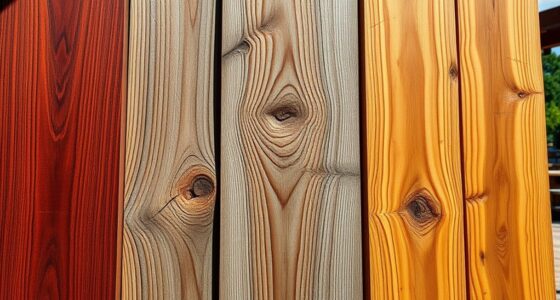

Walnut’s deep, rich color instantly elevates any space, adding a touch of sophistication and warmth. Its distinctive grain pattern, with swirls, waves, and knots, creates a unique and natural look that enhances furniture and interiors. Known for durability and resilience, walnut resists everyday wear and maintains its beauty over time. Its versatility works well in both modern and rustic styles. Keep exploring to discover even more about what makes walnut a premium choice.
Key Takeaways
- Walnut’s deep, rich hues instantly enhance the visual appeal of furniture and interiors.
- Its unique grain patterns add natural artistry and character to any piece or space.
- The luxurious color and grain make walnut a premium choice for upscale designs.
- Walnut’s durability ensures lasting beauty and performance over generations.
- Its natural oils and finishability highlight the wood’s rich tones, elevating aesthetic sophistication.
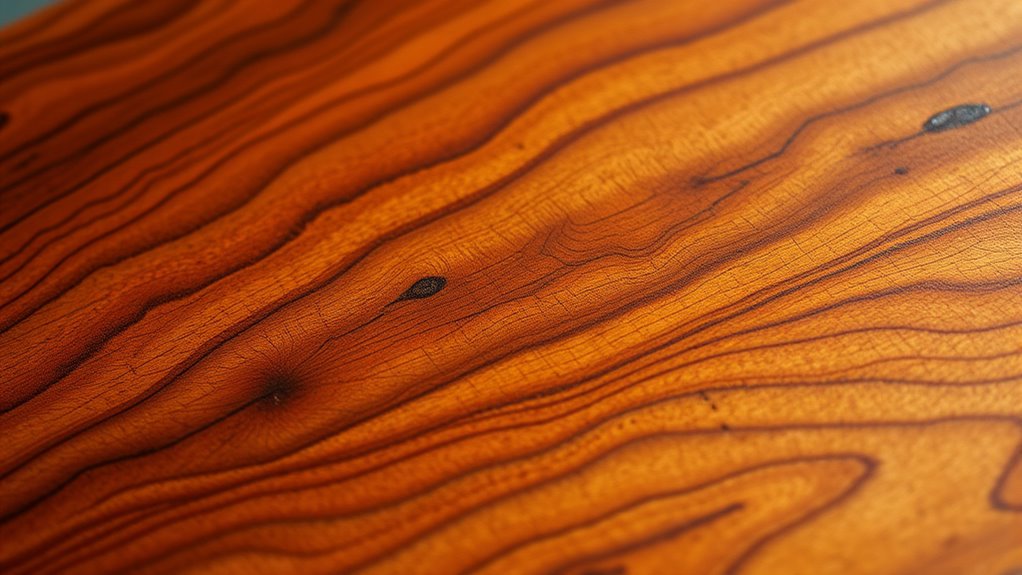
Have you ever noticed how walnuts add a touch of elegance to any space? Their deep, rich color immediately commands attention, elevating the overall aesthetic of a room or piece of furniture. But beyond their stunning appearance, walnuts are celebrated for their unique grain pattern and impressive durability. When you choose walnut for your interior or furniture projects, you’re opting for a material that combines beauty with practicality.
The grain pattern of walnut is truly remarkable. Each piece showcases a distinctive swirl of lines, waves, and knots that tell a story of natural artistry. No two slabs are exactly alike, giving your space a custom, one-of-a-kind feel. This intricate grain adds depth and character, making even simple furniture pieces look refined and sophisticated. Whether you prefer a more uniform appearance or the natural variation of knots and streaks, walnut’s grain pattern offers versatility that suits a range of design styles—from modern minimalism to rustic charm.
Walnut’s unique grain pattern adds depth and character, making each piece a one-of-a-kind work of natural art.
Durability is another reason walnuts stand out. This hardwood is known for being resilient, able to withstand the rigors of daily use without easily showing signs of wear. If you’re investing in a piece of furniture meant to last for generations, walnut is an excellent choice. Its dense structure resists dents and scratches better than softer woods, ensuring that your furniture maintains its elegance over time. Additionally, walnut’s natural oils confer some resistance to moisture and pests, which helps preserve its strength and appearance even in less controlled environments. Its natural resilience makes walnut ideal for long-lasting furniture.
Handling and working with walnut is also straightforward, thanks to its sturdy nature. Carpenters and woodworkers appreciate its workability, as it cuts and sands smoothly, revealing the beauty of its grain with minimal effort. When finished properly, walnut surfaces develop a lustrous sheen that highlights the richness of its color and the complexity of its grain pattern. This combination of workability and durability means that your custom pieces will not only look stunning but also stay functional and beautiful for years to come.
In essence, choosing walnut means investing in a material that offers both aesthetic appeal and long-lasting performance. Its striking grain pattern ensures each piece is unique, capturing the eye and sparking admiration. Meanwhile, its durability guarantees that your furniture or accents will endure the test of time, maintaining their premium look and feel. With walnut, you’re embracing a natural material that elevates your space while providing dependable strength and timeless beauty.
Frequently Asked Questions
How Does Walnut Wood Compare to Other Hardwoods in Durability?
Walnut wood is highly durable compared to many other hardwoods, making it a great choice for furniture and flooring. In a hardwood comparison, it stands out for its resistance to scratches and dents, thanks to its dense grain structure. Durability factors like hardness and stability guarantee your walnut pieces last longer with minimal wear. So, if you’re looking for a resilient, premium hardwood, walnut is a smart, stylish option.
Can Walnut Be Sustainably Harvested Without Harming Forests?
Yes, you can sustainably harvest walnut wood without harming forests. By supporting practices like sustainable harvesting and forest conservation, you help guarantee walnut trees are replenished and ecosystems remain healthy. Responsible forestry measures, such as selective logging and replanting, allow you to enjoy the rich, premium appeal of walnut while protecting natural habitats. Your choices make a difference in maintaining the balance between wood use and forest preservation.
What Are the Best Finishes to Enhance Walnut’s Natural Color?
You should choose finishing techniques like oil or hand-rubbed polyurethane to enhance walnut’s natural color. These options deepen the rich hues and bring out the wood’s intricate grain patterns. For color enhancement, consider using a tinted oil or a stain that complements walnut’s warm tones. Applying these finishes with careful, even coats guarantees a beautiful, durable surface that highlights walnut’s premium appeal and natural beauty.
How Resistant Is Walnut to Common Household Pests?
Walnut has good pest resistance, making it less susceptible to common household insects like termites and wood-boring beetles. However, it’s not completely insect-proof, so you should take preventive measures such as regular cleaning and applying protective finishes. Proper maintenance can enhance its natural durability, reducing insect susceptibility. Overall, walnut’s moderate pest resistance makes it a smart choice for furniture, but vigilance helps guarantee it stays in top condition.
Is Walnut Suitable for Outdoor Furniture?
You might find it surprising, but walnut isn’t the best choice for outdoor furniture due to its limited outdoor weathering and pest resistance. Exposure to moisture and pests can cause it to crack, warp, or decay over time. While walnut’s rich color and premium appeal are undeniable indoors, if you want durable outdoor furniture, consider woods like teak or cedar that withstand outdoor weathering and pests better.
Conclusion
So, when you choose walnut, you’re not just picking a wood—you’re embracing timeless elegance and warmth. Its rich color and premium appeal turn any space into a sanctuary of sophistication. Imagine the stories these surfaces will hold, each grain whispering tales of craftsmanship and style. Don’t settle for ordinary; let walnut’s beauty inspire you to create something truly extraordinary. After all, isn’t life too short for anything less than the finest?