Birch is a versatile wood that’s great for plywood and furniture, thanks to its natural beauty and flexible grain. Its straight, fine grain offers a smooth surface that’s ideal for finishing with paints, stains, or clear coats, enhancing its appearance. You can achieve sleek, professional results by properly preparing and applying finishes. If you want to discover more about working with birch’s unique qualities and crafting stunning projects, there’s plenty more to explore.
Key Takeaways
- Birch wood is highly adaptable, ideal for plywood and furniture projects due to its flexibility and natural beauty.
- Its fine, straight grain creates a smooth surface that enhances finishing techniques and aesthetic appeal.
- Birch responds well to staining, painting, and clear finishes, allowing for customized design options.
- Proper sanding and finishing techniques highlight the wood’s subtle grain patterns and ensure durability.
- The versatility of birch supports a wide range of styles, from modern to traditional, making it a popular choice for various applications.
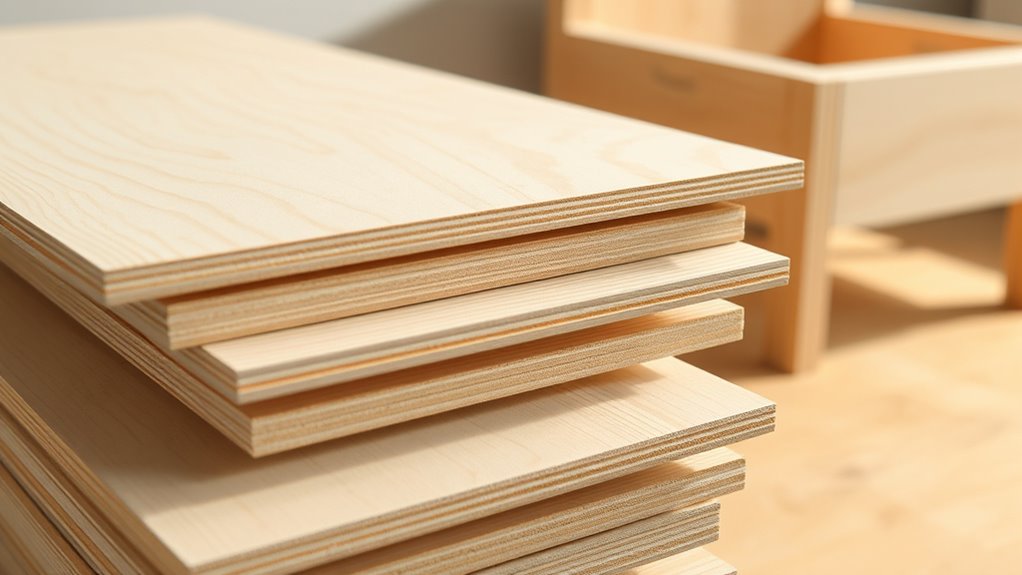
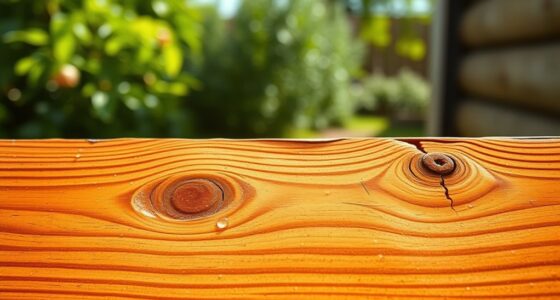
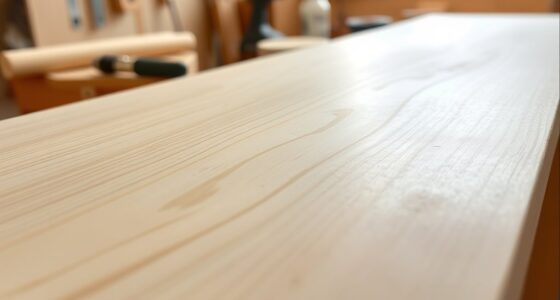
Birch wood stands out as a highly adaptable material, making it a popular choice for both plywood and furniture. Its natural beauty and flexibility allow you to craft everything from sleek modern pieces to traditional designs. One of the key features that set birch apart is its distinctive wood grain. The grain is generally straight and fine, giving your projects a smooth, uniform appearance. When you’re working with birch, you’ll notice that the grain patterns are subtle yet elegant, which makes it an excellent surface for showcasing your finishing techniques.
Birch wood’s fine, straight grain offers a smooth, elegant surface perfect for showcasing your finishing skills.
If you plan to enhance the natural look of birch, understanding how to work with its wood grain is essential. You can emphasize the grain’s fine lines by applying clear finishes like polyurethane or varnish, which add depth without obscuring the natural beauty. Alternatively, if you prefer a more dramatic look, you might choose staining to highlight the grain patterns. Light stains will accentuate the subtle variations in the wood, while darker stains can give your piece a richer, more luxurious feel. Whichever route you take, the key is to select finishing techniques that complement the smooth, even texture of birch and enhance its inherent qualities.
When it comes to finishing techniques, birch responds well to a variety of treatments. Sanding is vital; start with coarse grit and work your way up to a fine grit to achieve a silky-smooth surface. This preparation ensures that your finishes will adhere properly and look flawless. After sanding, you can choose to apply oil-based or water-based finishes, each offering different aesthetic results and durability. For a natural look, oil finishes penetrate the wood, enriching its color and providing a soft sheen. For a more polished appearance, lacquer or polyurethane coat can create a glossy surface that emphasizes the wood grain’s subtle patterns.
You’ll also find that birch’s light color lends itself effectively to painting, if you wish to add color or custom designs. Priming the wood beforehand ensures even paint coverage and minimizes blotchiness. Additionally, understanding the versatility of birch allows you to explore a wide range of creative possibilities in your projects. No matter what finishing technique you choose, the key is to work carefully and patiently, allowing each layer to dry thoroughly before applying the next. This approach results in a professional-quality finish that highlights the beauty of the wood grain and showcases your craftsmanship. With proper attention to detail, birch wood can be transformed into stunning furniture or plywood panels that stand out for their versatility and refined appearance.
birch plywood sheets
As an affiliate, we earn on qualifying purchases.
As an affiliate, we earn on qualifying purchases.
Frequently Asked Questions
How Does Birch Compare to Oak in Durability?
You’ll find that oak is generally more durable than birch, especially for heavy-use furniture. Oak has a tighter grain pattern, making it more resistant to scratches and dents, and its color variation is more consistent. Birch, while versatile, has a softer grain pattern and can show more color variation, which may make it less suitable for high-traffic or outdoor projects. Choose oak if durability is your priority.
Is Birch Suitable for Outdoor Furniture?
Think of birch as a delicate flower in the outdoor garden—beautiful but needing careful tending. While it’s not naturally suited for outdoor weathering, you can still use birch for outdoor furniture with proper birch maintenance. Seal it well and apply weather-resistant finishes to protect against moisture and sun damage. With these precautions, birch can stand up to the elements—though it still requires more care than hardwoods like oak.
What Are the Environmental Benefits of Using Birch?
Using birch benefits the environment because it’s sustainably harvested, helping to preserve forests and reduce deforestation. It also plays a role in carbon sequestration, absorbing CO2 from the atmosphere and mitigating climate change. When you choose birch, you support eco-friendly practices and help maintain healthy ecosystems. Its quick growth rate makes it a renewable resource, ensuring you enjoy high-quality wood while minimizing environmental impact.
How Does Birch Age Over Time in Furniture?
As your birch furniture ages, you’ll notice the wood grain changes subtly, developing a richer, more characterful appearance. The aging process causes the color to deepen and the surface to gain a warm, patina-like glow. Light scratches and dents blend in over time, giving your piece a unique history. With proper care, birch ages gracefully, enhancing its natural beauty and making your furniture more charming and personalized.
Can Birch Be Recycled or Repurposed Effectively?
You might wonder if birch can be recycled or repurposed effectively. The truth is, recycling processes for birch are quite efficient, making it an eco-friendly alternative to new wood. You can repurpose birch by reusing furniture components or turning scraps into new projects. Its durability and ease of work support sustainable practices, helping reduce waste and environmental impact. So, yes, birch can be recycled and repurposed effectively, aligning with eco-conscious choices.
birch wood furniture kits
As an affiliate, we earn on qualifying purchases.
As an affiliate, we earn on qualifying purchases.
Conclusion
Just as the sturdy oak stands tall through storms, birch’s versatility makes it a reliable choice for your projects. Its smooth grain and resilience evoke the elegance of a well-crafted ship steering rough seas. When you choose birch, you’re selecting a wood that’s as adaptable as a chameleon and as enduring as the ancient forests. Embrace its potential, and let your creations stand the test of time, echoing nature’s timeless beauty.
wood finishing supplies for birch
As an affiliate, we earn on qualifying purchases.
As an affiliate, we earn on qualifying purchases.
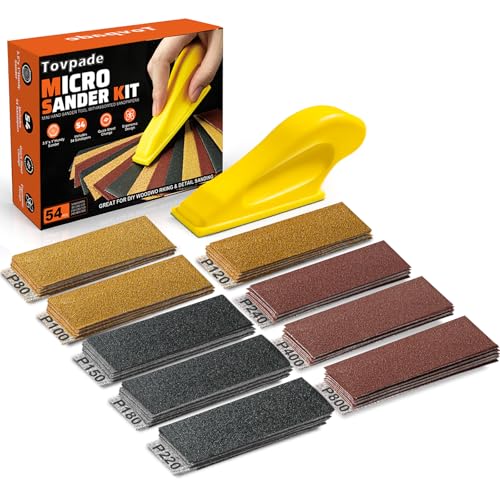
TOVPADE 54PCS Premium Micro Sander, Detail & Mini Sander Block – Precision Small Hand Sanding Tool, 80–800 Grit Sandpaper Kit, 3-in-1 Set for Wood, Crafts, Furniture, Tight Spaces & DIY Projects
All-in-One Sanding Kit for Every Detail: Includes a compact sanding block and 54 sandpapers in 9 grit types…
As an affiliate, we earn on qualifying purchases.
As an affiliate, we earn on qualifying purchases.