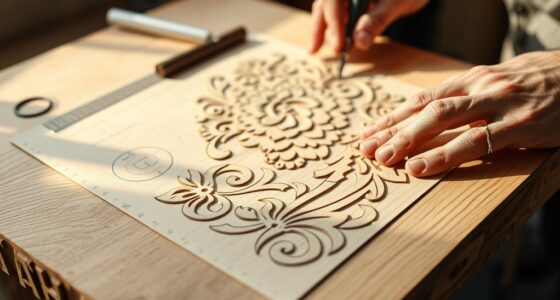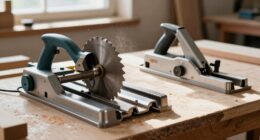
Pierced carving involves carefully cutting open patterns into solid materials like wood or metal using small saws and drills. You start by sketching your design, then use precision tools to create intricate gaps that add depth, lightness, and visual interest. This technique not only enhances the beauty of the piece but also reduces its weight. If you keep exploring, you’ll uncover how skilled artisans combine inlay work to elevate these intricate designs even further.
Key Takeaways
- Pierced carving involves cutting open patterns into materials like wood or metal using saws and drills.
- Techniques require careful sketching, precision tools, and steady hands to create intricate, detailed designs.
- Open spaces in pierced carving add depth, light passage, and visual interest to the artwork.
- Inlays, such as metal or colorful materials, are often embedded into carved channels for enhanced contrast.
- The process reduces weight, improves handling, and produces captivating shadows and dimensional effects.
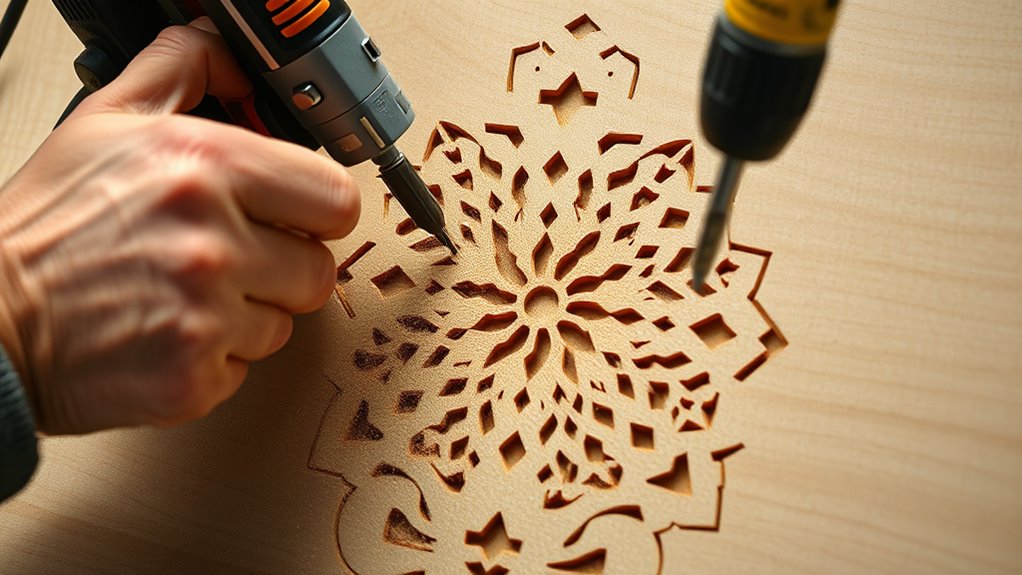
Have you ever wondered how artisans create intricate designs that seem to float within a solid piece of material? The secret often lies in pierced carving, a technique that involves cutting open patterns into the material using saws and drills. This method allows for stunning visual effects and adds a tactile dimension to your work. Whether you’re working with wood, metal, or other mediums, pierced carving opens a world of artistic possibilities. When you start a pierced carving project, you first sketch your design, paying close attention to the details and the flow of the pattern. Once you have your plan, you select the right tools—tiny saw blades, fine drills, and precision bits. These tools help you carefully cut along your pattern lines, removing material bit by bit. The process requires patience and steady hands, especially when working on delicate areas or intricate curves. As you cut, you reveal a network of open spaces that give your design a sense of depth and dimension. Metal inlay and decorative inlay are often integrated into pierced carvings to enhance their visual appeal. With metal inlay, you carve out sections of your pattern and fill them with metallic materials like silver, gold, or copper. This creates a striking contrast against the surrounding material, making the design pop. Decorative inlay can also involve embedding colorful materials such as shell, stone, or resin, adding vibrancy and texture. These inlays are carefully fitted into the carved channels and then polished smooth, resulting in a seamless, eye-catching finish. Incorporating inlay techniques into pierced carving not only elevates the aesthetic but also demonstrates your craftsmanship and attention to detail. As you progress, you’ll notice that the open areas in your design can serve multiple purposes. They reduce the weight of the piece, making it easier to handle and hang, especially in larger works. The open patterns also allow light and air to pass through, creating intriguing shadows and visual effects. When finished, your pierced carving becomes more than just a carved surface; it transforms into a delicate interplay of positive and negative space, showcasing your skill and creativity. Mastering pierced carving with metal inlay or decorative inlay takes practice, but it offers a rewarding way to produce highly detailed, enthralling artwork. With patience, precision, and a keen eye for design, you can craft pieces that captivate viewers and stand the test of time. Exploring high-end materials can further elevate the luxury aspect of your work and add durability to your creations.
Frequently Asked Questions
What Safety Gear Is Recommended for Pierced Carving?
You should wear protective eyewear to shield your eyes from flying debris and dust during pierced carving. Respiratory masks are essential to prevent inhaling fine particles created by saws and drills. Additionally, consider using gloves for hand protection and earplugs to reduce noise. Prioritizing safety gear helps you avoid injuries and health issues, making your carving experience safer and more enjoyable.
Which Types of Wood Are Best for Piercing?
You want woods that cut smoothly, resist splintering, and hold intricate patterns well. Softwoods like basswood and pine are ideal, thanks to their lower density and consistent grain orientation, making piercing easier. Hardwoods such as cherry or maple can work too, but their higher density and variable grain might challenge your tools. Choose woods with a fine, straight grain for cleaner cuts and less effort, ensuring your pierced designs come out sharp and precise.
How Do You Prevent Cracking During Cutting?
To prevent cracking during cutting, you should pay attention to the wood grain and adjust your cutting speed accordingly. Keep your saw or drill steady and follow the grain direction to minimize stress. Using a slower cutting speed helps reduce heat and tension, which can cause cracks. Additionally, support the wood properly and make shallow passes if needed, ensuring a smoother cut and less risk of cracking.
Can Pierced Carving Be Done on Metal or Plastic?
Yes, pierced carving can be done on metal and plastic. When working with metal, you’ll want to use specialized tools like fine saw blades and drills designed for metal work to prevent cracking. For plastic carving, choose sharp, precise tools to avoid melting or cracking the material. Always secure your workpiece properly and work slowly to maintain control, ensuring clean, detailed patterns without damaging the material.
What Are the Common Mistakes to Avoid?
To avoid common mistakes, you should focus on proper tool maintenance and brushing techniques. Always guarantee your saws and drills are sharp and clean to prevent ragged edges. Use a gentle brush technique when clearing debris, so you don’t damage your work. Rushing through your carving can cause mistakes, so take your time. Regularly inspect your tools, and practice controlled, steady movements for cleaner, more precise pierced carvings.
Conclusion
As you carve through the wood, each cut becomes a journey into your own creativity, revealing hidden patterns like a lighthouse guiding lost ships. Your saw and drill aren’t just tools—they’re symbols of transformation, revealing beauty from raw material. Every pierced pattern echoes your spirit’s resilience and ingenuity, turning simple wood into a masterpiece. Remember, with each cut, you’re not just shaping wood—you’re carving a legacy that shines like a beacon in the darkness.