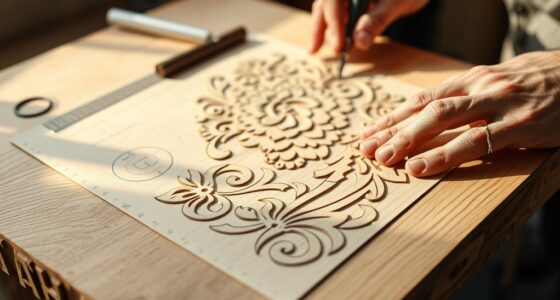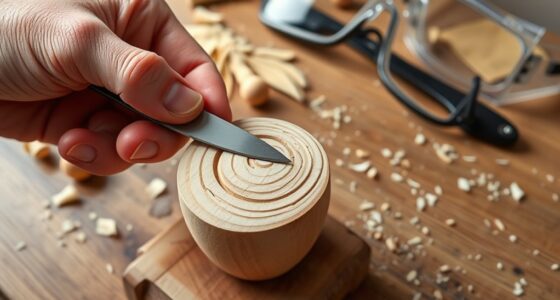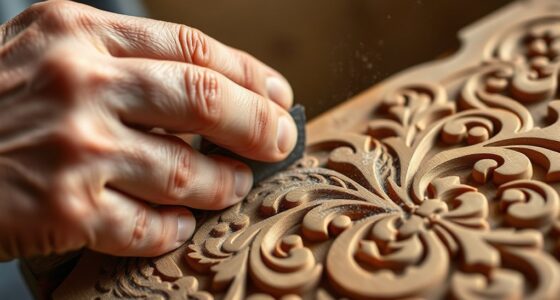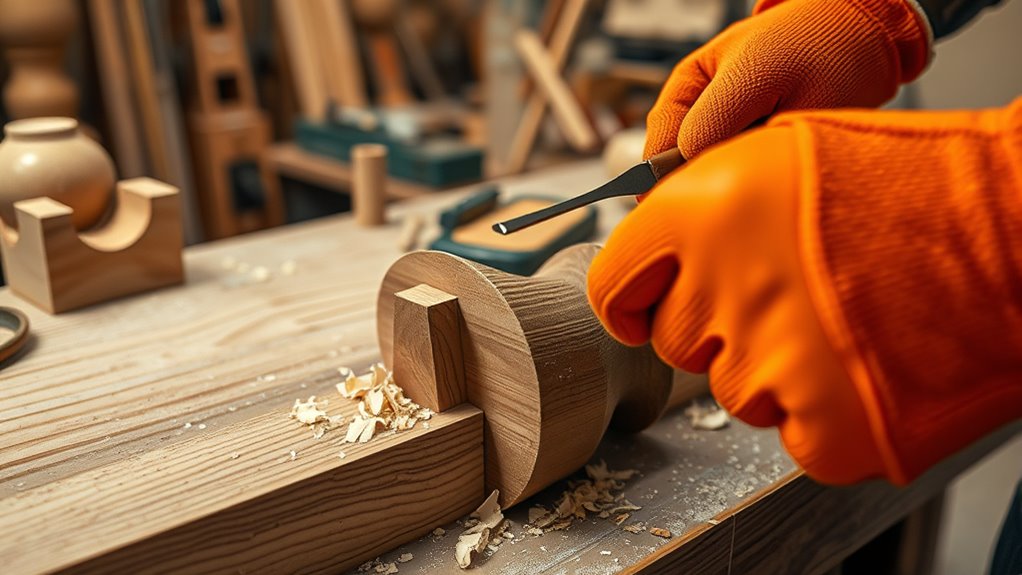

Using safety gear like gloves, bench hooks, and V‑blocks is essential for a safer carving experience. Gloves protect your hands from cuts, while bench hooks keep your workpiece stable and prevent slipping. V‑blocks hold round or irregular objects securely, reducing the risk of accidents. Proper safety tools give you better control and help avoid injuries. Keep these tools in mind, and you’ll discover more tips to make carving safer and more enjoyable.
Key Takeaways
- Wearing cut-resistant gloves protects hands from accidental cuts during carving.
- Bench hooks stabilize workpieces, preventing slips and reducing injury risk.
- V‑blocks securely hold rounded or irregular objects for safer, more controlled carving.
- Proper tool maintenance ensures sharp blades, minimizing slips and enhancing safety.
- Using safety-enhancing tools and gear creates a safer carving environment, reducing accidents.

Carving can be an exciting and rewarding activity, but it also comes with safety risks that you can’t afford to ignore. When working with sharp tools, one moment of distraction or improper handling can lead to serious injuries. That’s why it’s essential to prioritize safety at every step. Always use the right protective gear, such as cut-resistant gloves or finger guards, to shield your hands from accidental slips. These gloves are designed to resist cuts and provide an extra layer of defense, especially when you’re applying pressure or making intricate cuts. Remember, even the most skilled carvers can slip, so don’t underestimate the importance of protective gear in preventing injuries.
In addition to gloves, setting up your workspace with proper tools is vital. Sharp tools are necessary for precise and clean cuts, but they also pose higher risks. Keep your blades sharp and well-maintained; dull tools require more force and are more likely to slip. Always handle your carving tools with care, and when not in use, store them safely out of reach or in a designated tool holder. Properly storing your tools minimizes accidental contact and keeps your workspace organized, reducing the chance of mishaps.
Using a bench hook or V‑block can greatly improve your safety and control during carving. A bench hook acts as a stable platform that keeps your workpiece steady, preventing it from slipping while you carve. It also allows you to push the material against the blade instead of pulling, which is safer for your hands. V‑blocks are designed to hold rounded or irregularly shaped objects securely, giving you better leverage and control. Both tools help you maintain a safe stance and reduce the risk of your hand slipping onto the blade. Incorporating safety-focused tools into your setup enhances both your protection and the precision of your work.
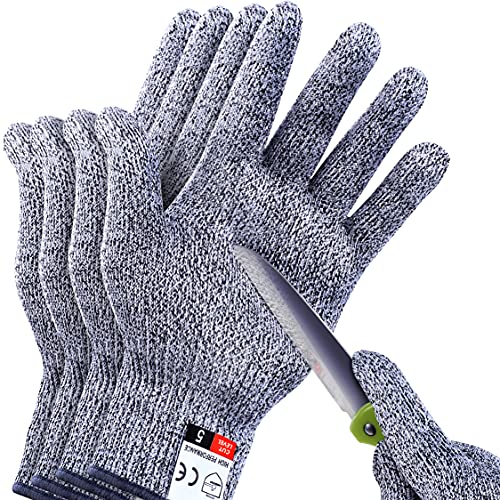
THOMEN 4 PCS (M+L) Cut Resistant Gloves Level 5 Protection for Kitchen, Upgrade Safety Anti Cutting Gloves for Meat Cutting, Wood Carving, Mandolin Slicing and More
Protect Your Hand – Throw away the normal gloves and try to use our THOMEN cut resistant gloves….
As an affiliate, we earn on qualifying purchases.
As an affiliate, we earn on qualifying purchases.
Frequently Asked Questions
What Materials Are Safest for Carving Gloves?
You should choose carving gloves made from materials like nitrile or leather, as they offer good durability and protection. These materials resist cuts and punctures, reducing injury risk. Guarantee the gloves fit snugly without restricting movement, so you maintain control. Avoid flimsy or loose gloves, which can slip or tear easily. Properly fitting, durable gloves made from high-quality materials keep your hands safe while allowing precise carving work.
How Do I Maintain and Clean Carving Gloves?
Think of your carving gloves like a trusted tool that needs regular care. To maintain their durability, hand wash them with mild soap after each use, avoiding harsh chemicals. Air dry thoroughly to prevent mold and deterioration. Proper cleaning techniques keep them in top shape, much like a well-oiled machine. When you care for your gloves, they’ll serve you longer, ensuring safety and precision every time you carve.
Can Bench Hooks Be Adjusted for Different Projects?
Yes, adjustable bench hooks can be modified for different projects. You simply loosen or tighten their mechanisms to change the angle or length, making them versatile carving fixtures. This flexibility allows you to securely hold various materials and shapes, enhancing safety and precision. By customizing adjustable bench hooks, you can accommodate different carving needs, ensuring your workspace remains efficient and adaptable for multiple project types.
What Are Common Mistakes When Using V‑Blocks?
When using v‑blocks, a common mistake is not ensuring v‑block stability, which can cause your workpiece to shift. You might also improperly secure the piece, risking slips or accidents. Always double-check that the v‑block is firmly positioned and stable before securing your work. Use appropriate clamps and avoid over-tightening, which could damage the material or compromise safety. Proper setup keeps your carving precise and safe.
Are There Specific Safety Certifications for Carving Tools?
There aren’t universal safety certifications specifically for carving tools, but safety standards and certification requirements do exist to guarantee safe use. You should look for tools that meet industry standards like OSHA or ASTM, which set benchmarks for safety and quality. Always verify that your carving tools adhere to these safety standards, and follow proper handling procedures. Doing so minimizes risks and ensures you work safely and effectively.

ESSDEE BH1 Bench Hook 300x200mm, 300mm x 200mm, Wood
For tidy; safe working
As an affiliate, we earn on qualifying purchases.
As an affiliate, we earn on qualifying purchases.
Conclusion
Remember, carving safely is your shield against accidents—think of gloves, bench hooks, and v-blocks as your trusted armor. When you respect their power, you’re steering clear of jagged pitfalls and unexpected slips. Treat your tools like loyal allies in your creative journey, not reckless weapons. Stay vigilant, keep safety close, and let your craftsmanship flow smoothly like a gentle stream. With proper precautions, you’ll carve with confidence, turning raw material into art without a single misstep.

Basswood Carving Blocks 24PCS: Whittling Wood Blocks Wood Carving Kit with 3 Different Sizes – Soft Woodworking Blanks for Crafts Beginners Kids Adults
[Versatile Sizes for Every Project] Get 24 easy-to-carve blocks in 3 sizes: 20 slim blocks (4"x1"x1") for detailed…
As an affiliate, we earn on qualifying purchases.
As an affiliate, we earn on qualifying purchases.
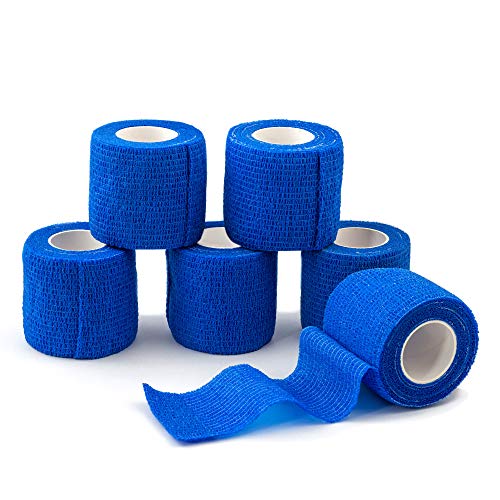
BeaverCraft Cut Resistant Tape Adherent Wrap Tape No-Cut Tape for Wood Carving and Whittling NCT6 6pcs
Self Adherent Tape – Security Comes First: take care of your fingers with the self adherent tape during…
As an affiliate, we earn on qualifying purchases.
As an affiliate, we earn on qualifying purchases.