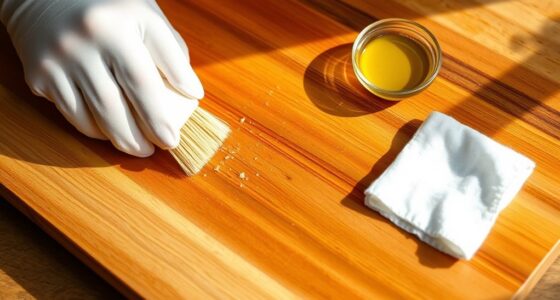

To reseason your wooden butcher block, start by cleaning it thoroughly with warm water and mild soap, then dry completely. Apply a food-grade oil like mineral oil or beeswax evenly across the surface, including the edges, and let it soak in for several hours or overnight. Wipe off any excess oil before use. Regular reseasoning helps keep your block durable, safe, and resistant to stains and bacteria—continue with these steps to master proper maintenance.
Key Takeaways
- Clean the butcher block thoroughly with warm water and mild soap, then dry completely before reseasoning.
- Apply a food-grade oil like mineral oil or beeswax evenly over the entire surface, including edges.
- Let the oil sit for several hours or overnight to penetrate deep into the wood fibers.
- Wipe off any excess oil to prevent stickiness and ensure a smooth, protective finish.
- Reapply oil every few weeks or when the surface appears dry to maintain a durable, bacteria-resistant surface.
Have you ever wondered how to keep your wooden butcher block in top shape? Reseasoning is essential for maintaining its durability, ensuring it remains a safe and effective cutting surface. Proper cutting surface maintenance isn’t just about keeping your workspace tidy; it’s crucial for food safety tips and prolonging the life of your butcher block. When you regularly reseason your wood, you help create a protective barrier that guards against bacteria, moisture, and knife damage. This process revitalizes the wood, making it less porous and more resistant to stains and odors. Using the right self watering plant pots can even help maintain the moisture balance in your kitchen environment, supporting the longevity of your butcher block. To start, you’ll want to clean your butcher block thoroughly. Use warm water and a mild dish soap, scrubbing away any debris, stains, or residual food particles. Avoid soaking the wood or using harsh chemicals, as these can damage the surface. Once cleaned, dry the surface completely with a clean towel or allow it to air dry. This step guarantees no moisture remains, which is essential for effective reseasoning and food safety tips. Bacteria thrive in damp environments, so a dry surface is safer for prepping food.
Regular reseasoning keeps your butcher block durable, safe, and resistant to stains, odors, and knife damage.
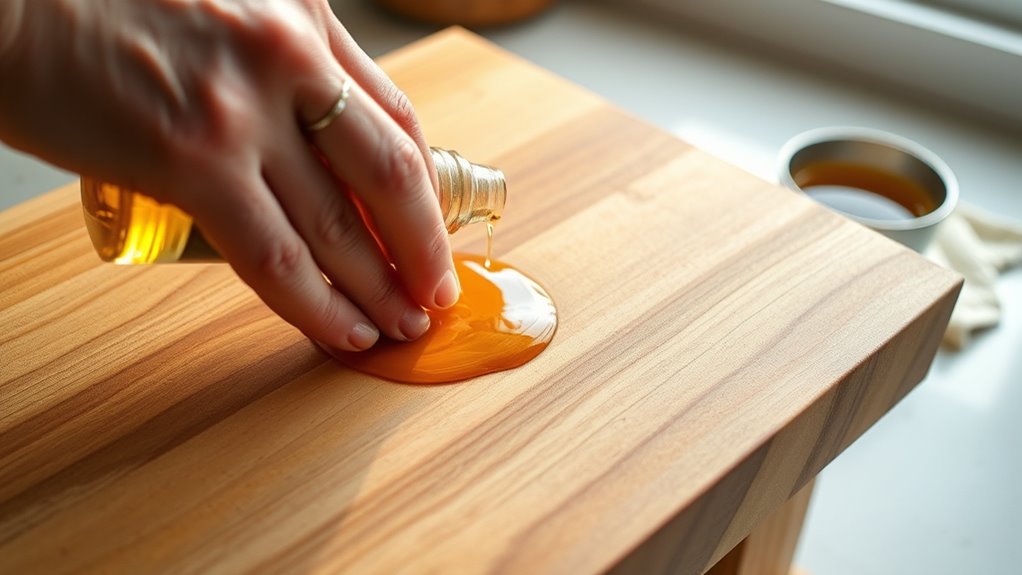
Next, apply a food-grade oil, such as mineral oil or beeswax, to your butcher block. Use a clean cloth or paper towel to spread an even layer across the entire surface, including the sides and edges. This oil seeps into the wood, filling in pores and creating a barrier that repels water and bacteria. Make sure you cover every inch thoroughly, as incomplete coverage can leave parts vulnerable to moisture penetration. Allow the oil to sit for several hours or overnight to ensure it penetrates deeply. Wipe away any excess oil afterward to prevent a sticky surface.
After reseasoning, it’s important to maintain your butcher block regularly. Reapply oil every few weeks or whenever the surface looks dry or dull. Consistent cutting surface maintenance not only preserves the wood’s integrity but also guarantees it remains a safe environment for food preparation. Remember, food safety tips emphasize keeping your cutting surface clean and well-oiled, especially after cutting raw meats or produce that may carry bacteria. Proper reseasoning helps prevent cross-contamination and keeps your workspace hygienic.

Woodturning Steady Rest MC-FS9 for 16inch,18inch and 20inch Swing Size Lathe for Spindle Woodturning.
This steady rest is compatible with 16inch, 18inch and 20 inch Swing lathe. For different sizes lathe, use...
As an affiliate, we earn on qualifying purchases.
Frequently Asked Questions
How Often Should I Reseason My Wooden Butcher Block?
You should reseason your wooden butcher block every 3 to 6 months, or when you notice it absorbing more oil than usual. Regular reseasoning helps prevent excessive wood aging and maintains its quality. If the surface feels dry or looks dull, it’s time to oil again. This routine keeps the wood properly conditioned, reducing oil absorption and ensuring your butcher block stays durable and attractive over time.
Can I Use Mineral Oil or Other Oils for Reseasoning?
Yes, you can use mineral oil or other food-grade oils for reseasoning your butcher block. These oils penetrate deeply, helping to protect the wood and prevent stains or cracks. Make sure to select oils labeled food-grade to ensure safety. Apply a generous layer, let it soak in, and wipe off any excess. Regular reseasoning with proper oils maintains the wood’s durability and keeps it looking great.
Is It Safe to Reseason With Food-Grade or Natural Oils?
Yes, it’s safe to reseason with food-grade oils and natural oils. You want to guarantee the oils are safe for contact with food, so always choose high-quality, food-grade options. Natural oils like mineral oil, beeswax, or walnut oil are popular choices. These oils help maintain your butcher block’s condition, prevent bacteria growth, and create a smooth, durable surface. Just make sure to apply thin layers and let them fully absorb.
What Signs Indicate My Butcher Block Needs Reseasoning?
You’ll know your butcher block needs reseasoning if you notice wood discoloration or a rough surface. Discoloration indicates the oil’s wearing off, while a rough texture suggests the wood is absorbing moisture or is dry. When these signs appear, it’s time to reseason your block with food-safe oil to restore its protective layer and keep it durable and safe for food prep.
Can Reseasoning Repair Deep Cuts or Cracks in the Wood?
Reseasoning can’t repair deep cuts or cracks in your butcher block. For these, you’ll need to fill the gaps with wood filler or epoxy, then sand smooth. Reseasoning mainly helps restore the surface’s natural oils and protect it, but it won’t fix structural damage. To keep your butcher block in top shape, address deep cuts and cracks first, then reseason to maintain its durability and appearance.
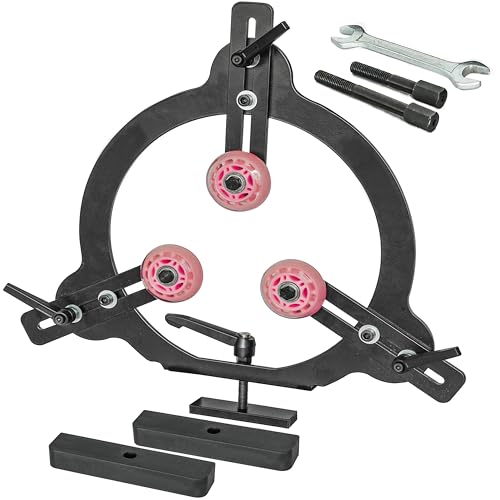
Woodturning Steady Rest for 12",14" and 16" Swing Size, Wood Lathe for Spindle Woodturning, Woodturning Tools.
The Woodturning Steady Rest for 12 inch, 14 inch and 16 inch Swing Medium Size Lathe provides exceptional...
As an affiliate, we earn on qualifying purchases.
Conclusion
Reseasoning your wooden butcher block keeps it safe and beautiful for years. Regular maintenance can extend its lifespan by up to 30%, preventing cracks and bacteria buildup. By following these simple steps, you guarantee your surface stays durable and hygienic. Remember, a well-maintained butcher block isn’t just more attractive — it’s essential for safe food prep. So, take care of your investment, and enjoy the delicious, worry-free meals it helps you create every day.

BMWOOD Woodturning Steady Rest MC-FS7 for 12inch,14inch and 16inch Swing Size Lathe for Spindle Woodturning.
This steady rest is compatible with 12 inch, 14 inch and 16 inch Swing lathe. For different sizes...
As an affiliate, we earn on qualifying purchases.
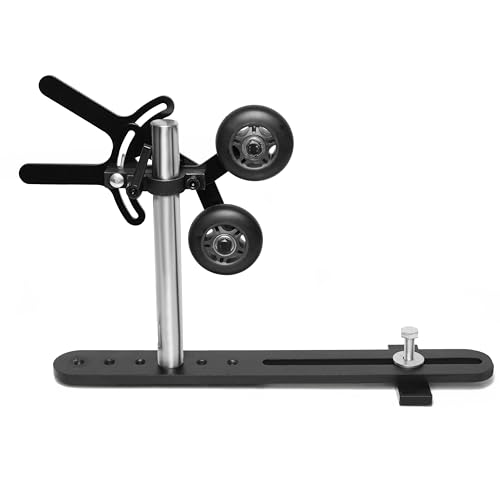
BMWOOD MC-FS6 Woodturning Steady Rest for Bowl Woodturning Lathe.
This bowl steady rest with double plastic wheel auxiliary support could be used to support disc-shaped, bowl-shaped woodturning,...
As an affiliate, we earn on qualifying purchases.