To remove stains and odors from your wooden cutting board, start by sprinkling coarse salt or baking soda, then scrub with a halved lemon to disinfect and brighten the surface. Rinse thoroughly with warm water, dry immediately, and periodically apply a mixture of olive oil and lemon juice to maintain its condition. Avoid soaking the board in water, and use natural remedies for ongoing freshness. Keep exploring to discover more simple, eco-friendly cleaning tips.
Key Takeaways
- Use coarse salt or baking soda as abrasives to lift stains and absorb odors effectively.
- Scrub with a halved lemon to harness natural disinfectant and brightening properties.
- Apply a baking soda and water paste to stubborn stains, letting it sit before gentle scrubbing.
- Rinse thoroughly with warm water and dry immediately to prevent moisture damage.
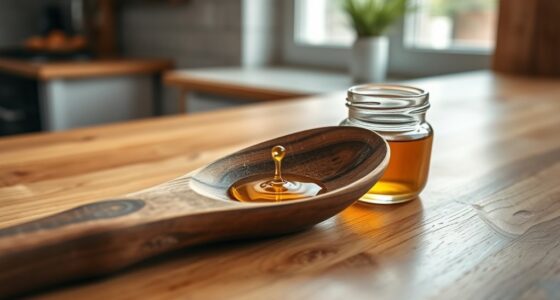
- Regularly rub the surface with a mixture of olive oil and lemon juice to condition and prevent future odors.
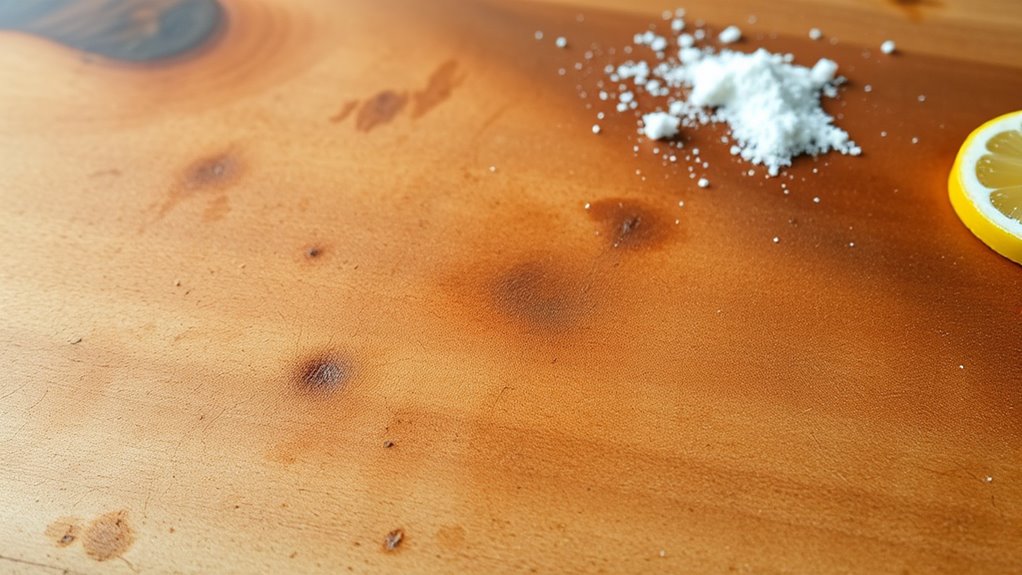
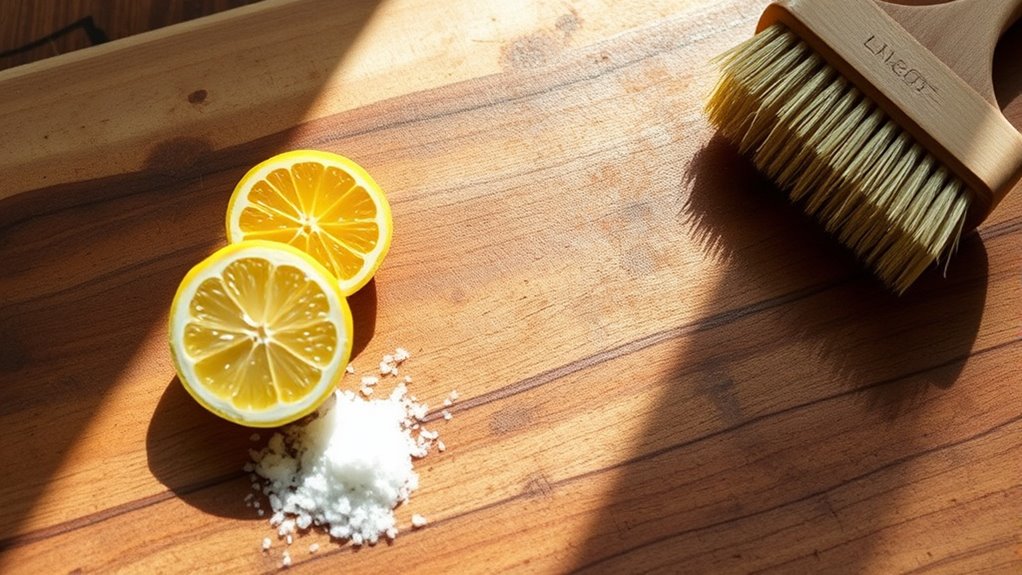
Wooden cutting boards can develop stubborn stains and lingering odors over time, but with the right cleaning techniques, you can restore their freshness. The key is to use effective cleaning methods that not only remove surface grime but also eliminate deep-seated smells and discoloration. Natural remedies are especially popular because they’re gentle on your board and free from harsh chemicals. Start by sprinkling coarse salt or baking soda over the surface. These substances act as abrasives, helping lift stains and absorb odors. Then, take a halved lemon and scrub the salt or baking soda into the board’s surface using the cut side. The acidity of lemon works as a natural disinfectant and brightening agent, breaking down stains and neutralizing odors without damaging the wood. Rinse the board thoroughly with warm water and dry it immediately with a clean towel. This simple technique combines cleaning techniques with natural remedies to refresh your cutting board effectively.
For deeper stains or stubborn odors, you might consider a paste made from baking soda and water. Spread this paste over the affected areas and let it sit for about 15 minutes. The baking soda’s alkalinity helps break down organic stains and absorb smells. After the waiting period, scrub the surface gently with a soft brush or sponge, then rinse thoroughly. To further disinfect, you can wipe the board with a solution of white vinegar diluted with water. Vinegar is a natural antiseptic that kills bacteria and cuts through lingering odors. After applying the vinegar, rinse well and dry completely. For ongoing maintenance, regularly rubbing the surface with a mixture of olive oil and lemon juice can help keep your board conditioned and odor-free, creating a natural barrier against future stains and smells.
Additionally, preventing damage from moisture is essential, so avoid soaking your wooden board in water, as this can cause warping or splitting. Instead, focus on quick, targeted treatments like scrubbing with natural remedies and wiping with vinegar. Maintaining your board with these simple cleaning techniques and natural remedies ensures it stays hygienic, odor-free, and visually appealing. With consistent care, your wooden cutting board can last for years, looking great and performing well. Using natural remedies not only keeps your kitchen safe but also preserves the integrity of the wood, making your cleaning routine both effective and eco-friendly. So, next time stains and odors appear, you’ll have a variety of safe, simple methods to restore your cutting board’s freshness without resorting to harsh chemicals. Moreover, understanding AI in Education can lead to innovative learning tools that support such eco-friendly practices.
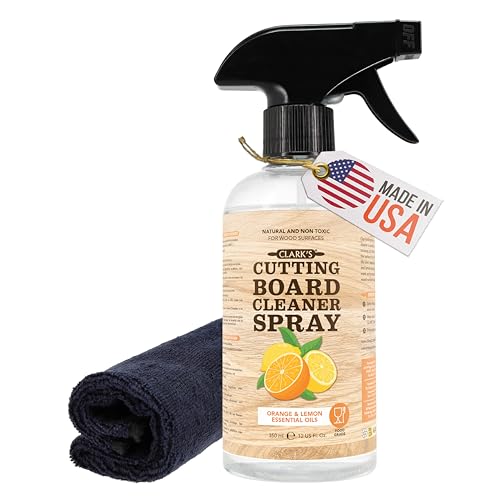
CLARK'S Natural Cutting Board Spray Cleaner, with Microfiber Cloth, for Wood Countertop – Pure Ingredients Filtered Water, Distilled Vinegar, Castile Soap, Lemon & Orange Citrus Oil Extracts, 12oz
NATURAL INGREDIENTS – Made with PURE NATURAL ingredients, starting with filtered water, distilled vinegar (you'll recognize the scent),…
As an affiliate, we earn on qualifying purchases.
As an affiliate, we earn on qualifying purchases.
Frequently Asked Questions
Can I Use Vinegar to Clean My Wooden Cutting Board?
Yes, you can use vinegar to clean your wooden cutting board. Vinegar is an effective natural cleaning agent that helps eliminate bacteria and odors. Its acidity breaks down stains and neutralizes smells without harsh chemicals. Simply pour some vinegar onto the surface, let it sit for a few minutes, then scrub gently with a brush or sponge. Rinse thoroughly with water to keep your cutting board clean and fresh.
How Often Should I Deep Clean My Wooden Cutting Board?
You should deep clean your wooden cutting board at least once a month to maintain proper board maintenance. Regular cleaning helps prevent bacteria buildup and keeps odors at bay. If you notice stains or lingering smells, increase the cleaning frequency and perform a thorough scrub with vinegar or baking soda. Consistent deep cleaning guarantees your board stays safe, hygienic, and in good condition for all your food prep needs.
Are There Natural Alternatives to Chemical Cleaners?
You might be surprised, but natural disinfectants like vinegar and lemon juice are excellent alternatives to chemical cleaners for your wooden cutting board. Essential oils such as tea tree or lavender also work well, offering antimicrobial properties. Simply mix these with water or apply directly, and you’ll effectively remove stains and odors without harsh chemicals. These natural options keep your board safe, fresh, and eco-friendly.
How Do I Prevent Future Stains and Odors?
To prevent future stains and control odors on your wooden cutting board, regularly oil it with food-grade mineral oil to create a barrier. Clean it thoroughly after each use with hot water and a mild soap, then dry completely. Avoid soaking or leaving it wet. Store it upright to promote airflow, and periodically sprinkle coarse salt or baking soda to absorb odors. These steps keep your board fresh and stain-free longer.
Is It Safe to Use Bleach on Wooden Cutting Boards?
Using bleach on wooden cutting boards isn’t recommended because of bleach safety concerns and the potential for damaging the wood. Wooden boards absorb chemicals easily, and harsh chemicals like bleach can leave residues or cause discoloration. Instead, opt for safer alternatives like white vinegar or baking soda. These natural options effectively clean and deodorize without risking harmful chemical interactions with wooden board chemicals.

MRS. MEYER'S CLEAN DAY Baking Soda Cream Cleaner, Cuts Grease, Scratch-Free Polish, Lemon Verbena, 16 Fl Oz, Pack of 1
Mrs. Meyer’s Baking Soda Cream Cleaner removes soap scum and grease build-up to make your kitchen sparkle
As an affiliate, we earn on qualifying purchases.
As an affiliate, we earn on qualifying purchases.
Conclusion
By following these simple tips, you can banish even the most stubborn stains and foulest odors from your wooden cutting board forever! Imagine your board smelling like a fresh spring garden and looking brand new—no more embarrassing odors or unsightly marks. With just a little effort, you’ll transform your kitchen experience into something truly miraculous. Say goodbye to stubborn stains and odors once and for all, and enjoy a sparkling, odor-free cutting board that’ll impress everyone!
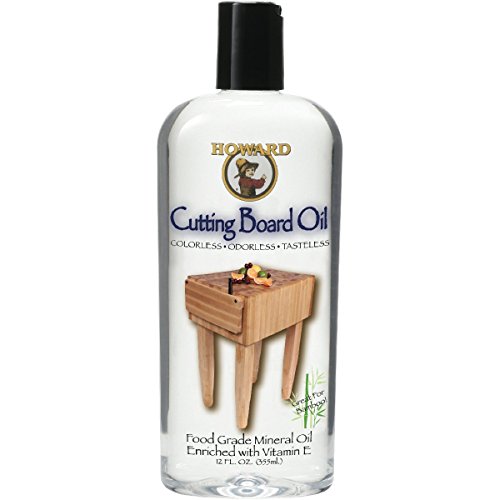
Howard Products Food Grade Mineral Oil for Wood Cutting Board – 12 oz, Pack of 1
Cutting Board Oil is a deep penetrating 100% Pure USP Food Grade Mineral Oil that is tasteless, odorless,…
As an affiliate, we earn on qualifying purchases.
As an affiliate, we earn on qualifying purchases.

Kate Naturals Mineral Oil for Wood Cutting Board, Butcher Block, and Knife. Food Grade Mineral Oil for Wooden Cutting Board & Utensils (8oz, Food Safe)
FOOD SAFE MINERAL OIL FOR CUTTING BOARD: Our Food Grade Cutting Board White Mineral Oil is a smooth,…
As an affiliate, we earn on qualifying purchases.
As an affiliate, we earn on qualifying purchases.