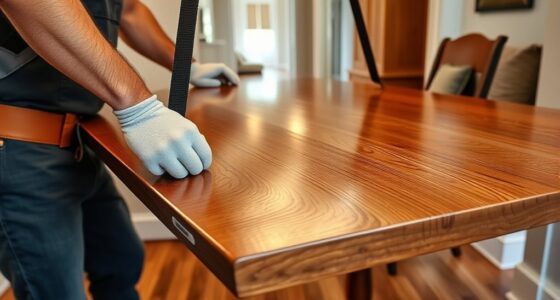
When handling raw meat on wood, it’s essential to choose dense, non-porous hardwoods like maple or oak, and always sanitize the surface immediately after contact with hot, soapy water followed by a food-safe disinfectant. Keep hands clean and use separate cutting boards for raw meat. Proper sanitation and diligent maintenance prevent bacteria from hiding in cracks or pores, reducing the risk of cross-contamination. Continuing will show you the best tips to keep your food safe and bacteria-free.
Key Takeaways
- Always clean and disinfect wood surfaces immediately after contact with raw meat using hot, soapy water and food-safe disinfectant.
- Choose dense, non-porous hardwoods like maple, cherry, or oak for better resistance to bacteria absorption.
- Handle raw meat with clean hands, and use separate cutting boards to prevent cross-contamination.
- Properly sanitize and inspect wood surfaces regularly for cracks or splinters where bacteria may hide.
- Marinate meat in the refrigerator in non-porous containers to minimize bacteria growth and ensure safe handling.

Have you ever wondered how to handle raw meat safely on wood surfaces? It’s a common concern, especially if you love grilling or preparing meals on wooden cutting boards or countertops. The key lies in understanding proper meat marination techniques and choosing the right wood selection to prevent cross-contamination and guarantee food safety. When marinating meat, you want to do it in a way that minimizes bacteria growth and keeps your food safe to consume. Always marinate in the refrigerator, not at room temperature. Use a non-porous container, like glass or food-safe plastic, instead of wood, because wood can absorb juices and harbor bacteria if not properly cleaned afterward. If you prefer to marinate directly on a wooden surface, make sure the wood is thoroughly sanitized beforehand. Proper meat marination not only enhances flavor but also reduces the risk of bacteria lurking on your surfaces.
Wood selection plays an essential role in handling raw meat. Not all woods are created equal when it comes to food safety. Hardwoods like maple, cherry, or oak tend to be better choices because they are dense and less porous than softwoods, making them less likely to absorb bacteria. However, even the best wood surfaces require diligent cleaning after contact with raw meat. Avoid softwoods like pine or cedar, as they tend to be more porous and can trap bacteria, increasing the risk of cross-contamination. Additionally, consider the finish of your wood surface. Untreated, sealed, or laminated wood surfaces are easier to clean and sanitize thoroughly. If your wood surface is untreated or has visible cracks and pores, bacteria can hide inside, making it more challenging to maintain proper sanitation.
When handling raw meat on wood, always incorporate proper hygiene practices. Wash your hands thoroughly before and after touching the meat or wood surface. Use separate cutting boards for raw meat and other ingredients whenever possible. If you’re working directly on a wooden surface, clean it immediately after use with hot, soapy water, followed by a disinfectant that’s safe for food-contact surfaces. Regularly inspect your wood for cracks or splinters where bacteria can hide. Remember, even the best wood choices require diligent cleaning to prevent foodborne illnesses. By selecting the right wood, practicing proper meat marination, and maintaining impeccable sanitation, you can safely handle raw meat on wood surfaces and enjoy your cooking without worry.
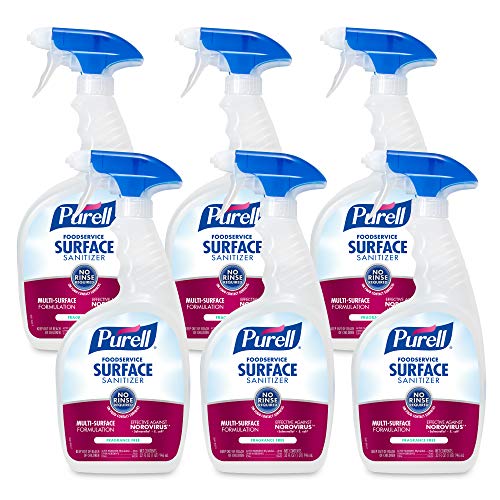
PURELL Foodservice Surface Sanitizer Spray, Fragrance Free, 32 fl oz Capped Bottle with Spray Trigger in Pack (Pack of 6) – 3341-06
One-step sanitizer offers powerful germ-kill without harsh chemicals to provide a better overall experience for guests
As an affiliate, we earn on qualifying purchases.
As an affiliate, we earn on qualifying purchases.
Frequently Asked Questions
Can I Reuse the Same Wood Cutting Board for Different Types of Meat?
You shouldn’t reuse the same wooden cutting board for different types of meat without proper cleaning. Cross contamination risks increase if you don’t thoroughly sanitize the board after each use. To maintain safety, wash the wood with hot, soapy water, then disinfect with a vinegar or bleach solution. Regular wooden board maintenance, including sanding out deep grooves, helps keep it sanitized and safe for multiple types of meat.
How Often Should I Disinfect Wood Surfaces After Handling Raw Meat?
You should disinfect wood surfaces immediately after handling raw meat to maintain food safety. Aim to clean and sanitize the surface each time you finish using it, especially if you’ve cut different types of meat. Regular surface sanitation prevents cross-contamination and bacteria buildup. Use hot, soapy water followed by a suitable disinfectant, ensuring the surface dries completely before reuse. Staying consistent with these steps keeps your food safe and your kitchen hygienic.
Is It Safe to Store Raw Meat Directly on Wooden Surfaces in the Fridge?
Sure, storing raw meat directly on wooden surfaces in the fridge sounds like a brilliant idea—if you enjoy cross-contamination and food poisoning. Meat storage on wood isn’t recommended because wooden surfaces can harbor bacteria even after cleaning. Instead, always use sealed containers or plastic wraps to keep raw meat safe and prevent bacteria from transferring to other foods. Your health deserves better than risking it on unprotected, porous wood surfaces.
What Are the Best Cleaning Products for Sanitizing Wooden Cutting Boards?
You should use food-safe disinfectants or antibacterial sprays to sanitize your wooden cutting boards effectively. These products are designed to kill bacteria without damaging the wood or leaving harmful residues. Spray the surface thoroughly, let it sit for a few minutes, then scrub with hot water and a brush. Rinse well and dry completely. Regularly sanitizing with these cleaning products guarantees your cutting boards stay safe and hygienic for food prep.
Can Untreated Wood Harbor Bacteria Even After Cleaning?
Yes, untreated wood can harbor bacteria even after cleaning because its porous surface allows bacterial penetration. You might remove surface dirt, but bacteria can settle deep within the wood’s pores, making it harder to sanitize fully. To reduce this risk, consider regularly oiling your wooden surface, using proper cleaning techniques, and replacing it if it becomes heavily damaged or excessively porous. This helps prevent bacteria buildup and keeps your surface safer.

Cutting Board for Kitchen Dishwasher Safe, Toptier, Wood, Fiber , Eco-Friendly, Non-Slip, Juice Grooves, Non-Porous, BPA Free, Small, Silicone, 11.5 x 9.25-inch, Natural Slate
🌟 A Cut Above – 11.5 x 9.5 inch wood fiber composite cutting board, wooden natural color, removable…
As an affiliate, we earn on qualifying purchases.
As an affiliate, we earn on qualifying purchases.
Conclusion
Remember, handling raw meat on wood can be safe if you follow proper sanitation steps. Some say wood naturally resists bacteria, but research shows it can harbor germs if not cleaned properly. So, don’t rely solely on wood’s reputation; always sanitize your cutting surface thoroughly after use. By taking these precautions, you protect yourself and your loved ones from foodborne illnesses, proving that safe handling is key—regardless of the surface.

CLARK'S Cutting Board Oil – Food Grade Mineral Oil for Cutting Board – Enriched with Lemon and Orange Oils – Butcher Block Oil and Conditioner – Mineral Oil – Restores and Protects All Wood – 12oz
Food grade: Our butcher block oil is lab tested to meet strict food safety standards. Clark's wood cutting…
As an affiliate, we earn on qualifying purchases.
As an affiliate, we earn on qualifying purchases.
PURELL Foodservice Surface Sanitizer Spray, Fragrance Free, 32 fl oz Capped Bottle with Spray Trigger in Pack (Pack of 6) – 3341-06
One-step sanitizer offers powerful germ-kill without harsh chemicals to provide a better overall experience for guests
As an affiliate, we earn on qualifying purchases.
As an affiliate, we earn on qualifying purchases.