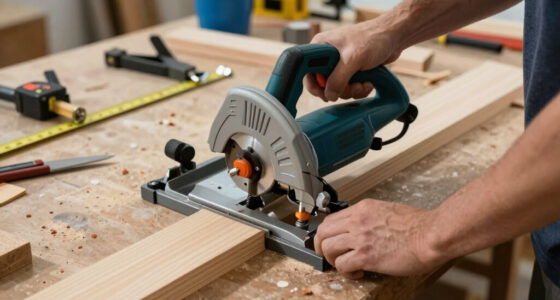

For most woodworkers, the DOVAMAN 4-1/2-inch Circular Saw is the best overall woodworking saw because it combines useful cutting power, a laser guide, and manageable size. The SUIZAN Ryoba is a standout for precise hand-cut joinery, while the DEKOPRO Jigsaw suits beginners who need curved cuts and variable speed. The main tradeoffs are control versus speed, portability versus cutting capacity, and low cost versus durability and versatility. I ranked these 15 woodworking saws by matching each design to the jobs it handles best. Continue reading for the full breakdown and buyer guidance.

Get business pricing on tools and workshop supplies
- Business-only prices and quantity discounts
- Tax-exempt purchasing
- Multiple users, one account, clear invoices
Complete the kit


Key Takeaways
- The DOVAMAN circular saw earns the best overall position because it offers more guided cutting control than the smaller compact saws without the bulk of a miter saw.
- Japanese pull saws dominate fine hand-cut work: the SUIZAN Ryoba brings the broadest hand-saw range, while the SUIZAN Flush Cut Saw and Jorgensen are better for small finishing jobs.
- The DEKOPRO jigsaw is the strongest beginner pick for users who need curved cuts, bevel work, and powered convenience in one approachable tool.
- The Metabo HPT compound miter saw is the premium choice for repeatable crosscuts and angled cuts, but its size and single-bevel design make it excessive for light home projects.
- Hand saws offer the lowest entry cost and easiest storage, while the WEN scroll saw and powered circular saws make more sense when repeated cuts or thicker stock justify a dedicated machine.




| woodworking saw | Blade Material | Blade Length |
|---|---|---|
| DOVAMAN 4-1/2" Circular Saw wi | — | — |
| IRWIN Tools ProTouch Coping Sa | High-speed steel | 6-1/2 inches |
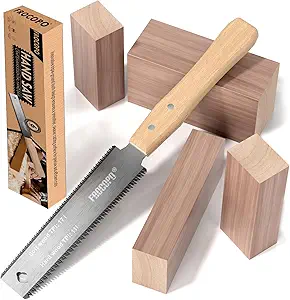
| Frocopo 6-Inch Hand Saw with D | SK5 steel | 6 inches |
| SUIZAN Ryoba Double Edge Saw 9 | — | 9.5 inches (240mm) |
| 4.8A Power Circular Saw Corded | — | — |
| DEKOPRO Electric Jigsaw Tool f | — | — |
| Jorgensen 5 Inch Double Edge F | SK5 carbon steel | 5 inches |
| SUIZAN 5-inch Japanese Flush C | Japanese steel | 5 inches |
| RUITOOL Japanese Hand Saw 6 In | SK5 high-carbon steel | 6 inches |
| GARTOL 2-Piece Japanese Hand S | SK5 steel | 6 inches |
| 8-in-1 Multi-Blade Hand Saw wi | High-speed steel (HSS) | — |
| 14-inch Pro Hand Saw | Heat-treated alloy steel | 14 inches |
| WEN 3922 16-Inch Variable Spee | — | — |
| Metabo HPT 10-Inch Compound Mi | — | — |
| SEESII Mini Circular Saw | — | — |
More Details on Our Top Picks
DOVAMAN 4-1/2″ Circular Saw with Laser & Auxiliary Handle, 5.8A
The DOVAMAN 4-1/2-inch Circular Saw earns my top spot because it combines useful cutting power with the broadest material coverage in this group. Its 5.8A motor, laser guide, edge guide, and auxiliary handle give DIY woodworkers better control than the lighter Frocopo hand saw, especially for repeatable straight cuts. Six included blades also make it more adaptable than the SUIZAN Ryoba, which is better for quiet, highly precise manual woodworking. The tradeoff is size: its smaller blade limits depth compared with a full-size circular saw, and the corded design restricts work away from an outlet. It may also feel tiring during long sessions. I would choose it for mixed home projects where cutting wood, plastic, tile, and light metal matters.
Pros:- 5.8A motor provides useful power for compact woodworking cuts
- Six blades broaden its usefulness across wood, metal, plastic, and tile
- Laser and edge guides support straighter cuts
- Adjustable bevel, depth, and auxiliary handle improve control
Cons:- 4-1/2-inch blade limits cutting depth on thicker stock
- Corded operation reduces portability
- Compact body may still feel heavy during prolonged use
Best for: DIY woodworkers who want one compact powered saw for varied materials and guided straight or bevel cuts
Not ideal for: Users who need cordless mobility, full-size framing capacity, or a very lightweight tool for extended cutting
- Power:5.8A
- Blade Size:4-1/2 inches
- Number of Blades:6
- Max Cutting Depth at 45°:1-1/8 inches
- Max Cutting Depth at 90°:1-11/16 inches
- Bevel Adjustment:0° to 45°
Our verdict“Choose the DOVAMAN when you want the most versatile compact powered saw in this lineup and can accept corded operation.”
IRWIN Tools ProTouch Coping Saw
The IRWIN Tools ProTouch Coping Saw has a clear purpose: shaping curves, interior openings, and fine joinery where a circular saw cannot follow a pattern. Its 17-point high-speed steel blade and deep frame offer more controlled detail work than the Frocopo double-edge hand saw, while the ergonomic handle should make repeated turns less uncomfortable. Compared with the SUIZAN Ryoba, the IRWIN is better suited to curved profiles than long rip or cross cuts, but it gives up speed and broad straight-cut capacity. The lack of stated adjustable blade tension is a limitation for buyers who want precise setup control. I would place it on a woodworking bench for trim, fretwork, and small shapes rather than general board breakdown.
Pros:- 17-point high-speed steel blade supports controlled detail cutting
- 5-1/2-inch frame depth accommodates useful interior cuts
- Flat-Bar frame and DuraSteel pins support durability
- ProTouch handle is shaped for more comfortable hand use
Cons:- Coping-saw format is slow for long straight cuts
- No adjustable blade-tension specification is provided
- Limited frame depth restricts larger interior patterns
Best for: Woodworkers cutting interior curves, coping joints, trim profiles, and small decorative shapes by hand
Not ideal for: Buyers who mainly need fast straight cuts through boards or a saw for thick stock
- Blade Material:High-speed steel
- Blade Length:6-1/2 inches
- Frame Depth:5-1/2 inches
- Tooth Count:17 points
- Handle:ProTouch ergonomic handle
- Frame:Flat-Bar
Our verdict“Buy the IRWIN when curved woodworking cuts matter more than speed, depth, or general-purpose board cutting.”
Frocopo 6-Inch Hand Saw with Double-Edge Blade for Woodworking and Garden Trimming
The Frocopo 6-inch Hand Saw is the easy-carry choice for small woodworking jobs, pruning, and quick cuts where setting up a powered saw would be excessive. Its double-edged 11/17 TPI blade lets me switch between faster rough cuts and cleaner fine cuts without changing tools. At just 2.82 ounces, it is far easier to handle for short tasks than the DOVAMAN circular saw, though it cannot match that saw’s cutting depth or speed. The SUIZAN Ryoba offers a longer blade and more refined pull-saw geometry for serious joinery, making it a better pick for larger stock. Frocopo’s small format is its appeal, but that same size rules out demanding cuts, and the wooden handle may become slippery in wet garden conditions.
Pros:- Two tooth patterns handle both faster and finer cuts
- Very low 2.82-ounce weight reduces hand fatigue
- SK5 steel supports edge retention and durability
- Compact format works well for woodworking and light garden trimming
Cons:- Six-inch blade is poorly suited to thick or wide stock
- Wood handle may lack secure grip in wet conditions
- Manual cutting is slower than the DOVAMAN or other powered saws
Best for: DIY users, model makers, and gardeners who need a very light saw for small branches, trim, and thin wood
Not ideal for: Woodworkers cutting thick lumber, making long rip cuts, or needing a secure wet-weather grip
- Blade Length:6 inches
- Teeth per Inch:11/17 TPI
- Blade Material:SK5 steel
- Handle Material:Wood
- Weight:2.82 ounces
- Blade Type:Double-edged
Our verdict“Choose Frocopo for lightweight small-cut convenience, not for heavy stock or production-style woodworking.”
SUIZAN Ryoba Double Edge Saw 9.5″ Assembly Version – Japanese Pull Saw Hand Saw
The SUIZAN Ryoba Double Edge Saw is the precision specialist here, using a thin Japanese pull-saw blade to reduce effort and leave cleaner kerfs in woodworking stock. Its rip-and-crosscut teeth give it more range than the IRWIN coping saw, while the 9.5-inch blade reaches farther than the compact Frocopo. That longer reach also makes it better for joinery and furniture work, but less convenient for tiny trim cuts. The assembly version demands extra setup, and the listed possibility of handle cracking adds uncertainty that the ready-to-use DOVAMAN avoids. It also lacks powered speed for breaking down boards. I would select it when cut quality, low material waste, and traditional hand-tool control matter more than immediate setup or maximum throughput.
Pros:- Thin 0.5mm blade produces narrow, material-saving kerfs
- Separate rip and crosscut teeth broaden woodworking use
- Pull-saw action needs less effort than many push saws
- Long 9.5-inch Japanese steel blade supports precise joinery
Cons:- Assembly is required before use
- Handle variation and possible cracking create a durability concern
- Manual pull-saw speed is slower than the DOVAMAN circular saw
Best for: Furniture makers and careful DIY woodworkers who want clean rip and cross cuts with low kerf loss
Not ideal for: Beginners seeking a ready-to-use tool, users who dislike assembly, or anyone cutting large volumes quickly
- Blade Length:9.5 inches (240mm)
- Blade Thickness:0.02 inches (0.5mm)
- Tooth Pattern:9 and 15 TPI
- Kerf Width:0.03 inches (0.8mm)
- Overall Length:23.2 inches (59cm)
- Saw Type:Japanese pull saw
Our verdict“Buy the SUIZAN Ryoba when clean joinery cuts and hand-tool precision matter more than convenience or speed.”
4.8A Power Circular Saw Corded,4000RPM Laser Guide 45° Max Angle
This 4.8A Power Circular Saw is the value-oriented alternative to the DOVAMAN, offering similar 4-1/2-inch dimensions and the same 1-11/16-inch maximum depth at 90 degrees for less demanding home projects. Its 4,000 RPM motor, laser guide, ruler, and three material-specific blades give beginners a practical starting kit for wood, soft metal, plastic, and tile. At 4.7 pounds, it is portable enough for occasional one-handed positioning, though the DOVAMAN supplies more motor amperage and twice as many blades. The cord remains a constraint, and the plastic handle and limited blade size make it less appealing for long sessions or thick lumber. I would choose it for homeowners who want powered cutting basics without moving up to a larger saw.
Pros:- 4,000 RPM speed supports efficient light-duty cutting
- Three included blades cover wood, soft metal, plastic, and tile
- Laser and guide ruler help beginners follow a cut line
- 4.7-pound body is manageable for occasional portable work
Cons:- 4.8A motor is less powerful than the DOVAMAN’s 5.8A motor
- 4-1/2-inch blade limits work on thick stock
- Corded design restricts job-site mobility
Best for: Budget-conscious homeowners handling occasional shelving, trim, flooring, and light DIY repair cuts
Not ideal for: Frequent woodworkers who need higher power, deeper cuts, cordless use, or a larger blade platform
- Power:4.8A
- Wattage:580W
- No-Load Speed:4,000 RPM
- Blade Size:4-1/2 inches
- Number of Blades:3
- Max Cutting Depth at 90°:1-11/16 inches
- Max Cutting Depth at 45°:1-1/8 inches
- Weight:4.7 pounds
- Power Source:Corded electric, 120V
Our verdict“Choose this saw for affordable, occasional powered woodworking when its compact blade and corded design fit your projects.”
DEKOPRO Electric Jigsaw Tool for Woodworking, Variable Speed, Bevel Cutting, Quick-Release Blade
The DEKOPRO Electric Jigsaw is the strongest fit here for woodworkers who need curved cuts, interior openings, and adjustable bevels from one powered tool. Its 3,000 SPM motor and four orbital settings can move through stock faster than the hand-operated Jorgensen or RUITOOL saws, while variable speed gives better control around delicate edges. The tool-less clamp also makes blade changes less disruptive than working with a fixed-blade hand saw. The tradeoff is mobility: this corded model needs an outlet and a practical dust-collection setup, whereas the GARTOL set is easier to carry anywhere. I would choose it for versatile shop work, but not for quiet, highly portable flush-cut jobs.
Pros:- Fast 3,000 SPM cutting performance
- Variable speed and four orbital settings improve control across different cuts
- Tool-less blade clamp speeds up blade changes
- Adjustable bevel base supports angled cuts
Cons:- Corded design limits use away from an outlet
- Dust collection may require extra equipment or adaptation
- More tool than needed for simple flush-cut work
Best for: DIY woodworkers who need powered curved cuts, bevels, and repeatable work at a bench
Not ideal for: Mobile makers or users focused mainly on quiet flush cuts and small trimming tasks
- Maximum speed:3,000 SPM
- Speed control:Variable
- Orbital settings:4
- Bevel angles:0°, 15°, 30°, 45°
- Blade type:Wood-cutting blades
- Blade change:Tool-less quick-release clamp
- Included accessories:Parallel guide, dust port adapter, Allen wrench, user manual
Our verdict“Choose the DEKOPRO when powered versatility matters more than portability or compact hand-tool simplicity.”
Jorgensen 5 Inch Double Edge Flush Cut Saw with SK5 Steel Blade
The Jorgensen 5-Inch Flush Cut Saw earns its place as a practical value pick for trimming dowels, plugs, and projecting joinery without bringing out a powered tool. Its double-edged blade separates hardwood and softwood work through 18 and 25 TPI tooth patterns, giving it more material flexibility than the single-blade SUIZAN. The short blade and non-slip handle also make it easier to control around finished surfaces than the longer RUITOOL Ryoba. That compact format limits reach and cutting capacity, though, and the blade is not aimed at heavy stock or general construction. I like this option for precise finishing jobs, while the GARTOL set makes more sense when one purchase needs broader small-project coverage.
Pros:- Double-edged blade handles hardwood and softwood
- Compact 5-inch format gives close control around joinery
- SK5 steel balances durability and flexibility
- Non-slip handle helps reduce hand fatigue
Cons:- Short blade limits reach on larger pieces
- Not suitable for heavy-duty or non-wood cutting
- Frequent use may eventually require blade replacement
Best for: Budget-conscious woodworkers who mainly trim joinery flush and want separate tooth patterns for hard and soft wood
Not ideal for: Carpenters cutting thick boards or shoppers who need a general-purpose saw for larger work
- Blade length:5 inches
- Tooth patterns:18 TPI and 25 TPI
- Blade material:SK5 carbon steel
- Handle material:Plastic or rubber
- Number of teeth:42
- Blade shape:Rectangular
- Item weight:121 g
Our verdict“Buy the Jorgensen for economical, controlled flush trimming rather than broad carpentry work.”
SUIZAN 5-inch Japanese Flush Cut Saw – Pull Saw for Woodworking
The SUIZAN 5-inch Japanese Flush Cut Saw is the approachable choice for someone learning pull-saw technique and wanting clean results with modest hand pressure. Its Japanese steel blade and pull-cut action give beginners a direct feel for controlled trimming, with less tendency to force the tool than a conventional push saw. Compared with the double-edged Jorgensen, it is simpler to use because there is only one cutting pattern to learn, but it gives up that saw’s hardwood-versus-softwood flexibility. The fixed 5-inch blade also falls short of the RUITOOL’s longer reach. I would choose it for small furniture repairs, dowel trimming, and first woodworking projects, not for users who need replaceable blades or varied tooth geometry.
Pros:- Pull-cut action requires relatively little force
- Japanese steel supports clean, precise trimming
- Lightweight design suits controlled detail work
- Works with both hardwood and softwood
Cons:- Blade is not replaceable
- Single 5-inch blade limits reach and project scale
- Less versatile than double-edged alternatives
Best for: Beginners learning Japanese pull-saw technique for joinery, repairs, and small woodworking projects
Not ideal for: Experienced woodworkers who need multiple tooth patterns, a longer blade, or replaceable blades
- Blade length:5 inches
- Blade material:Japanese steel
- Manufacturing origin:Made in Japan
- Cut direction:Pull cut
- Compatible materials:Hardwood and softwood
- Saw style:Japanese flush-cut pull saw
Our verdict“Pick the SUIZAN when ease of use and clean beginner-friendly cuts matter more than long-term flexibility.”
RUITOOL Japanese Hand Saw 6 Inch Double Edge Ryoba Pull Saw for Flush Cuts
The RUITOOL 6-inch Ryoba Pull Saw is the most refined hand-tool option in this group for woodworkers who want longer reach without giving up flush-cut control. Its double-edged SK5 blade uses 17 TPI for hardwood and 14 TPI for softwood, so it covers more stock types than the single-pattern SUIZAN. The beechwood handle gives it a more traditional feel than the plastic-handled Jorgensen, while the extra inch of blade helps on broader cuts. Manual effort remains the main tradeoff, and the teeth may need sharpening with sustained use. The lifetime warranty adds confidence, but buyers wanting fast production should choose the DEKOPRO jigsaw instead.
Pros:- Two tooth patterns cover hardwood and softwood
- Six-inch blade offers more reach than the 5-inch SUIZAN and Jorgensen
- Beechwood handle supports a comfortable traditional grip
- Lifetime warranty adds long-term purchase value
Cons:- Manual cutting takes more time on larger projects
- Blade may need sharpening as use accumulates
- Limited to woodworking materials
Best for: Serious hobbyist woodworkers who want a durable, versatile Japanese hand saw for joinery and finish cuts
Not ideal for: Users who prioritize powered speed, metal cutting, or minimal maintenance
- Blade length:6 inches
- Blade material:SK5 high-carbon steel
- Tooth patterns:17 TPI hardwood, 14 TPI softwood
- Handle material:Beechwood
- Item weight:0.11 kg
- Cut style:Double-edge Ryoba pull saw
- Warranty:Lifetime
Our verdict“Choose the RUITOOL for the broadest capable hand-saw setup when precision matters more than powered speed.”
GARTOL 2-Piece Japanese Hand Saw Set for Wood Cutting, 6-Inch Flush Cut & Ryoba Double-Edged Blade with Wooden Handles
The GARTOL two-piece set gives new woodworkers the broadest hand-tool starting point for the money because it pairs a dedicated flush-cut saw with a double-edged Ryoba. That division is more useful than buying the single-blade SUIZAN when a project may include both joinery trimming and ordinary crosscutting. Its wooden handles also offer a warmer grip than the Jorgensen’s plastic or rubber handle, while the compact size stores easily for indoor or outdoor tasks. The compromise is scale: these saws suit small woodworking and carpentry jobs, not thick construction lumber. The RUITOOL may offer a more focused premium experience, but GARTOL is the better entry package for varied occasional work.
Pros:- Two saws cover flush cutting and broader Ryoba work
- SK5 steel supports durable cutting edges
- Wooden handles provide a comfortable traditional grip
- Compact and lightweight for storage or transport
Cons:- Small blades limit work on thick or large stock
- Heavy use may require sharpening
- Two-piece set may be more equipment than a flush-cut specialist needs
Best for: DIY beginners who want two complementary saws for small furniture, repairs, trim, and general wood projects
Not ideal for: Professionals cutting large stock daily or buyers who need a single highly specialized premium saw
- Number of pieces:2
- Blade material:SK5 steel
- Blade length:6 inches
- Handle material:Wood
- Included saw types:Flush-cut saw and Ryoba double-edged saw
- Primary use:Wood cutting, carpentry, and DIY projects
Our verdict“Buy the GARTOL set when you want affordable hand-saw range for varied small woodworking projects.”
8-in-1 Multi-Blade Hand Saw with Ergonomic Handle
I would choose this 8-in-1 hand saw for a workshop that handles more than wood. Its interchangeable HSS blades let one compact tool cover plywood, drywall, PVC, plastic, and light metal, giving it broader reach than the single-purpose 14-inch Pro Hand Saw. The non-slip TPR handle also makes repeated hand cuts less tiring than a basic fixed-grip saw. The tradeoff is speed and strength: changing blades interrupts the job, and this remains a hand tool for trim, repairs, and light stock rather than thick lumber or production work. Compared with the WEN 3922 scroll saw, it needs no outlet and stores easily, but it cannot match powered consistency on intricate cuts. I see it as the most flexible low-cost choice for mixed DIY tasks.
Pros:- Eight interchangeable blades cover wood, drywall, plastic, PVC, and light metal
- HSS blade material supports useful edge durability across varied materials
- Ergonomic TPR grip reduces slipping and hand fatigue
- Compact design takes little drawer or toolbox space
Cons:- Blade swaps interrupt projects and replacement blades may be needed during extended use
- Hand-powered design is slower and weaker than powered saws for thick stock
- No powered guide or cutting support for long, highly consistent cuts
Best for: DIY homeowners and hobbyists who cut several light materials but want one compact hand tool
Not ideal for: Woodworkers handling thick boards, long production cuts, or heavy metal because blade changes and hand power slow the work
- Blade count:8
- Blade material:High-speed steel (HSS)
- Handle:TPR non-slip ergonomic
- Wood applications:Plywood and general woodworking
- Other materials:Drywall, wallboard, plastic, PVC, and metal
- Power type:Manual hand saw
Our verdict“Buy this if you want one space-saving hand saw for varied light-duty repairs rather than a dedicated tool for demanding woodworking.”
14-inch Pro Hand Saw, 11 TPI Fine-Cut with Ergonomic Non-Slip Handle
The 14-inch Pro Hand Saw is the straightforward pick for a beginner who wants predictable cuts without sorting through multiple blades. Its 11-TPI heat-treated alloy steel blade favors clean work in wood, drywall, and plastic pipe, while the low-friction coating helps the blade move with less drag than the 8-in-1 Multi-Blade Hand Saw. I would place it ahead of that model for routine woodworking because its fixed setup is quicker to grab and use. It does not offer the WEN 3922 scroll saw’s powered precision or the Metabo HPT’s angled-cut capacity, though. The 14-inch blade also feels limiting on broad stock and heavy framing. This is a useful first saw for shelves, trim, small repairs, and simple cut lists, not a shop centerpiece.
Pros:- 11-TPI blade supports relatively clean cuts in common workshop materials
- Heat-treated alloy steel offers a durable fixed cutting edge
- Low-friction coating helps reduce drag during sawing
- Light 12-ounce body and TPR handle are easy for beginners to control
Cons:- Fixed 11-TPI pattern is less adaptable than the 8-in-1 saw’s blade selection
- 14-inch blade may be short for wide boards and larger framing work
- Manual cutting is slower than the WEN 3922 or Metabo HPT
Best for: New DIY woodworkers who need an easy, lightweight saw for trim, shelving, and small repair projects
Not ideal for: Experienced builders cutting thick or wide stock, or anyone needing bevels, powered speed, or specialized tooth patterns
- Blade length:14 inches
- Tooth count:11 TPI
- Blade material:Heat-treated alloy steel
- Handle material:Thermoplastic rubber (TPR)
- Surface treatment:Low-friction coating
- Weight:12 ounces
- Materials:Wood, drywall, and plastic pipes
Our verdict“Choose this as a simple first woodworking saw for light projects, but skip it if your work routinely involves thick stock or compound angles.”
WEN 3922 16-Inch Variable Speed Scroll Saw
For fretwork, puzzles, ornaments, and curved profiles, I would put the WEN 3922 scroll saw above every hand saw in this batch. Its 550–1,600 SPM variable speed lets me match the cut rate to delicate or denser wood, while the 16-by-10-inch table gives small projects room to settle before the blade moves. The 45-degree bevel adds angled-cut capability that the 14-inch Pro Hand Saw cannot provide. The cast iron base should also reduce vibration, helping fine shapes stay closer to the layout line. It is not a general replacement for the Metabo HPT miter saw: the WEN is limited to wood up to 2 inches thick, needs corded power, and lacks advanced shop features. I would buy it for detail work, not rough stock breakdown.
Pros:- Variable 550-1,600 SPM speed adapts to delicate and denser wood
- 16-by-10-inch table provides useful support for small projects
- Table bevels to 45 degrees for angled scroll-saw cuts
- Cast iron base helps control vibration during detailed work
Cons:- Maximum wood thickness is limited to 2 inches
- Corded format keeps it at a bench rather than a remote job site
- Basic feature set may not satisfy advanced users seeking more refined controls
Best for: Hobby woodworkers making fretwork, marquetry, ornaments, puzzles, and other small curved designs
Not ideal for: Builders cutting long boards, thick lumber, or portable job-site work because the machine is corded and limited to 2-inch wood
- Power source:Corded electric
- Power:225 watts
- Speed range:550-1,600 strokes per minute
- Table size:16 x 10 inches
- Maximum bevel:45 degrees
- Maximum wood thickness:Up to 2 inches
- Base:Cast iron
- Dimensions:16 x 15.3 x 13 inches
Our verdict“Buy this for controlled curved and decorative cuts at a bench, not as your main saw for construction-sized lumber.”
Metabo HPT 10-Inch Compound Miter Saw, 15-Amp, Single Bevel
The Metabo HPT 10-inch compound miter saw is my pick for buyers who need repeatable crosscuts, miters, and bevels rather than freehand shaping. Its 15-amp motor and 5,000-RPM no-load speed give it far more cutting authority than the SEESII Mini Circular Saw, while the 52-degree left-and-right miter range handles common trim angles with useful flexibility. At 24 pounds, it is also easier to move than many full-size job-site saws. The single-bevel design is the main compromise: unlike a dual-bevel model, it may require flipping the workpiece for matching angles. There is no laser or LED aid, and the adjustment scales may need calibration before precision work. The five-year warranty adds confidence, but this remains a focused crosscut machine rather than a universal woodworking saw.
Pros:- 15-amp motor provides strong cutting performance for trim and framing stock
- 52-degree miter range works for common left- and right-hand angles
- 45-degree left bevel supports compound cuts
- 24-pound body is portable enough for room-to-room or job-site use
- Five-year warranty adds long-term ownership support
Cons:- Single-bevel design can require repositioning or flipping material
- No laser guide or LED light for cut-line visibility
- May need calibration before tight joinery or repeated precision cuts
Best for: Trim carpenters, remodelers, and serious DIYers making repeated crosscuts and miter joints
Not ideal for: Buyers needing dual-bevel operation, laser guidance, or a compact saw for very small craft projects
- Blade size:10 inches
- Motor:15 amps
- No-load speed:5,000 RPM
- Bevel range:0-45 degrees left
- Miter range:0-52 degrees left and right
- Tool weight:24 pounds
- Warranty:5 years
- Bevel type:Single bevel
Our verdict“Choose this when accurate powered crosscuts matter more than compact size or dual-bevel convenience.”
SEESII Mini Circular Saw, 4.8A 4000RPM Corded 4-1/2″ with Laser Guide
The SEESII Mini Circular Saw fills the gap between the hand tools and the larger Metabo HPT. Its 4.7-pound body is easier to guide through small boards, panels, and repair materials than a 24-pound miter saw, while the laser guide and adjustable depth and bevel settings help keep short cuts on line. The 4.8-amp motor reaches 4,000 RPM, giving it a clear speed advantage over the 14-inch Pro Hand Saw. I would still avoid treating it like a full-size circular saw: the 4-1/2-inch blade limits depth, corded power restricts movement, and swapping blades may be necessary for different materials. Compared with the 8-in-1 hand saw, it cuts faster but stores less easily and offers less material flexibility without the correct blade.
Pros:- 4.8-amp motor reaches 4,000 RPM for faster cuts than hand saws
- Laser guide supports clearer alignment on short cuts
- Adjustable depth and bevel settings add control for varied projects
- 4.7-pound design is easier to handle than the Metabo HPT miter saw
Cons:- 4-1/2-inch blade limits cutting depth on thick material
- Corded operation reduces portability around large workpieces
- Material versatility depends on having the appropriate blade installed
Best for: DIY users making short, controlled cuts in boards, panels, plastic, tile, or light metal around a home workshop
Not ideal for: Framing crews and woodworkers cutting thick lumber or working far from outlets because depth and cord length limit its reach
- Power source:Corded electric
- Voltage:120 volts
- Motor:4.8 amps
- Speed:4,000 RPM
- Blade size:4-1/2 inches
- Maximum bevel:45 degrees
- Weight:4.7 pounds
- Materials:Wood, metal, tile, and plastic
Our verdict“Buy this for lightweight powered cutting in tight spaces, but choose a full-size saw for deep or continuous cuts.”

How We Picked
I ranked these woodworking saws around the jobs buyers are most likely to perform: crosscuts, rip cuts, curves, flush trimming, joinery, and repeated shop cuts. I compared cutting control, blade format, power, speed adjustment, angle capability, handling, storage needs, and the amount of setup each saw demands. A compact powered saw received credit for portability, while hand saws were judged more heavily on precision, versatility, and ease of starting a cut.
The order reflects usefulness for a wider range of woodworking tasks, not raw motor power alone. That puts the DOVAMAN ahead of more specialized compact models, the SUIZAN Ryoba ahead of narrower flush-cut saws, and the Metabo HPT in the premium position despite its higher space and budget demands. Products with a clear audience still appear prominently when their limitations are reasonable for that audience.
Factors to Consider When Choosing Woodworking Saws
The right woodworking saw depends less on the product category than on the cuts you make most often. A first-time buyer can waste money by choosing a powerful saw that is awkward for small work or a fine hand saw that is too slow for sheet goods. Use the following factors to match the tool to your workshop, materials, and tolerance for setup.
Match The Saw To The Cut
Start by listing your common cuts before comparing brands or motor ratings. A circular saw is suited to fast straight cuts, a jigsaw handles curves and openings, and a coping or scroll saw gives better control over intricate shapes. Japanese pull saws are especially useful for joinery, trimming, and cuts where a thin blade matters. A common mistake is buying a general-purpose saw for a task that needs a specialized blade path. If most of your work involves one cut type, a focused tool can produce cleaner results with less frustration than a more powerful all-rounder.
Choose Control Before Maximum Power
Power helps a saw maintain speed through thicker material, but it does not automatically produce accurate work. Beginners often benefit more from a comfortable handle, clear sightline, manageable weight, and variable speed than from the largest motor. Laser guides can help with alignment, though they do not replace a marked cut line or stable support. Pull saws trade speed for tactile feedback, while powered saws trade some hand control for faster progress. Pay more for power when you regularly cut dense or thick stock; otherwise, better handling may improve your results more than extra amperage.
Check Blade Access And Replacement Cost
The blade determines much of a saw’s real usefulness, so check what replacement options are available before buying. A thin Japanese blade can leave a clean kerf but may not tolerate twisting or rough material as well as a sturdier Western-style blade. Jigsaws and scroll saws offer broad blade choices, yet frequent blade changes can add cost and interrupt a project. Some hand saws use specialized replacement blades, while common powered formats are easier to source. Think about blade availability, tooth pattern, and material compatibility as part of the purchase price rather than treating the included blade as the whole package.
Plan For Workholding And Dust
Many cutting problems come from poor support rather than a weak saw. Long boards need a stable surface, small parts need secure clamping, and sheet goods need support that prevents the cut from closing on the blade. Powered circular saws and jigsaws can create substantial dust, so outdoor work, extraction, or a suitable mask may be needed. A compact saw is easier to store but can still require careful cord management and a clear cutting area. Buyers who skip workholding often blame the tool for wandering cuts, rough edges, or binding.
Balance Workshop Space Against Future Projects
A dedicated miter saw or scroll saw can make repeated work easier, but each machine claims bench or floor space and may sit unused between projects. Hand saws store in a drawer and are ready for quick repairs, trim work, and joinery. Compact circular saws bridge the gap for buyers who need powered cutting without committing to a full shop setup. If your projects are changing rapidly, a versatile saw such as the DOVAMAN, DEKOPRO, or SUIZAN Ryoba can cover more situations than a narrowly specialized machine. Pay more for a larger tool when its repeatability will save time across many future projects, not just one planned build.
Frequently Asked Questions
Which woodworking saw is the best first purchase?
For a beginner who wants powered versatility, I would start with the DEKOPRO Jigsaw because it handles straight, curved, and bevel cuts with variable speed. The DOVAMAN Circular Saw is a better first purchase if most projects involve boards or sheet goods and straight cuts. A Japanese pull saw is the simpler choice when quiet operation, low cost, and joinery matter more than speed. The best starting point is the model that matches your most common cut rather than the tool with the largest motor.
Are Japanese pull saws better than powered woodworking saws?
Japanese pull saws are not universally better; they are better for controlled hand cuts, joinery, trimming, and situations where a thin kerf saves material. The SUIZAN Ryoba offers more range than flush-cut models because its two edges support different cutting tasks. Powered saws win when speed, thick stock, or repeated cuts matter. Buyers who value quiet work and easy storage may prefer a pull saw, while larger projects usually justify powered equipment.
Is a compact circular saw enough for woodworking projects?
A compact circular saw can cover many small woodworking projects, including shelves, boxes, trim, and short board cuts. Models such as the SEESII and the 4.8A laser-guide saw are easier to handle than full-size saws but offer less cutting capacity and stability. They are less suited to long sheet-good cuts, thick hardwood, or production-style work. Add a straightedge guide and solid work support if you plan to use one as your main powered saw.
When does a miter saw make more sense than a circular saw?
A miter saw makes more sense when you need many repeatable crosscuts, trim cuts, or angled cuts with consistent setup. The Metabo HPT 10-inch Compound Miter Saw is built for that role, but it needs dedicated space and does not replace a saw for long rip cuts. A circular saw is more portable and handles larger panels more naturally. Choose the miter saw when repeatability saves time across a project, not simply because it has a larger blade.
What should I buy for flush cuts around dowels and joinery?
A dedicated flush-cut pull saw is the cleanest match for trimming dowels, plugs, and protruding joints without removing much surrounding material. The SUIZAN 5-inch Flush Cut Saw is the focused pick, while the Jorgensen 5-inch Flush Cut Saw offers a similar role and the GARTOL two-piece set adds a broader Ryoba-style blade. Do not use a coarse general hand saw for this work because it can scar the finished surface. Choose the set only if you will also use the second blade, since the single-purpose saw is easier to store and quicker to grab.
Conclusion
My best overall pick is the DOVAMAN 4-1/2-inch Circular Saw for buyers who want portable powered cutting across everyday projects. The SUIZAN Ryoba is the best value for careful hand-cut work, while the DEKOPRO Jigsaw is the best choice for beginners who need curves and bevels without buying several tools. The Metabo HPT is the best premium option for repeatable crosscuts and angled work in a dedicated shop. Choose the SUIZAN Flush Cut Saw or Jorgensen for joinery cleanup, the SEESII for compact powered cutting, and the WEN scroll saw for detailed scrollwork. If your projects span several cut types, start with the DOVAMAN or SUIZAN Ryoba and add a specialized saw only when a recurring task demands it.
Fall yard work Picks
leaf blowers
As an affiliate, we earn on qualifying purchases.