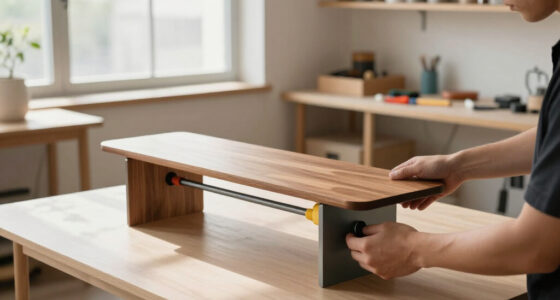
Woodturning combines craftsmanship, creativity, and precision, making it a rewarding hobby or profession. The best tools and guides can elevate your work, whether you’re just starting or refining your skills. The Hurricane 8-Piece Wood Lathe Chisel Set stands out as a versatile choice for most enthusiasts, offering a solid balance of quality and affordability. For those interested in artistic techniques, Woodturning with Resin provides innovative methods to create unique pieces. However, choosing the right equipment involves tradeoffs between price, complexity, and durability. Keep reading for a detailed breakdown of top options and what to consider before investing.

Get business pricing on tools and workshop supplies
- Business-only prices and quantity discounts
- Tax-exempt purchasing
- Multiple users, one account, clear invoices
Complete the kit


Key Takeaways
- The top-ranked tools balance ease of use with durability, making them ideal for both beginners and experienced turners.
- Guides with clear projects and step-by-step instructions help accelerate learning and build confidence.
- Premium tools often feature better materials and craftsmanship but come at a higher price point; assess your commitment level before investing.
- Specialized techniques like resin work require specific tools and safety considerations that differ from traditional woodturning.
- Choosing the right product depends heavily on your skill level, project goals, and how much you’re willing to invest in equipment.




| woodturning | Page Count | Publication Year | Format | Author |
|---|---|---|---|---|
| Turning Boxes with Friction-Fi | 128 pages | 2004 | Paperback | Patrick Spielman |
| Complete Starter Guide to Wood | 160 pages | 2019 | Paperback | Mike Darlow |
| Learn to Turn | 200 pages | 2018 | Paperback | Richard R. Raffan |
| Woodturning with Resin: Techni | 112 pages | 2020 | Hardcover | Chris Pye |
| Ellsworth on Woodturning: How | 320 pages | 2008 | Hardcover | David Ellsworth |
| Hurricane 8-Piece Wood Lathe C | — | — | — | — |
| Hautmec Professional Wood Turn | — | — | — | — |
| Weekend Woodturning Projects: | — | — | — | — |
| Carbide Tip Wood Lathe Turning | — | — | — | — |
| Taunton’s Complete Illustrated | — | — | — | — |
More Details on Our Top Picks
Turning Boxes with Friction-Fitted Lids (Schiffer Book for Woodturners)
This book stands out for its focus on creating functional, aesthetically pleasing boxes with friction-fitted lids, making it ideal for woodturners interested in small, detailed projects. Compared with comprehensive guides like Ellsworth on Woodturning, it emphasizes a specialized skill set with step-by-step instructions tailored to box making. The content is particularly useful for those looking to refine their finishing techniques and explore creative design, though it doesn’t cover larger or more complex vessels. Its detailed illustrations and clear guidance make it a go-to resource for hobbyists and intermediate turners aiming to add craftsmanship to simple projects. However, it’s not suitable for someone seeking broad foundational techniques or advanced vessel work, as it focuses narrowly on boxes.
Pros:- Detailed focus on box making and lid fitting techniques
- Clear step-by-step instructions with illustrations
- Encourages creative design and craftsmanship
Cons:- Limited coverage beyond box projects, lacking vessel or bowl techniques
- No digital content or online resources included
Best for: Woodturners who want to master creating elegant, friction-fitted boxes and develop fine detail skills.
Not ideal for: Beginners seeking a broad overview of all woodturning techniques or those interested in large-scale vessel projects.
- Page Count:128 pages
- Publication Year:2004
- Format:Paperback
- Author:Patrick Spielman
- Skill Level:Intermediate
- Focus Area:Boxes with friction-fitted lids
Our verdict“This guide is perfect for intermediate woodturners aiming to specialize in box and lid craftsmanship.”
Complete Starter Guide to Woodturning on the Lathe: Everything You Need to Know Plus 8 Projects
This book makes the most sense for newcomers to woodturning who want a comprehensive yet approachable introduction. It covers essential techniques with clarity, similar to Learn to Turn, but extends its value by including eight practical projects that offer hands-on learning. While it doesn’t include specific tools or detailed equipment lists, it provides a solid foundation for understanding lathe operation, safety, and finishing. Compared to more advanced guides like Ellsworth on Woodturning, it’s less intimidating and more focused on building confidence through simple projects. Its drawback is that it doesn’t address intermediate or advanced techniques, so experienced turners might find it too basic.
Pros:- Clear, step-by-step instructions suitable for beginners
- Includes 8 practical projects for hands-on practice
- Covers essential lathe safety and setup tips
Cons:- Lacks specific tool or equipment recommendations
- No detailed troubleshooting or advanced techniques
Best for: Beginner or casual woodturners looking for a complete, easy-to-follow guide with project ideas.
Not ideal for: Advanced turners seeking in-depth technical mastery or complex vessel projects.
- Page Count:160 pages
- Publication Year:2019
- Format:Paperback
- Author:Mike Darlow
- Skill Level:Beginner to Intermediate
- Focus:Basic techniques and 8 projects
Our verdict“This guide is ideal for beginners eager to learn the basics and start turning practical projects quickly.”
Learn to Turn, 3rd Edition Revised & Expanded: A Beginner’s Guide to Woodturning Techniques and 12 Projects
This guide is tailored for those new to woodturning, offering detailed, step-by-step instructions that demystify the process. Compared with the Complete Starter Guide, it provides more projects—12 in total—and emphasizes troubleshooting and technique refinement, making it a solid foundation for absolute beginners. Its revised edition includes expanded tips and clearer illustrations, but it doesn’t include specific tools or advanced finishing methods, limiting its scope for more experienced turners. While it’s excellent for those starting from scratch, it may lack enough depth for woodturners looking to expand into complex vessel or artistic work.
Pros:- Step-by-step instructions with detailed illustrations
- Includes 12 beginner-friendly projects
- Revised and expanded with updated techniques
Cons:- Does not include specific tools or detailed equipment lists
- Limited focus on advanced or artistic techniques
Best for: Absolute beginners seeking a thorough, easy-to-follow introduction with plenty of projects to practice basic skills.
Not ideal for: Experienced turners or those wanting advanced techniques for artistic or large-scale projects.
- Page Count:200 pages
- Publication Year:2018
- Format:Paperback
- Author:Richard R. Raffan
- Skill Level:Beginner
- Focus Area:Basic techniques with 12 projects
Our verdict“This book is perfect for beginners needing a comprehensive, project-based introduction to woodturning.”
Woodturning with Resin: Techniques & Projects for Turning Works of Art
This book offers creative insights into combining resin with woodturning, making it stand out for artists looking to craft unique, colorful pieces. While it provides useful techniques for resin application, it doesn’t match the technical depth of Ellsworth on Woodturning or the focused craftsmanship of Turning Boxes with Friction-Fitted Lids. Its content appears more geared toward artistic expression rather than comprehensive technical mastery, with limited info on tools or safety specifics. If you’re interested in artistic projects that push the boundaries of traditional woodturning, this book offers inspiring ideas, but it may leave those seeking technical fundamentals wanting more detailed guidance.
Pros:- Focuses on innovative techniques combining resin and wood
- Includes creative project ideas for artistic effects
- Suitable for experienced turners exploring new mediums
Cons:- Limited technical depth for beginners or technical mastery
- Lacks detailed instructions for basic woodturning techniques
Best for: Artistic woodturners eager to incorporate resin and create visually stunning, artistic pieces.
Not ideal for: Beginner turners seeking foundational skills or those interested in traditional vessel or bowl projects.
- Page Count:112 pages
- Publication Year:2020
- Format:Hardcover
- Author:Chris Pye
- Skill Level:Intermediate to Advanced
- Focus Area:Resin techniques and artistic projects
Our verdict“This guide is best suited for artists wanting to expand their craft with resin-enhanced projects and creative techniques.”
Ellsworth on Woodturning: How a Master Creates Bowls, Pots, and Vessels
This book offers a detailed, master-level approach to creating bowls, pots, and vessels, making it a definitive resource for serious practitioners. With over 400 instructional photos, it surpasses many other guides like Learn to Turn in visual clarity and depth. Ellsworth’s expert tips cover advanced techniques, tool sharpening, and finishing methods that elevate a turner’s craft. The comprehensive nature makes it less suitable for complete beginners, but it provides the depth needed for those aiming to refine their skills or master complex projects. Its main tradeoff is the lack of introductory content, so absolute novices might find it overwhelming without prior experience.
Pros:- Extensive collection of over 400 instructional photos
- In-depth techniques for mastering bowls and vessels
- Expert tips for tool sharpening and finishing
Cons:- Not suitable for beginners due to advanced content
- No digital or online content included
Best for: Experienced woodturners seeking a comprehensive, detailed guide to refining their vessel and bowl-making skills.
Not ideal for: Beginners or casual hobbyists looking for basic instruction or simple projects.
- Page Count:320 pages
- Publication Year:2008
- Format:Hardcover
- Author:David Ellsworth
- Skill Level:Advanced
- Focus Area:Bowls, pots, vessels, master techniques
Our verdict“This resource is essential for experienced turners dedicated to perfecting their craft and exploring advanced techniques.”
Hurricane 8-Piece Wood Lathe Chisel Set with Hardwood Handles
This 8-piece set from Hurricane is tailored for hobbyists starting out in woodturning, offering essential tools with high-speed steel blades that stay sharp through repeated use. Compared with the Hautmec set, it covers core shaping needs and includes a sturdy wooden case, making it easier to keep organized. Its hardwood handles provide good vibration dampening, translating into less fatigue during longer sessions. However, the set is primarily suited for basic projects and doesn’t include specialized tools for intricate carving, limiting its scope for advanced turners. Overall, this set makes the most sense for beginners and hobbyists who want reliable tools without the complexity of professional-grade equipment.
Pros:- Versatile set covering fundamental woodturning needs
- High-speed steel blades offer long-lasting sharpness
- Ergonomic hardwood handles reduce vibration and fatigue
- Includes a durable wooden storage case
Cons:- Designed mainly for hobbyist and beginner use, limiting scope
- Limited to basic shaping and carving tasks, lacking specialized tools
Best for: Beginners and hobbyists who need a versatile, affordable starter set for general woodturning projects
Not ideal for: Advanced turners or professionals seeking specialized tools for detailed or large-scale work
- Number of Pieces:8
- Blade Material:M2 High-Speed Steel
- Handle Length:10 inches
- Total Length:16.3 inches
- Includes:Protective wooden box
Our verdict“This set is ideal for beginners and hobbyists looking for reliable, all-around tools to develop their skills.”
Hautmec Professional Wood Turning Chisel Set, 8 pcs
The Hautmec 8-piece set distinguishes itself with high-quality chromium-vanadium steel blades that stay sharp and provide excellent edge retention, making it suitable for both hobbyists and professional turners. Compared to the Hurricane set, Hautmec’s tools are more refined and include a broader range of chisel types like skew, gouge, and parting tools, which support more complex projects. The hardwood handles are comfortable and reduce fatigue during extended use, but the set lacks a dedicated storage case, which could make organization more challenging. This pick is better suited for those who want durable, ready-to-use tools capable of handling detailed work and longer sessions.
Pros:- High-quality, triple tempered chromium-vanadium steel blades
- Sharp, ready-to-use tools with minimal sharpening required
- Comfortable hardwood handles reduce operator fatigue
- Suitable for detailed carving and professional projects
Cons:- No included storage case, less convenient for organization
- Limited to woodworking and carving, not ideal for general or rough shaping
Best for: Intermediate to advanced woodturners and professionals seeking high-quality, durable chisels for detailed work
Not ideal for: Beginners or casual hobbyists who don’t need such a broad range of tools or high-end steel
- Number of Pieces:8
- Material:Triple tempered chromium-vanadium steel
- Handle Material:Hardwood
- Included Tools:Skew, Spear Point, Parting, Round Nose, Gouges
Our verdict“This set is perfect for serious woodturners who value durability and precision over affordability or basic functionality.”
Weekend Woodturning Projects: 25 Simple Projects for the Home
This book makes a solid addition for those who want quick, achievable projects to practice and improve their woodturning skills. It offers clear, step-by-step instructions for 25 projects, focusing on functional and decorative items suitable for home use. Unlike tool-focused guides, it’s ideal for hobbyists who already have basic equipment and want guided project ideas. Its main limitation is the lack of specific material lists, which could complicate planning for beginners. This resource makes the most sense for weekend DIYers who want straightforward projects and easy-to-follow instructions without deep technical details.
Pros:- Provides 25 accessible, simple projects
- Clear, step-by-step instructions suitable for novices
- Ideal for weekend crafting and quick results
Cons:- No detailed materials list, requiring prior planning
- Limited scope for complex or professional-quality projects
Best for: Weekend woodturning enthusiasts seeking simple, practical project ideas for home décor or gifts
Not ideal for: Advanced turners or those looking for detailed technical guidance or complex projects
Our verdict“This book is best for casual woodturners eager to complete straightforward projects over weekends with minimal fuss.”
Carbide Tip Wood Lathe Turning Tool set With Bowl sander, Lathe Roughing and Finishing Hollowing Tool Interchangeable Aluminum Alloy Handle with 8pcs Carbide Inserts For Woodturning
This carbide tip set offers a modern, high-efficiency solution for woodturners who prioritize speed and ease of use. The interchangeable carbide inserts allow for quick, consistent cuts and easy replacement, reducing downtime compared to traditional steel tools. The inclusion of a bowl sander adds versatility for finishing projects. However, the set’s bulkier aluminum alloy handles and carbide inserts may lack the finesse needed for delicate detail work, making it more suitable for rough shaping and large projects. Compared to the traditional honing needs of the Hautmec or Hurricane sets, this one minimizes maintenance but at the expense of finesse.
Pros:- Interchangeable carbide inserts for quick tool changes
- CNC-machined square stainless steel shafts for strength and durability
- Includes a bowl sander for finishing surfaces efficiently
- Ergonomic handles for comfortable use
Cons:- Less suitable for fine detail work or delicate carving
- Bulkier design may hinder precision in intricate projects
Best for: Turners focused on rapid material removal and large-scale projects, especially those who value time-saving tools
Not ideal for: Turners seeking fine detail work or traditional craftsmanship, as carbide tools are less forgiving for intricate carving
Our verdict“This set is well-suited for users who prioritize fast, rough shaping and finishing over finesse or highly detailed work.”
Taunton’s Complete Illustrated Guide to Turning: Richard Raffan’s Ultimate Guide
This book stands out as a definitive resource, offering both foundational techniques and advanced skills for woodturning enthusiasts. Compared with project-focused guides like the Weekend Projects book, it provides in-depth explanations, detailed illustrations, and a broad range of topics suitable for all skill levels. While it doesn’t include specific tools or specifications, its comprehensive content makes it invaluable for those serious about honing craftsmanship. However, absolute beginners might find some sections too technical without prior experience. Overall, this guide is best for dedicated turners seeking a deep understanding to refine their skills and expand their project repertoire.
Pros:- Detailed instructions suitable for all skill levels
- Includes comprehensive illustrations and techniques
- A valuable resource for improving craftsmanship
Cons:- Lacks specific product features or step-by-step project plans
- Content may be too advanced for complete novices
Best for: Serious hobbyists and intermediate to advanced turners wanting an in-depth technical reference
Not ideal for: Absolute beginners seeking simple, quick-start guides or project plans without technical detail
Our verdict“This guide is best for committed turners aiming to deepen their technical knowledge and improve their craft.”

How We Picked
Products in this roundup were selected based on a combination of performance, build quality, usability, and versatility. We prioritized items that deliver consistent results and are suitable for a range of skill levels, from beginners to advanced turners. Guides and books were evaluated for clarity, project variety, and instructional depth, ensuring they support a wide spectrum of learning needs. Tools and sets were assessed by their material quality, ergonomic design, and whether they provide good value for their price. The ranking reflects a balance between affordability, durability, and suitability for different types of projects, ensuring every buyer finds a fitting option.
| woodturning | Format | Author | Skill Level |
|---|---|---|---|
| Turning Boxes with Friction-Fi | Paperback | Patrick Spielman | Intermediate |
| Complete Starter Guide to Wood | Paperback | Mike Darlow | Beginner to Intermediate |
| Learn to Turn | Paperback | Richard R. Raffan | Beginner |
| Woodturning with Resin: Techni | Hardcover | Chris Pye | Intermediate to Advanced |
| Ellsworth on Woodturning: How | Hardcover | David Ellsworth | Advanced |
| Hurricane 8-Piece Wood Lathe C | — | — | — |
| Hautmec Professional Wood Turn | — | — | — |
| Weekend Woodturning Projects: | — | — | — |
| Carbide Tip Wood Lathe Turning | — | — | — |
| Taunton’s Complete Illustrated | — | — | — |
Factors to Consider When Choosing Woodturning
When selecting woodturning equipment or guides, understanding key factors can help you make informed decisions that match your skills and goals. The right tools should feel comfortable, last through repeated use, and suit the types of projects you want to undertake. Equally, choosing a good instructional guide can save time and frustration, transforming beginners into confident turners. Recognizing your priorities—whether ease of use, artistic versatility, or professional durability—will lead to better choices and more satisfying results.
Skill Level and Project Scope
Assess your current skill level before choosing tools or guides. Beginners should look for comprehensive instructions and forgiving tools, while experienced turners might prioritize precision and durability. The scope of your projects also influences your choices; small decorative pieces require different equipment than larger bowls or artistic sculptures. Avoid overly complex tools if you’re just starting, as they can hinder learning and lead to frustration. Conversely, advanced equipment can unlock new techniques but may overwhelm novices.
Tool Material and Ergonomics
The quality of tool materials impacts both performance and longevity. High-carbon steel and carbide tips tend to stay sharper longer and handle tougher woods better. Ergonomic handles improve comfort during extended use, reducing fatigue and injury risk. Cheaper tools often compromise on grip and balance, which can diminish precision. Investing in well-designed, comfortable tools pays off in smoother operation and better results, especially for frequent use or detailed projects.
Versatility and Expandability
Consider whether the tools or guides can adapt to different projects or be expanded over time. Sets with multiple chisel shapes and sizes offer greater flexibility, enabling you to explore various techniques. For guides, look for those covering a range of projects, from simple to advanced, to keep learning. Modular tools that can be upgraded or combined with accessories provide more value and future-proof your investment. However, more versatile equipment might come at a higher initial cost, so balance your current needs with potential growth.
Price and Long-Term Value
While budget is always a concern, focusing solely on price can lead to dissatisfaction if the tools break or underperform. High-quality tools tend to cost more upfront but last longer and produce better results, reducing replacement costs. For guides, investing in well-reviewed, comprehensive books or courses can accelerate learning and improve outcomes. Be wary of very cheap options that compromise on materials or instructional clarity. Prioritize value—consider how much use you’ll get and whether the product meets your specific needs.
Safety and Maintenance
Woodturning involves sharp tools and spinning machinery, so safety should be a priority. Look for tools with secure, comfortable grips and guards where applicable. Proper maintenance, including sharpening and cleaning, extends the lifespan of your equipment. Choosing tools that are easy to sharpen or maintain can save time and frustration. Always follow safety guidelines, especially when working with resin or other materials that may pose additional hazards. Investing in safety gear is equally important for a safe, enjoyable experience.
Frequently Asked Questions
What is the best tool set for beginners in woodturning?
A good starter set for beginners should include versatile chisels like gouges and skews, with ergonomic handles for comfortable use. Sets that cover basic types of cuts and are made from durable materials like high-carbon steel are ideal. The Hurricane 8-Piece Wood Lathe Chisel Set offers a solid balance of quality and affordability, making it a popular choice for newcomers. Prioritize ease of use and safety features when selecting your initial set to build confidence and skill quickly.
Should I invest in a professional-grade lathe or start with a simpler model?
If you’re committed to serious woodturning and plan to undertake larger or more complex projects, investing in a professional-grade lathe makes sense. These models offer better stability, power, and precision, which can improve your results and reduce frustration. However, for beginners or hobbyists with limited space, a simpler, more affordable lathe can provide sufficient capability while allowing you to learn fundamental techniques. Upgrading later becomes easier if you start with a basic model and develop your skills.
How important are instructional guides and books for learning woodturning?
High-quality guides and instructional books are invaluable for mastering techniques and understanding safety procedures. They provide structured learning paths and project ideas that can accelerate skill development. For beginners, step-by-step instructions and visual aids help demystify the process and reduce mistakes. Even experienced turners benefit from advanced guides that introduce new methods or artistic concepts. Choosing well-reviewed, comprehensive resources ensures you gain accurate knowledge and build confidence as you progress.
Are carbide tools better than traditional steel chisels?
Carbide tools are known for their durability and ability to cut through hard woods with less frequent sharpening, making them appealing for busy or less experienced turners. However, they often lack the finesse and control of traditional high-carbon steel chisels, which can be sharpened to a finer edge for detailed work. The choice depends on your projects and preferences; carbide tools excel in roughing and heavy cuts, while steel tools are preferred for finishing and detailed carving. Balancing both types can expand your capabilities.
What safety precautions should I take when working with resin in woodturning?
Using resin in woodturning introduces additional safety considerations due to fumes and chemical handling. Always work in a well-ventilated area and wear a respirator or mask to avoid inhaling fumes. Gloves protect your skin from resin contact, which can cause irritation. Proper disposal of resin waste and cleaning tools thoroughly reduces chemical exposure. Following manufacturer instructions and safety data sheets ensures safe handling, and using protective eyewear guards against splashes or debris during turning enhances safety overall.
Conclusion
For most hobbyists and those just starting out, the Hurricane 8-Piece Wood Lathe Chisel Set offers a reliable, affordable entry point. Those seeking to explore artistic techniques, like resin work, should consider specialized guides such as Woodturning with Resin. If durability and professional results are your priorities, investing in premium tools like high-end carbide or steel chisels makes sense. Beginners will benefit from comprehensive instructional guides, while experienced turners should look for expandability and precision. Ultimately, your choice should align with your skill level, project ambitions, and how much you’re willing to invest in your craft.
Halloween Picks
halloween
As an affiliate, we earn on qualifying purchases.