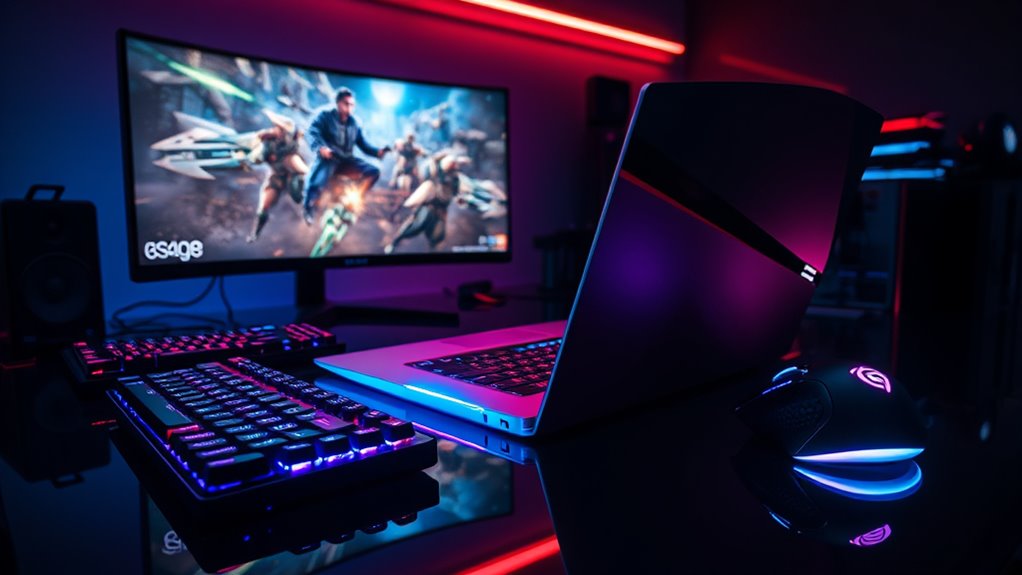

Choosing the right gaming laptop in 2026 means balancing performance, portability, and price. The ASUS TUF Gaming F16 offers a solid mix of high refresh rate and power, making it ideal for gamers who prioritize smooth visuals and multitasking. The ASUS TUF 16” WUXGA provides a more budget-friendly yet capable option, perfect for those wanting good performance without the premium price. Meanwhile, the MSI Crosshair 18 HX stands out with its ultra-fast display and top-tier CPU, suited for gamers who demand maximum power and clarity. Each has tradeoffs—battery life, weight, and VRAM limitations—that buyers should consider based on their priorities.

Get business pricing on tools and workshop supplies
- Business-only prices and quantity discounts
- Tax-exempt purchasing
- Multiple users, one account, clear invoices
Complete the kit


Key Takeaways
- The ASUS TUF Gaming F16 balances high refresh rate display with a powerful Intel CPU and RTX 5050, suited for immersive gaming and multitasking.
- The ASUS TUF 16” WUXGA offers a more affordable option with a strong AMD Ryzen processor and a bundled USB hub, but lacks touchscreen features.
- The MSI Crosshair 18 HX is best for high-end gaming with its 240Hz QHD+ display and 24-core CPU, though it’s heavier and more expensive.
- Battery life varies widely and is not always specified, so consider your mobility needs carefully.
- Connectivity options like Thunderbolt 4 and high refresh rates are common among these picks, but VRAM limits may impact ultra-settings in the most demanding titles.
| ASUS TUF Gaming F16 5050 Gaming Laptop, Intel Core i5-13450HX, 16″ FHD+ 165Hz, GeForce RTX 5050, 16GB DDR5, 1TB SSD, RGB Backlit Keyboard, IR Camera, HDMI, Windows 11 Home |  | Best Overall for Performance and Versatility | Display: 16-inch FHD+ 165Hz Anti-Glare | Processor: Intel Core i5-13450HX (10 cores, 16 threads, 2.4 GHz up to 4.6 GHz) | Graphics: NVIDIA GeForce RTX 5050 (8GB GDDR7) | VIEW ON AMAZON | See Our Full Breakdown |
| ASUS TUF 16” WUXGA 144Hz Gaming Laptop with AMD Ryzen 7 7445HS, NVIDIA GeForce RTX 4050, 16GB DDR5, 512GB SSD, Windows 11 Home, Bundle with USB 3.0 Hub |  | Best Value with Solid Performance | Display: 16-inch WUXGA 144Hz | Processor: AMD Ryzen 7 7445HS, 3.55 GHz up to 4.7 GHz | Graphics: NVIDIA GeForce RTX 4050 6GB GDDR6 | VIEW ON AMAZON | See Our Full Breakdown |
| MSI Crosshair 18 HX AI 18″ Gaming Laptop |  | Best for High-End Performance and Advanced Features | Screen Size: 18 inches | Resolution: 2560 x 1600 (QHD+) | Refresh Rate: 240Hz | VIEW ON AMAZON | See Our Full Breakdown |
| gaming laptops and accessorie | Processor | Graphics | RAM | Storage |
|---|---|---|---|---|
| ASUS TUF Gaming F16 5050 Gamin | Intel Core i5-13450HX (10 cores, 16 threads, 2.4 GHz up to 4.6 GHz) | NVIDIA GeForce RTX 5050 (8GB GDDR7) | 16GB DDR5 | 1TB PCIe NVMe M.2 SSD |
| ASUS TUF 16” WUXGA 144Hz Gamin | AMD Ryzen 7 7445HS, 3.55 GHz up to 4.7 GHz | NVIDIA GeForce RTX 4050 6GB GDDR6 | 16GB DDR5 | 512GB SSD |
| MSI Crosshair 18 HX AI 18" Gam | Intel Core Ultra 9 275HX, 24 cores, up to 5.4 GHz | NVIDIA GeForce RTX 5070 8GB GDDR7 | 16GB DDR5 5600MHz | 1TB NVMe SSD |
More Details on Our Top Picks
ASUS TUF Gaming F16 5050 Gaming Laptop, Intel Core i5-13450HX, 16″ FHD+ 165Hz, GeForce RTX 5050, 16GB DDR5, 1TB SSD, RGB Backlit Keyboard, IR Camera, HDMI, Windows 11 Home
This model stands out for its high-refresh-rate 16-inch display with G-Sync and a capable Intel Core i5-13450HX processor paired with RTX 5050 graphics, making it suitable for both gaming and multitasking. Compared with the MSI Crosshair, it’s less powerful in raw CPU terms but offers a more balanced approach with less weight and cost. It’s a good fit for gamers who want a reliable all-rounder without the extreme price tag of premium options. The main tradeoff is its unspecified battery life, which can vary significantly with usage, and the bulky design typical of gaming laptops. Still, it offers excellent connectivity for its class, including Thunderbolt 4 and HDMI.
Pros:- High-refresh-rate 16-inch display with G-Sync for smooth visuals
- Powerful Intel Core i5-13450HX processor and RTX 5050 GPU
- Fast 1TB SSD and 16GB DDR5 RAM for responsive performance
- Versatile connectivity options including Thunderbolt 4 and HDMI
Cons:- Battery life not specified, may be variable
- Heavy and bulky design
- Price could be high depending on configuration
Best for: Gamers wanting a versatile, high-performance machine for both gaming and productivity
Not ideal for: Those needing ultra-light portability or extended battery life
- Display:16-inch FHD+ 165Hz Anti-Glare
- Processor:Intel Core i5-13450HX (10 cores, 16 threads, 2.4 GHz up to 4.6 GHz)
- Graphics:NVIDIA GeForce RTX 5050 (8GB GDDR7)
- RAM:16GB DDR5
- Storage:1TB PCIe NVMe M.2 SSD
- Connectivity:Thunderbolt 4, USB 3.2 Gen 2, HDMI, Wi-Fi 6
Our verdict“A well-rounded gaming laptop offering strong performance for both gaming and multitasking, suitable for most users who prioritize versatility.”
ASUS TUF 16” WUXGA 144Hz Gaming Laptop with AMD Ryzen 7 7445HS, NVIDIA GeForce RTX 4050, 16GB DDR5, 512GB SSD, Windows 11 Home, Bundle with USB 3.0 Hub
This option makes the most sense for gamers seeking a balance of performance and affordability. The 16-inch WUXGA display with a 144Hz refresh rate offers smooth visuals, especially with G-SYNC support. The AMD Ryzen 7 7445HS processor provides strong multitasking and gaming power, comparable in many ways to the Intel i5 but often at a lower price point. The RTX 4050 GPU, while slightly less capable than the RTX 5050, still handles most modern titles well. The bundled USB 3.0 hub adds value for users with many peripherals. Its main drawback is its weight—at nearly 5 pounds—and the lack of a touchscreen. Additionally, battery life details are sparse, so portability might be limited for on-the-go gaming.
Pros:- High-refresh-rate 16-inch display with G-SYNC
- Powerful AMD Ryzen 7 and RTX 4050 GPU
- Includes a convenient USB hub for expanded connectivity
- Good value for the performance offered
Cons:- No touchscreen feature
- Relatively heavy for portable use
- Battery life details are not specified
Best for: Budget-conscious gamers needing solid performance
Not ideal for: Users wanting a lightweight or touchscreen device
- Display:16-inch WUXGA 144Hz
- Processor:AMD Ryzen 7 7445HS, 3.55 GHz up to 4.7 GHz
- Graphics:NVIDIA GeForce RTX 4050 6GB GDDR6
- RAM:16GB DDR5
- Storage:512GB SSD
- Connectivity:HDMI v2.1, USB 3.2 Gen 1 & 2, USB-C, Headphone Jack
Our verdict“An excellent all-around choice for gamers on a budget who still want good gaming performance and connectivity options.”
MSI Crosshair 18 HX AI 18″ Gaming Laptop
This laptop is made for gamers who demand maximum power, featuring an Intel Core Ultra 9 275HX with 24 cores and RTX 5070 graphics, making it a top-tier choice. Its 240Hz QHD+ display with 100% DCI-P3 ensures stunning visuals, ideal for those who want ultra-clear imagery and high frame rates. The 18-inch screen, combined with a fast 5600MHz DDR5 RAM, offers a premium experience, especially for serious gamers or content creators. Its extensive connectivity, including Thunderbolt 4 and Wi-Fi 6E, coupled with a high-quality keyboard and quad Dynaudio speakers, makes it a powerhouse. The main tradeoff is its weight, approaching 6 pounds, and the RTX 5070’s 8GB VRAM may not be enough for the most demanding settings in some AAA titles. Also, its premium build and features come with a higher price.
Pros:- Powerful 24-core Intel Core Ultra 9 processor
- High-refresh 240Hz QHD+ display with DCI-P3 coverage
- RTX 5070 GPU with ray tracing and AI frame rates
- Rich connectivity, including Thunderbolt 4 and Wi-Fi 6E
Cons:- RTX 5070’s 8GB VRAM may limit ultra settings
- Heavy weight for portability
- Higher price point
Best for: High-end gamers and content creators needing maximum processing power
Not ideal for: Those seeking lightweight portability or on a tight budget
- Screen Size:18 inches
- Resolution:2560 x 1600 (QHD+)
- Refresh Rate:240Hz
- Processor:Intel Core Ultra 9 275HX, 24 cores, up to 5.4 GHz
- Graphics:NVIDIA GeForce RTX 5070 8GB GDDR7
- RAM:16GB DDR5 5600MHz
- Storage:1TB NVMe SSD
Our verdict“A top-tier gaming laptop suited for those who want the best visuals and processing power, accepting the tradeoffs of weight and cost.”
How We Picked
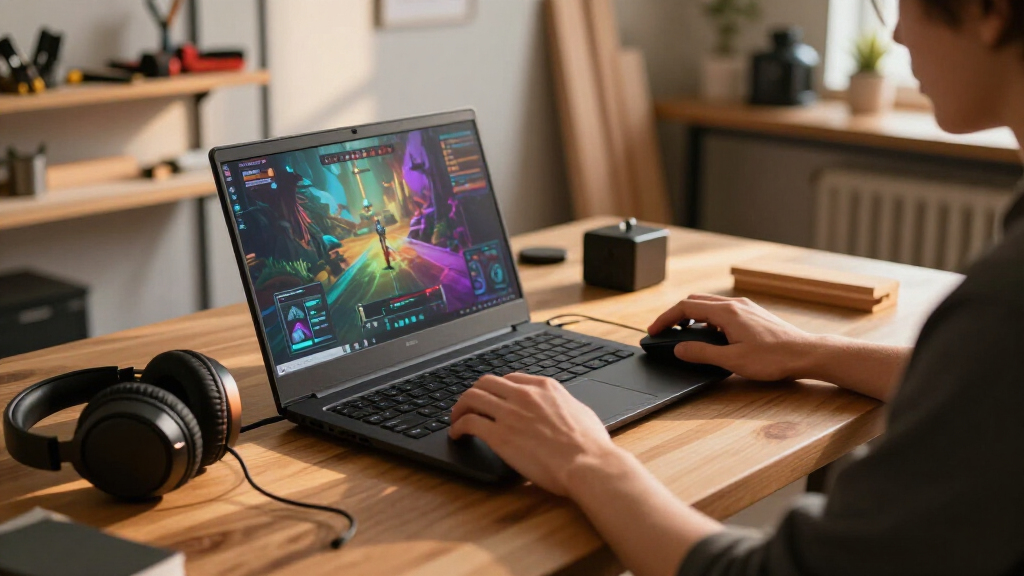
Our choices are based on a combination of performance metrics, display quality, connectivity, and value. We prioritized recent hardware like RTX 5050/4050/5070 GPUs, high refresh rate screens, and processors that balance power and efficiency. We also considered portability, build quality, and user feedback on real-world use, aiming to recommend options for various budgets and gaming styles. Each product was evaluated against alternatives to highlight different strengths like affordability, premium features, or raw power.
| gaming laptops and accessorie | Processor | Graphics | Connectivity |
|---|---|---|---|
| ASUS TUF Gaming F16 5050 Gamin | Intel Core i5-13450HX (10 cores, 16 threads, 2.4 GHz up to 4.6 GHz) | NVIDIA GeForce RTX 5050 (8GB GDDR7) | Thunderbolt 4, USB 3.2 Gen 2, HDMI, Wi-Fi 6 |
| ASUS TUF 16” WUXGA 144Hz Gamin | AMD Ryzen 7 7445HS, 3.55 GHz up to 4.7 GHz | NVIDIA GeForce RTX 4050 6GB GDDR6 | HDMI v2.1, USB 3.2 Gen 1 & 2, USB-C, Headphone Jack |
| MSI Crosshair 18 HX AI 18" Gam | Intel Core Ultra 9 275HX, 24 cores, up to 5.4 GHz | NVIDIA GeForce RTX 5070 8GB GDDR7 | — |
Factors to Consider When Choosing Gaming Laptops And Accessories
When shopping for a gaming laptop, consider what matters most to your gaming and lifestyle needs. Performance, display quality, portability, and connectivity all play vital roles. Paying attention to GPU power, processor capabilities, and refresh rates will impact your gaming experience, while battery life and weight influence mobility. Here, I break down the key factors to help you decide which features align with your priorities.
Performance Power
The core of any gaming laptop is its CPU and GPU. For high-end gaming, look for recent RTX or RTX-equivalent graphics and multi-core processors. The MSI Crosshair offers the most CPU cores and a 240Hz QHD+ display for crisp visuals, but it also comes with a premium price and weight. The ASUS TUF models balance power and price with RTX 5050 or 4050 GPUs, suitable for most gamers, while the AMD-based ASUS TUF 16” provides good value with comparable performance at a lower cost.
Display Quality and Refresh Rate
A high-refresh-rate display, typically 144Hz or higher, ensures smooth gameplay, especially in fast-paced titles. The MSI’s 240Hz QHD+ screen is ideal for competitive gaming and immersive visuals. The ASUS TUF F16’s 165Hz display strikes a good balance, while the ASUS TUF 16” WUXGA’s 144Hz screen still offers fluid motion at a more affordable price. Consider your preferred resolution and whether you prioritize ultra-high refresh rates or a balance of clarity and responsiveness.
Portability and Battery Life
Gaming laptops tend to be heavier and have shorter battery lives, especially with high-performance components. The MSI Crosshair is the heaviest, making it less portable for travel or commuting. The ASUS TUF models are lighter, but battery life is often not specified or varies greatly. If mobility is a priority, look for models with efficient power management or consider a lighter, less powerful machine for casual gaming on the go.
Frequently Asked Questions
How important is a high refresh rate for gaming?
A high refresh rate, such as 144Hz or higher, can significantly improve your gaming experience by providing smoother motion and reducing motion blur. This is especially noticeable in fast-paced competitive games like shooters or racing titles. While it enhances visual fluidity, it also demands more from your GPU, so pairing it with a capable graphics card is essential for the best results.
Should I prioritize a higher-end GPU or a faster CPU?
The answer depends on your gaming preferences. For graphically intensive titles with stunning visuals, a powerful GPU like the RTX 5070 or RTX 5050 is critical. However, if you play titles that benefit from multi-core processing or multitasking, a high-end CPU like the MSI’s 24-core processor will provide a noticeable boost. For most gamers, a balanced approach with a good GPU and CPU will deliver the best overall experience.
Is a larger screen always better for gaming?
Not necessarily. While larger screens like the MSI’s 18 inches provide more immersive visuals, they also add weight and may reduce portability. Smaller screens, such as 15 or 16 inches, are easier to carry and often have better battery life, but might sacrifice some immersion. Your choice should reflect whether portability or immersive visuals is your priority.
How much should I spend on a gaming laptop?
Prices vary widely based on performance, features, and brand. A capable mid-range gaming laptop with a GTX or RTX 4050/5050 GPU, decent CPU, and a good display can start around $1,000. High-end models with top-tier GPUs, large displays, and premium features, such as the MSI Crosshair, can exceed $2,000. Setting a clear budget based on your gaming needs and expected use will help narrow your options effectively.
Are bundled accessories like hubs or keyboards worth it?
Bundled accessories such as USB hubs or gaming keyboards can add value, especially if they expand connectivity or improve your gaming setup. The ASUS TUF 16” bundle with a USB hub is a good example. However, consider the quality of these extras—sometimes, investing in dedicated peripherals separately can provide a better experience. Weigh the convenience of bundled items against your specific needs and upgrade plans.
Conclusion
For gamers seeking an all-around machine with balanced performance and portability, the ASUS TUF Gaming F16 makes a compelling choice. If budget-conscious yet capable gaming is your goal, the ASUS TUF 16” WUXGA delivers excellent value. Those demanding maximum performance, crisp visuals, and premium features will find the MSI Crosshair 18 HX to be the best fit, albeit with a higher price tag and weight. Consider your gaming style, portability needs, and budget to pick the right model for you.
Halloween Picks
halloween
As an affiliate, we earn on qualifying purchases.