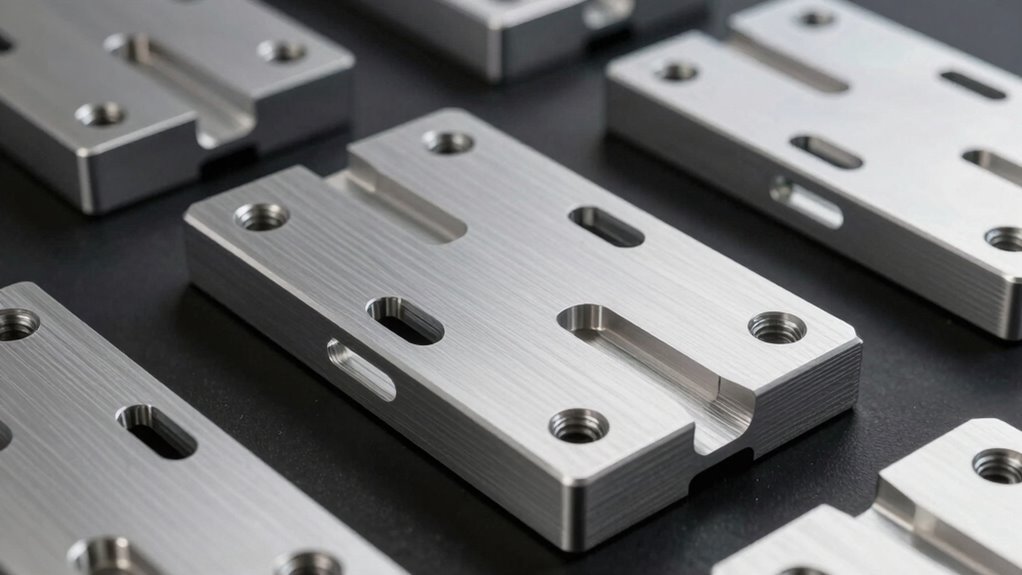

Choosing the right fixture plate for CNC machining can significantly impact your workflow, accuracy, and ease of setup. For 2026, three standout options emerge: the 16x16x0.8 inch Aluminum Fixture Plate offers robust durability for versatile tasks; the 10″ x 10″ x 1/2″ Aluminum Fixture Plate provides a flexible threaded grid ideal for heavy-duty applications; and the 10x10x0.8 inch Aluminum Jig delivers precise positioning in a compact form. Each comes with unique tradeoffs around size, weight, and setup complexity, so understanding these differences is key to making an informed decision.

Get business pricing on tools and workshop supplies
- Business-only prices and quantity discounts
- Tax-exempt purchasing
- Multiple users, one account, clear invoices
Complete the kit

Key Takeaways
- The 16×16 inch plate excels in durability and larger workspace, but is less portable.
- The 10-inch plates are more compact, with the 1/2″ version offering high stability for heavy-duty use.
- Threaded hole configurations vary, impacting flexibility and setup speed.
- Weight and size influence ease of handling and compatibility with existing fixtures.
- Pricing and included accessories differ, affecting overall value.
| 16x16x0.8 inch Aluminum 6061 Fixture Plate for CNC Machining |  | Best Overall for Versatility and Size | Material: 6061 Aluminum | Dimensions: 16″ x 16″ x 0.8″ | Positioning Hole Diameter: 8mm | VIEW ON AMAZON | See Our Full Breakdown |
| 10″ x 10″ x 1/2″ 6061 Aluminum CNC Fixture Plate with 1/4-20 Threaded Holes |  | Best for Heavy-Duty Industrial Use | Size: 10″ x 10″ x 1/2″ | Material: 6061 Aluminum | Threaded Holes: 1/4-20 | VIEW ON AMAZON | See Our Full Breakdown |
| 10x10x0.8 inch Aluminum 6061 Fixture Plate Jig for CNC Machining |  | Best for Precise Positioning in Compact Size | Material: 6061 aluminum | Dimensions: 10″ x 10″ x 0.8″ | Hole Size: 8mm | VIEW ON AMAZON | See Our Full Breakdown |
| cnc workholding fixture plate | Material | Dimensions | Threaded Holes |
|---|---|---|---|
| 16x16x0.8 inch Aluminum 6061 F | 6061 Aluminum | 16" x 16" x 0.8" | — |
| 10" x 10" x 1/2" 6061 Aluminum | 6061 Aluminum | — | 1/4-20 |
| 10x10x0.8 inch Aluminum 6061 F | 6061 aluminum | 10" x 10" x 0.8" | 1/4-20 |
More Details on Our Top Picks
16x16x0.8 inch Aluminum 6061 Fixture Plate for CNC Machining
This fixture plate is a standout for those needing a larger workspace combined with durable construction. Made from anodized 6061 aluminum, it offers resistance to corrosion and wear, making it suitable for prolonged industrial use. The inclusion of mounting bolts and pins simplifies setup, especially for complex projects requiring precise positioning. Compared with smaller plates, its size provides greater flexibility in holding multiple parts or larger workpieces, but this also means it’s heavier and less portable. Its hole and threading options are specific, which can limit certain setups but generally accommodate most standard fixtures.
Pros:- Large workspace with 16×16 inches
- Durable anodized aluminum construction
- Includes mounting hardware for quick setup
Cons:- Heavy and less portable
- Limited to specific hole sizes and configurations
- Higher price due to size
Best for: Large-scale machining, mold fitting, and multi-part setups
Not ideal for: Portable applications or small, detailed work
- Material:6061 Aluminum
- Dimensions:16″ x 16″ x 0.8″
- Positioning Hole Diameter:8mm
- Threaded Hole Size:1/4-20
- Number of Bolts:4
- Number of Pins:3
Our verdict“A robust choice for machining large parts or versatile setups, though its weight and size may limit mobility.”
10″ x 10″ x 1/2″ 6061 Aluminum CNC Fixture Plate with 1/4-20 Threaded Holes
This fixture plate stands out for its high-density threaded grid, making it especially adaptable for various workholding setups. Its 10×10 inch size offers a good balance between workspace and portability, while the 1/2″ thickness adds stability for demanding machining operations. Constructed from durable 6061 aluminum, it resists corrosion and withstands tough environments. The threaded holes ensure fast setup and repeatability, ideal for production runs. However, its weight can hinder portability, and it requires compatible clamps or jigs, which may add to setup time for newcomers.
Pros:- Sturdy 1/2″ thick aluminum for stability
- Flexible threaded grid for diverse setups
- Corrosion-resistant and durable
Cons:- Heavy for portable or small workshop use
- Requires compatible clamps or jigs
- More expensive due to industrial-grade features
Best for: Heavy-duty milling, drilling, and welding in industrial settings
Not ideal for: Light, detail-oriented tasks requiring smaller fixtures
- Size:10″ x 10″ x 1/2″
- Material:6061 Aluminum
- Threaded Holes:1/4-20
Our verdict“Ideal for high-volume, heavy-duty machining, though its weight and setup complexity can challenge smaller shops.”
10x10x0.8 inch Aluminum 6061 Fixture Plate Jig for CNC Machining
This fixture plate is designed for precise setups in a compact form, making it suitable for detailed CNC work or small batch production. Made from anodized 6061 aluminum, it offers durability and resistance to wear. The 10×10 inch dimensions make it easy to handle and integrate into existing fixtures, while the precision holes and threaded mounting points support accurate positioning. Compared to larger plates, it’s less versatile for big parts but excels in environments where space and accuracy are priorities. Its limited size and specific hole configurations may restrict some complex setups, and additional tools might be needed to fully utilize its potential.
Pros:- Compact and easy to handle
- Precise positioning holes and threaded mounts
- Durable anodized finish
Cons:- Limited to specific dimensions and hole sizes
- Less suitable for large or heavy parts
- Requires additional tools for full setup
Best for: Detailed CNC projects, small parts, and precise positioning
Not ideal for: Large-scale machining or projects requiring bigger fixtures
- Material:6061 aluminum
- Dimensions:10″ x 10″ x 0.8″
- Hole Size:8mm
- Threaded Holes:1/4-20
- Includes:4 mounting bolts, 3 pins
Our verdict“A strong option for precision-oriented tasks in tight spaces, though its size limits broader applications.”

How We Picked
Our selection process focused on products that balance durability, versatility, and ease of use. We prioritized aluminum fixture plates made from high-quality 6061 aluminum, known for strength and corrosion resistance. The size and hole configurations were scrutinized for compatibility with common machining setups, while user reviews helped gauge reliability and ease of adjustment. We also considered price point and included accessories, aiming to recommend options suited for a range of machining tasks and skill levels.
Factors to Consider When Choosing Cnc Workholding Fixture Plate
Choosing the right CNC workholding fixture plate depends on your specific machining needs, workspace constraints, and the types of projects you regularly handle. Understanding key features like size, hole configuration, material, and compatibility can help you select a fixture that enhances accuracy and reduces setup time. This guide breaks down what to consider to match the best fixture plate with your shop or project requirements.
Size and Workspace
The size of the fixture plate directly impacts the maximum workpiece dimensions you can handle and how much space it occupies on your CNC table. Larger plates, like the 16×16 inch model, support bigger projects but can be cumbersome to handle and require more storage. Smaller plates, such as the 10×10 inch options, are easier to manage and suitable for detailed or smaller parts, but might limit the size of the workpieces.
Material and Durability
Most fixture plates are made from aluminum, with 6061 being a common choice for its balance of strength, weight, and corrosion resistance. Anodized finishes add extra durability and a smoother surface, making them resistant to wear over time. The choice of material influences not only the lifespan of the fixture but also its suitability for demanding environments like welding or heavy milling.
Hole and Thread Configuration
The arrangement and size of holes are critical for flexibility. A threaded grid system allows for quick adjustments and versatile setups, especially in high-volume production. Fixed hole patterns are simpler but can limit customization. Consider whether you need threaded holes for clamps or pins, and ensure they match your existing fixtures.
Weight and Portability
Heavy fixture plates provide stability during machining, especially for heavy-duty tasks, but can be difficult to move or reposition. Conversely, lighter plates are more portable and easier to handle but might vibrate or shift under high-force cutting. Balance your need for stability with ease of handling when selecting a fixture plate.
Accessories and Compatibility
Check whether the fixture plate includes mounting hardware, pins, or clamps, as these can save time and money. Compatibility with your CNC machine’s table and fixtures is also key—ensure mounting holes and sizes align with your existing setup. Some plates may require additional jigs or tools for full functionality.
Frequently Asked Questions
What are the main benefits of using a fixture plate for CNC machining?
A fixture plate provides a stable, repeatable platform for holding workpieces during CNC operations. It improves accuracy by ensuring consistent positioning and reduces setup time by offering pre-drilled or threaded grid systems. This consistency is especially valuable for high-volume production or complex assemblies.
How do I choose the right size fixture plate?
Consider the size of your typical workpieces and the available space on your CNC table. Larger plates support bigger parts but may be cumbersome; smaller plates are easier to handle and suitable for detailed work. Measure your work area and project dimensions carefully before selecting a size that balances workspace and manageability.
Are aluminum fixture plates suitable for heavy-duty industrial use?
Yes, aluminum fixture plates made from 6061 aluminum are highly durable and resistant to corrosion, making them suitable for heavy-duty environments. However, for extremely demanding applications, some users prefer steel fixtures for added strength. Aluminum plates offer a good compromise between weight and durability for most industrial tasks.
Can I use threaded holes on my fixture plate for quick setup?
Absolutely. Threaded holes allow for fast attachment and repositioning of clamps, pins, or fixtures, significantly reducing setup time. They are especially beneficial in production environments where repeatability and speed are priorities. Make sure the threaded hole sizes match your clamps and fixtures for seamless integration.
What additional tools or accessories might I need with a fixture plate?
Depending on your setup, you may need clamps, mounting bolts, pins, or jigs to secure your workpieces effectively. Some fixture plates include these accessories, while others require you to purchase them separately. Confirm compatibility with your existing fixtures and consider investing in quality clamps and alignment tools to maximize setup efficiency.
Conclusion
If you primarily work with large parts or require maximum flexibility, the 16x16x0.8 inch aluminum fixture plate makes a compelling choice despite its weight. For heavy-duty applications with a focus on industrial reliability, the 10″ x 10″ x 1/2″ aluminum fixture plate is ideal, especially if you need a stable platform capable of handling demanding tasks. Those who need precision in smaller, intricate setups should consider the 10x10x0.8 inch aluminum jig, which offers excellent positioning accuracy in a compact package. Your specific workflow and project size will guide the best fit.
As an affiliate, we earn on qualifying purchases.Fall yard work Picks
leaf blowers