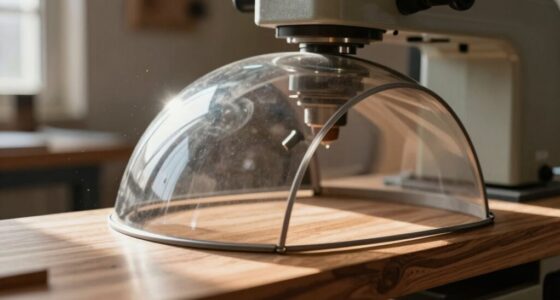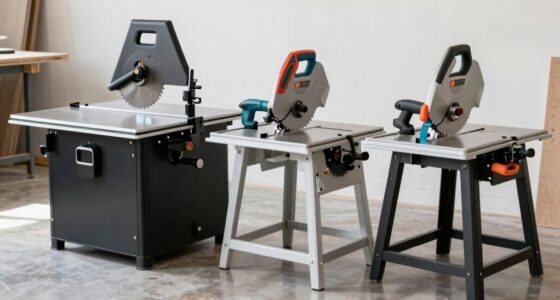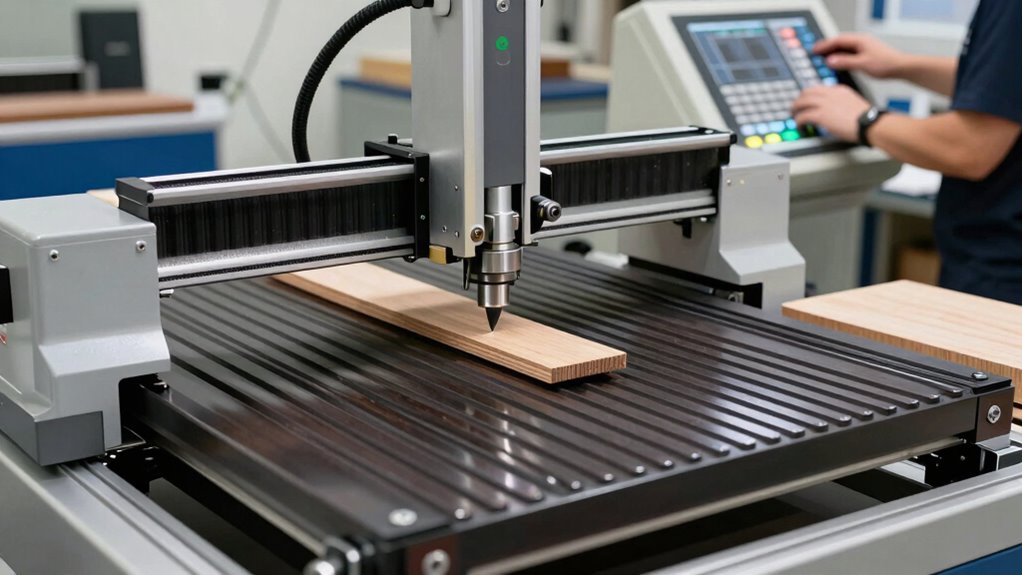

Upgrading to a vacuum table transforms your CNC work by boosting efficiency and simplifying repetitive tasks. You’ll notice improved precision, as the vacuum holds your workpieces securely, reducing misalignments. With quick positioning and minimal setup, you can jump straight into machining, cutting down production time. Plus, maintaining the vacuum system is easy, allowing for seamless material changes. Want to find out how this upgrade can enhance your overall CNC experience? There’s more to explore!

Get business pricing on tools and workshop supplies
- Business-only prices and quantity discounts
- Tax-exempt purchasing
- Multiple users, one account, clear invoices
Key Takeaways
- Vacuum tables enhance machining precision, reducing material shifting and ensuring consistent results in repetitive CNC tasks.
- Quick positioning and activation of the vacuum streamline the setup process, boosting overall production efficiency.
- Easy material switching with minimal adjustments allows for seamless transitions between different jobs without extensive downtime.
- Regular maintenance ensures optimal vacuum performance, minimizing disruptions and enhancing workflow during repetitive operations.
- User-friendly designs reduce complexity, making vacuum tables accessible for operators and improving the overall CNC experience.
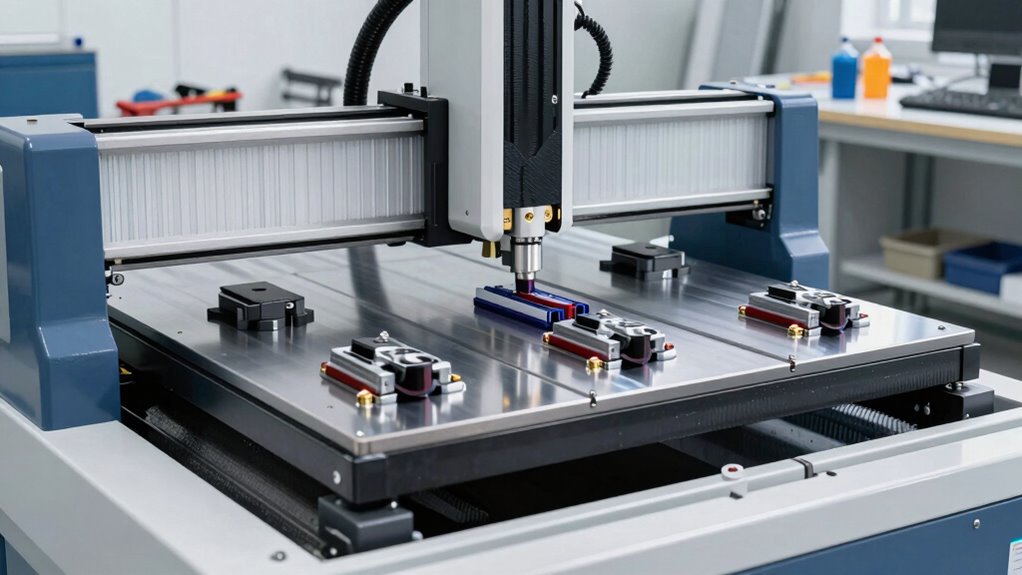
Upgrading to a vacuum table for your CNC work can greatly enhance your machining precision and efficiency. Imagine tackling repetitive projects without the constant worry of material shifting or misalignments. A vacuum table provides a reliable method for holding down workpieces, allowing you to focus on the machining process itself. With improved vacuum efficiency, you’ll notice a significant reduction in setup time, making your workflow smoother and more productive.
One of the standout benefits of a vacuum table is its ability to accommodate various materials. Whether you’re working with wood, plastic, or metal, you’ll find that this system can handle multiple types of workpieces. The key lies in understanding material compatibility with your vacuum table. Different materials require different levels of suction and clamping force, and knowing how to adjust these settings will allow you to achieve peak results. You won’t have to worry about uneven surfaces or the risk of damaging your materials; a well-designed vacuum table guarantees that everything stays firmly in place. Additionally, vacuum system efficiency can be further optimized with proper maintenance and adjustments, ensuring consistent performance over time. Regular cleaning and inspection of the vacuum components also help maintain optimal vacuum performance. Maintaining these systems properly is essential for sustained reliability and consistent results.
One major advantage of a vacuum table is its versatility in handling various materials like wood, plastic, and metal with ease.
As you consider this upgrade, think about how much time you spend aligning and securing your materials. With a vacuum table, you can quickly position your workpieces, activate the vacuum, and get right to machining. This efficiency not only speeds up your production but also minimizes errors, which is vital when you’re repeating the same process multiple times. You’ll find that your confidence grows as you see consistent results without the hassle. Properly managing the vacuum system is crucial to maintaining peak performance and avoiding disruptions during your projects.
Another advantage is the ease of maintenance. Unlike traditional clamps and fixtures, which can wear out or become misaligned over time, vacuum tables require minimal upkeep. Keep your surface clean, and you’ll maintain that high level of vacuum efficiency. Plus, if you decide to switch materials, the shift is seamless. Just adjust the settings as needed, and you’re ready to go. Additionally, advanced vacuum systems can further optimize performance and longevity for demanding CNC applications.
As an affiliate, we earn on qualifying purchases.
Frequently Asked Questions
How Does a Vacuum Table Improve CNC Precision?
A vacuum table improves CNC precision by providing excellent suction control, ensuring your workpiece stays securely in place during machining. This stability minimizes vibrations and movement, allowing for cleaner cuts and tighter tolerances. You’ll notice a significant reduction in errors, which means less rework and higher quality finished products. Plus, the consistent grip on various materials enhances your overall machining efficiency, making your projects run smoother and more accurately.
Can I Use a Vacuum Table With Any CNC Machine?
Yes, you can use a vacuum table with many CNC machines, but compatibility can vary. It’s important to check your machine’s specifications. Vacuum table benefits include enhanced stability and precision during cuts, which leads to better results. If your CNC machine has a flat surface that can accommodate a vacuum setup, you’re likely good to go. Always verify the vacuum system matches your machine’s size and capabilities for peak performance.
What Materials Work Best With Vacuum Tables?
You’ll find that materials like plywood, MDF, and plastic work best with vacuum tables due to their flat surfaces and material compatibility. These materials enhance vacuum efficiency, ensuring a strong hold during CNC operations. Avoid using porous materials or those with uneven surfaces, as they can reduce effectiveness. Experimenting with different thicknesses can also help optimize your setup, so you achieve the best results for your specific projects.
How Do I Maintain My Vacuum Table?
Keeping your vacuum table clean is almost as fun as watching paint dry, right? But it’s essential. You should regularly check for leaks and clean the surface to prevent common issues like weak suction. Use vacuum maintenance tips like inspecting hoses and filters at least monthly. A little attention goes a long way, ensuring your table works efficiently and consistently. After all, a well-maintained table means fewer headaches during your projects!
Is a Vacuum Table Expensive to Install?
A vacuum table can be expensive to install, but it’s worth considering a cost analysis first. Installation costs vary based on size and complexity, so get multiple quotes. Look for tips on installation to save money; DIY options can cut expenses considerably. Factor in long-term benefits, like increased efficiency, to justify the upfront investment. Overall, weigh the initial costs against the potential gains in productivity and precision.
Conclusion
Upgrading to a vacuum table is like adding a reliable partner to your CNC work. It takes the weight off your shoulders, allowing you to focus on precision and creativity. Just as a sturdy bridge connects two shores, this upgrade links your vision to reality, streamlining repetitive tasks and enhancing efficiency. Embrace this change, and watch your productivity soar, transforming your workshop into a domain where ideas take flight, unburdened by the hassle of clamping.
Fall yard work Picks
leaf blowers
As an affiliate, we earn on qualifying purchases.