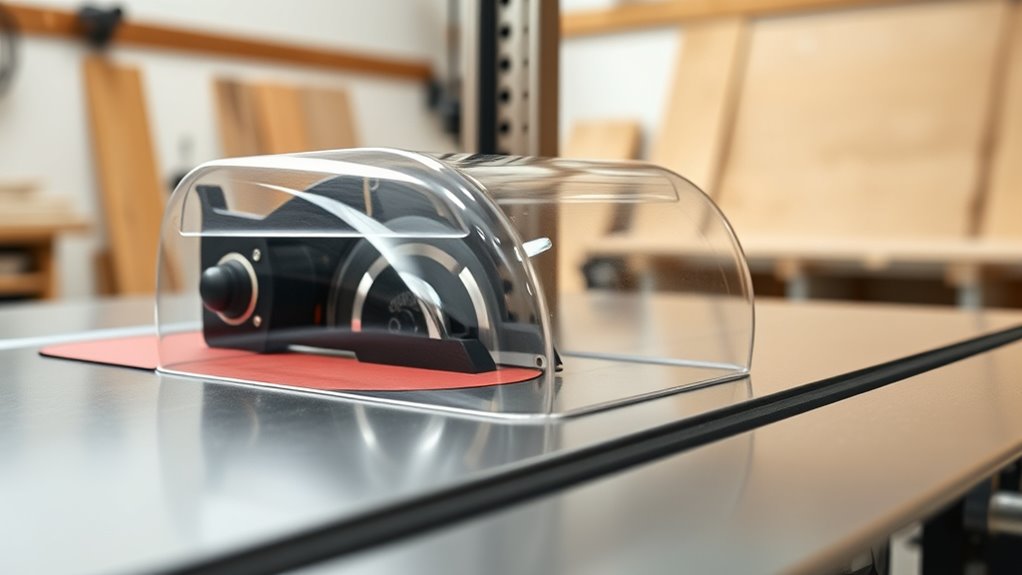

To stay safe with table saws, always keep the blade guard in place to shield your hands and minimize exposure during cuts. Use splitters and anti kickback devices to prevent workpieces from pinching or kicking back. Always inspect safety features regularly and never operate the saw without them properly installed. Maintaining awareness and proper technique reduces risk considerably. Keep safety components in good condition, and you’ll find more tips to ensure safe operation as you continue.
Key Takeaways
- Always operate the saw with the blade guard in place to minimize exposure during cutting.
- Use splitters and anti kickback devices to prevent workpiece pinching and kickback hazards.
- Regularly inspect safety features, including blade guards and anti kickback devices, for proper function.
- Utilize push sticks for narrow or small pieces to keep fingers away from the blade.
- Follow best safety practices, such as proper setup and focused operation, to reduce injury risk.
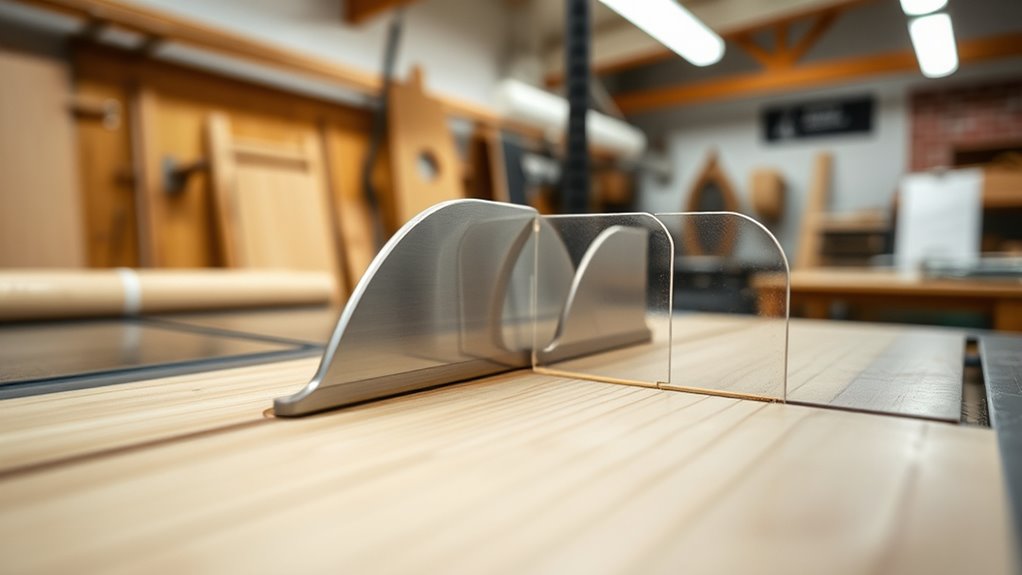
Table saws are powerful tools that can help you complete woodworking projects efficiently, but they also pose serious safety risks if not used properly. One of the most effective ways to protect yourself is by using blade guards and splitters. These safety features act as shields, preventing accidental contact with the spinning blade. When set up correctly, they reduce the risk of serious injury, especially when making narrow or intricate cuts. Always ensure your blade guard is in place before starting any cut—never operate the saw without it. The blade guard covers the blade, minimizing exposure and keeping your hands at a safe distance.
Always use blade guards before operating your table saw to ensure safety during cuts.
However, there are times when a blade guard might hinder your work, especially when making precise rip cuts. In such cases, a splitter becomes invaluable. A splitter is installed behind the blade and helps prevent the workpiece from pinching the blade and causing kickback. Kickback occurs when the wood is thrown back toward you with force, which can be dangerous. To further mitigate this risk, use a push stick whenever you’re guiding narrow or small pieces through the saw. A push stick keeps your fingers safely away from the blade, giving you better control over the workpiece. When using a push stick, ensure it’s sturdy and long enough to keep your hands well clear of the blade at all times.
Anti kickback devices are another essential safety feature. These devices are designed to catch the wood if it begins to kick back, preventing it from flying toward you. Many modern table saws come equipped with anti kickback pawls or bars, but if yours doesn’t, consider installing them or using aftermarket options. Combining these safety features creates a thorough barrier against accidents. Remember, even with all these safeguards, your awareness and proper technique are indispensable. Never force the wood through the blade; let the saw do the work at a steady, controlled pace. Keep your focus on the cut, and don’t rush or get distracted.
Finally, always double-check that all safety equipment is in place before starting. Regularly inspect your blade guard, splitter, anti kickback devices, and push sticks for damage or wear. Replace anything that’s compromised to maintain safety. Incorporating safety features—using a push stick, ensuring anti kickback devices are active, and keeping blade guards and splitters properly installed—greatly reduces the risk of injury and makes your woodworking experience safer and more enjoyable.
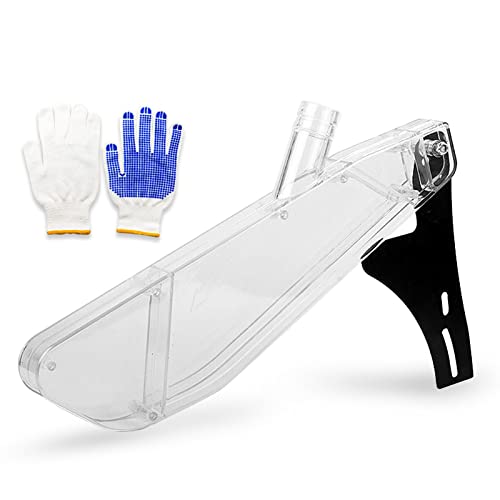
R-Shaped Stand Saw Cover, 4-10 Inch Anti-Dust Guard with Splitting Knife, Universal Dustproof Clear Plastic Case – Woodworking Table Saw Protection
➤【Sturdy and Durable】 – Made of premium acrylic material, the protective case is not easy to deform and…
As an affiliate, we earn on qualifying purchases.
As an affiliate, we earn on qualifying purchases.
Frequently Asked Questions
Can Blade Guards Be Removed for Certain Cuts?
Yes, you can remove the blade guard for certain cuts, but only if safety considerations are carefully addressed. Always guarantee the saw is unplugged before removing the blade guard, and use other safety measures like push sticks. Remember, blade guard removal increases risk, so it’s best to keep it in place unless absolutely necessary. When you do remove it, stay extra vigilant and follow all safety protocols to prevent accidents.
How Do I Choose the Right Splitter for My Saw?
Choosing the right splitter is like finding your saw’s BFF. You’ll want one that matches your fence adjustments for perfect cuts and keeps dust collection efficient. Look for splitters compatible with your saw model, sturdy enough for your projects, and easy to install or remove. Remember, a good splitter doesn’t just keep you safe—it makes your woodworking life way easier, so don’t skimp on quality!
Are There Universal Blade Guards Compatible With All Table Saws?
Universal blade guards are rarely compatible with all table saws due to varying models and safety standards. You should check the manufacturer’s specifications to guarantee compatibility, as safety standards differ across brands. While some universal options exist, they often require adjustments or adapters. Always prioritize guards that meet safety standards for your specific saw to ensure maximum protection. You’ll want a guard that fits securely and complies with safety regulations.
How Often Should I Replace Worn Safety Components?
Imagine you’re cutting a large sheet, and suddenly, your blade guard shows signs of wear. You should replace safety components like blade guards and splitters as soon as you notice cracks, chips, or looseness. Regular blade guard maintenance ensures splitter compatibility and safe operation. Typically, inspect these parts every few months, but replace them immediately if damaged, to prevent accidents and maintain ideal safety during your woodworking projects.
Do Safety Features Impact Cutting Precision?
Safety features like blade guards and splitters do impact cutting precision, but the trade-off favors safety over absolute accuracy. Protective features may slightly limit your view or movement, making fine cuts more challenging. However, they’re essential for your safety, preventing injuries. Focus on adjusting these features properly to balance safety with precision, ensuring you protect yourself without compromising the quality of your work. Safety vs. accuracy is about finding the right compromise.

MICROJIG GRR-RIPPER MJ SPLITTER Steel Pro, Full Kerf, Safety Upgrade for Older Table Saws, Woodworking Tools and Accessories, Anti-Kickback, SP-2, Blue
REDUCE KICKBACK AND BURNING: The MJ SPLITTER Steel Pro is a reliable addition to your table saw accessories…
As an affiliate, we earn on qualifying purchases.
As an affiliate, we earn on qualifying purchases.
Conclusion
Always use your blade guard and splitter—these tiny devices could be the difference between a smooth cut and a trip to the emergency room. Think of them as your personal superheroes, fighting off accidents before they happen. Ignoring safety might seem harmless now, but one slip with a table saw can turn a fun project into a life-changing event in seconds. Play it safe, stay alert, and keep those guards on—you’re worth it!
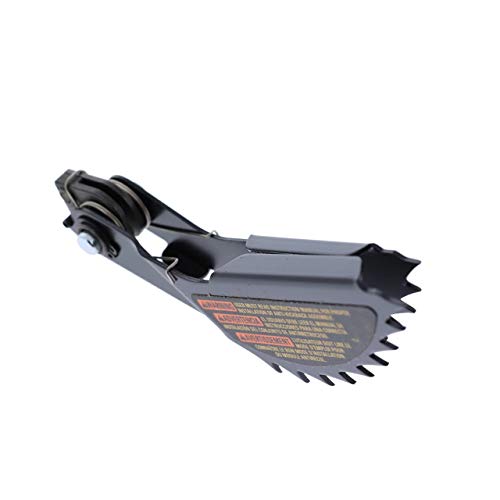
DEWALT A26148 Anti-Kickback
This is an O.E.M authorized part
As an affiliate, we earn on qualifying purchases.
As an affiliate, we earn on qualifying purchases.

POWERTEC Push Block and Push Stick Set Fits Table Saws, Router Tables, Band Saws & Jointers, Dual Ergonomic Handles w/Max Grip, Wood Pusher Reduces Kickback & Increases Safety. 5PK (71009V)
INCLUDES: (1) Long Hold Down Push Block (1) Safe V Stick and (1) Straight Push Stick (2) Short…
As an affiliate, we earn on qualifying purchases.
As an affiliate, we earn on qualifying purchases.