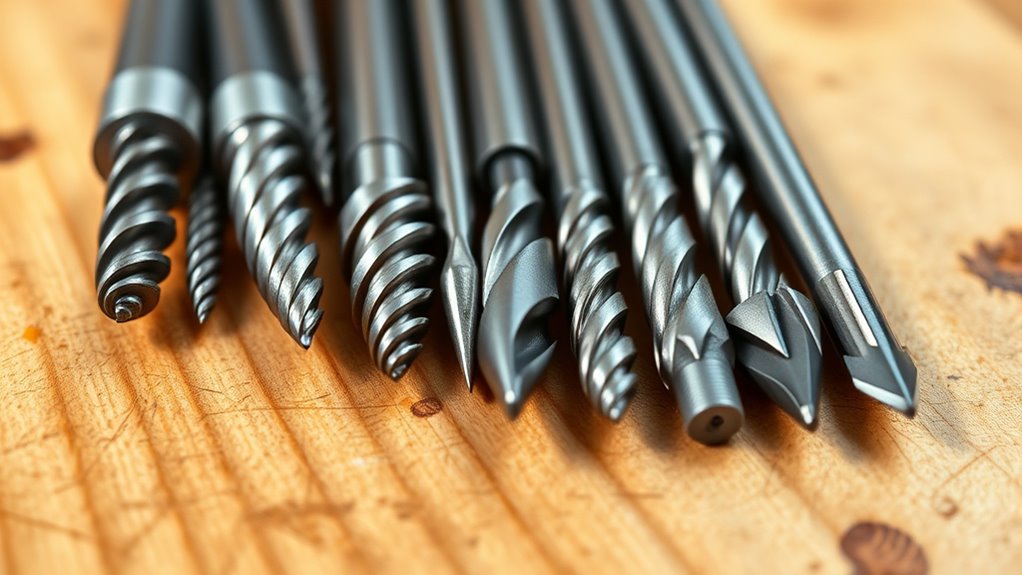
Choosing the right router bit depends on the profile and application you want. For decorative edges, options like chamfer, round-over, ogee, or cove bits work best. Match the bit shape to your project’s design, considering whether you’re aiming for smooth, beveled, or detailed profiles. Using the appropriate bit type guarantees cleaner cuts and a professional look. Keep in mind that material and bit quality also matter—if you explore further, you’ll discover how to select the perfect bits for your projects.
Key Takeaways
- Match router bit shapes (e.g., chamfer, ogee, round-over) to desired edge profiles for aesthetic and functional results.
- Use multi-profile bits to achieve complex designs in a single pass, saving time and ensuring consistency.
- Select bits made of durable materials like carbide for cutting hardwoods and high-speed steel for softer woods.
- Employ proper guides or featherboards to improve precision and safety when shaping edges with router bits.
- Keep bits sharp and well-maintained to ensure clean cuts, extend tool life, and achieve professional-quality finishes.

Choosing the right router bit is essential for achieving clean, precise cuts in your woodworking projects. When it comes to shaping edges and creating decorative profiles, selecting the appropriate bit can make all the difference in the final appearance of your work. Whether you’re aiming for smooth, rounded edges or intricate, detailed designs, understanding the variety of router bits available will help you accomplish your vision with confidence.
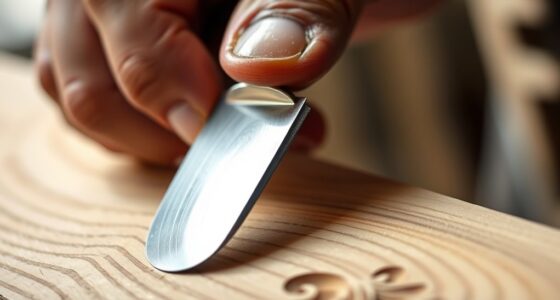
Edge treatments are a fundamental aspect of woodworking, and router bits designed specifically for this purpose come in many shapes and sizes. For simple beveled or chamfered edges, a chamfer bit is your best choice, offering clean, angled cuts that add a subtle touch of elegance. If you’re looking to create a rounded, smooth edge, a round-over bit provides a gentle curve that softens the surface and prevents splintering. For a more decorative touch, ogee bits produce an elegant S-shaped profile that adds sophistication to furniture edges, while a cove bit creates a concave, curved profile perfect for decorative moldings. These edge treatment bits not only enhance the visual appeal but also improve the durability of the edges, protecting against damage and wear over time.
Edge treatment router bits shape and protect wood, enhancing durability and visual appeal with beveled, rounded, or decorative profiles.
When selecting bits for decorative profiles, the key is to match the shape of the bit to your desired design. For intricate detailing, multi-profile bits can combine several profiles into one pass, saving time and reducing the risk of errors. For more elaborate designs, you might opt for a featherboard or a template guide along with specialized bits to achieve precision. The choice of bit will depend on the complexity of the profile, the material you’re working with, and the level of detail you want to achieve. Remember, the right bit not only influences the look but also affects the ease of your work and the quality of your finished piece.
It’s also important to contemplate the material you’re working with. Hardwoods may require sturdier, carbide-tipped bits that can withstand more aggressive cuts, while softer woods might be cut with high-speed steel bits. Always ensure your router bit is sharp and properly installed to achieve the best results. Properly selecting and maintaining your bits will extend their lifespan and keep your projects looking professional. Additionally, understanding vetted products can help you choose high-quality bits that offer durability and precise performance.
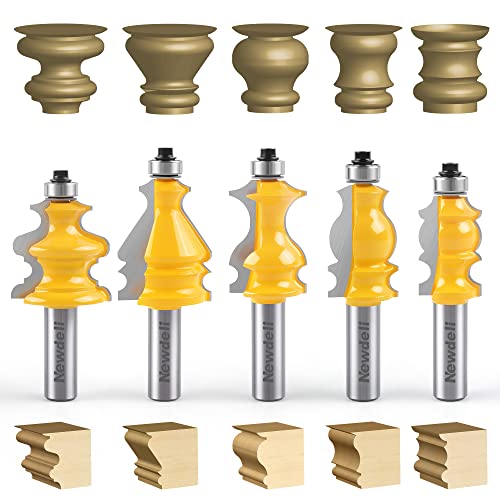
Newdeli Architectural Molding Router Bit Set 5 PCS 1/2-Inch Shank, Corner Rounding Edge-Forming Roundover Beading Router Bit Set, Woodworking Milling Cutter Tools, Carbide Cutter CNC Router
【Versatile Woodworking Tool Kit】Newdeli 5 sizes 1/2 inch shank Architectural molding edge-forming router bit set made of high-quality…
As an affiliate, we earn on qualifying purchases.
As an affiliate, we earn on qualifying purchases.
Frequently Asked Questions
How Do I Properly Maintain and Sharpen Router Bits?
To properly maintain and sharpen your router bits, you should regularly inspect them for dullness or damage. Use appropriate maintenance techniques like cleaning with a soft brush and honing the edges with a sharpening stone or file. Bit sharpening keeps your cuts precise and safe. Avoid over-sharpening, and store bits properly to prevent dulling. Consistent maintenance ensures your router bits stay in ideal condition, improving the quality of your work.
What Safety Precautions Should I Follow When Using Different Router Bits?
When using different router bits, always make certain proper bit installation by securely tightening the collet and verifying the bit is straight. During router table setup, adjust the fence and height settings carefully to match your project’s profile. Wear safety goggles and a dust mask, and keep hands away from spinning bits. Never force the bit or rush the process—taking these precautions keeps you safe and achieves precise, clean cuts.
Can I Use the Same Router Bit for Multiple Materials?
Did you know that using the same router bit across different materials can reduce its lifespan by up to 50%? Generally, bit versatility is limited; many bits are designed for specific materials like hardwood, softwood, or plastics. To guarantee safety and peak performance, always check material compatibility before switching. Using the right bit for each material prevents damage and maintains your tools’ longevity. So, avoid using one bit for everything—your projects will thank you!
How Do I Identify Worn or Damaged Router Bits?
You identify worn or damaged router bits by inspecting them carefully for damage signs. Check the cutting edges for chips, cracks, or dullness, which indicate wear. Look for uneven or chipped teeth, and examine the shank for any bends or cracks. If you notice excessive heat discoloration or wobbling during use, it’s best to substitute the bit. Regular bit inspection guarantees safe, precise cuts and extends your router bit’s lifespan.
What Are the Environmental Considerations for Disposing of Used Router Bits?
Think of disposing of used router bits as tending to a garden—carefully and responsibly. You should explore recycling options for metal bits to give them a second life, reducing waste. If the bits are coated or contaminated, treat them as hazardous waste and follow local hazardous waste disposal guidelines. This way, you protect the environment and keep your workspace eco-friendly, ensuring you’re a responsible craftsman in a world that needs it.

HILTEX 10100 Tungsten Carbide Router Bits, 15 Piece Router Bit Set, 1/4” Router Bit Shank Tungsten Carbide Router Bits, Chamfer for Woodworking on Wood, Blue
CLEAN CUTTING: These router bits are tipped with precisely machined YG8 tungsten carbide blades to allow for clean…
As an affiliate, we earn on qualifying purchases.
As an affiliate, we earn on qualifying purchases.
Conclusion
Choosing the right router bit is key to achieving your woodworking goals. With the right profile and application in mind, you can avoid biting off more than you can chew and guarantee your project turns out just as you envisioned. Remember, practice makes perfect, and taking the time to select the proper bit will pay off in the end. When it comes to router bits, it’s better to be safe than sorry—so choose wisely and craft with confidence.

YONICO Architectural Molding Router Bits Multi Profile 1/2-Inch Shank 16155
Create detailed moldings and casings to add to a variety of applications
As an affiliate, we earn on qualifying purchases.
As an affiliate, we earn on qualifying purchases.

YONICO Cabinet Door Edge Router Bits Set 4 Bit 1/2-Inch Shank 12401
Add a beautiful profile to door and drawer fronts
As an affiliate, we earn on qualifying purchases.
As an affiliate, we earn on qualifying purchases.