
Polishing and waxing serve different but complementary roles in car care. Polishing removes minor scratches, swirl marks, and oxidation by gently taking off a thin layer of clear coat, restoring shine and smoothness. Waxing, on the other hand, creates a protective barrier against UV rays, dirt, and grime to preserve the polish’s effects and boost gloss. To achieve a long-lasting, stunning finish, it’s best to polish first, then apply wax—learn more to perfect your technique.
Key Takeaways
- Polishing removes a thin layer of clear coat to correct imperfections, while waxing provides a protective barrier for the surface.
- Polishing enhances paint clarity and gloss; waxing maintains that shine and shields against environmental damage.
- Proper polishing ensures a smooth surface for better wax adhesion and longer-lasting protection.
- Polishing is essential for correcting surface flaws; waxing alone cannot fix scratches or swirl marks.
- Best practices involve polishing first to restore the surface, then applying wax for protection and prolonged shine.
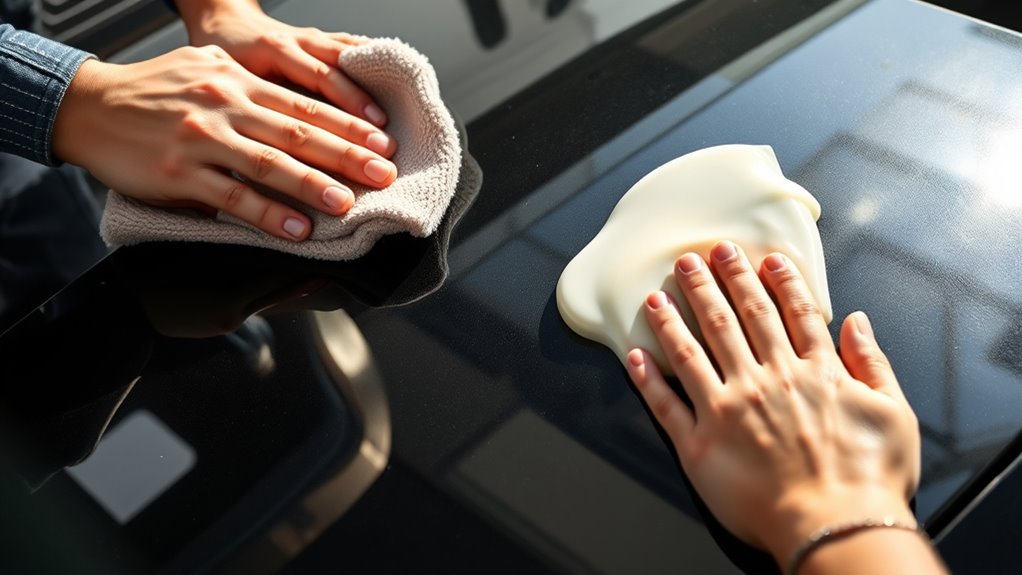
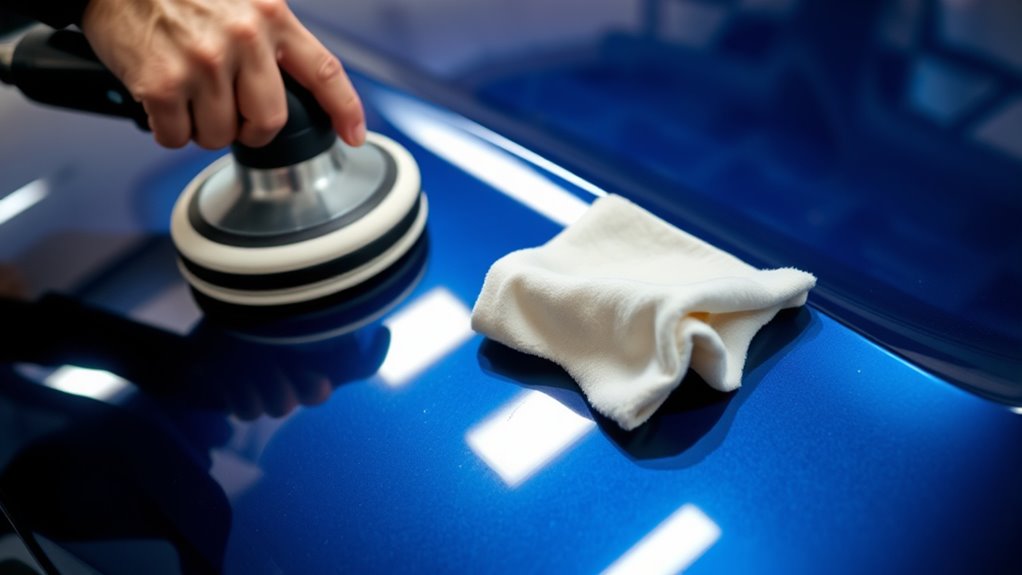
When it comes to maintaining your vehicle’s appearance, understanding the difference between polishing and waxing is essential. These processes serve different purposes but work together to keep your car looking its best. Polishing is primarily about paint correction. It’s a process that involves removing a thin layer of the clear coat to eliminate minor scratches, swirl marks, oxidation, and surface imperfections. When you polish your vehicle, you’re restoring the paint’s smoothness and clarity, making the surface look fresher and more vibrant. This step is indispensable if your car’s paint has become dull or marred over time, as it helps bring back the original gloss and depth. After polishing, the surface is prepared for protection, ensuring that your investment stays shiny and well-preserved. Proper technique during polishing is crucial to avoid damage and achieve the desired results.
Waxing, on the other hand, focuses on surface protection. Once your car has been polished and the paint correction is complete, applying wax creates a barrier that shields the paint from environmental elements like UV rays, dirt, bird droppings, and road grime. It’s a protective layer that enhances gloss and prolongs the results of your polishing efforts. While waxing doesn’t correct surface imperfections, it’s essential for maintaining the freshly polished look and preventing future damage. Waxes can vary from traditional paste or liquid waxes to synthetic sealants, but all serve the purpose of locking in the shine and providing a protective coating that helps your vehicle retain its appearance longer.
It’s important to recognize that polishing and waxing aren’t interchangeable; instead, they complement each other. Proper paint correction through polishing ensures that the surface is smooth and free of blemishes, which allows the wax to adhere better and provide more effective protection. Skipping the polishing step might leave imperfections visible or cause the wax to sit unevenly, reducing its effectiveness. Conversely, neglecting to wax after polishing leaves the paint vulnerable to damage and diminishes the longevity of your work. Ideally, you should polish first to correct the surface, then apply wax to safeguard the results, creating a layered approach that maximizes both appearance and protection.

GEVEELIFE Buffer Polisher, 6 Inch/7 Inch 1600W Rotary Car Buffer Polisher Waxer, 7 Variable Speed 1000-3500 RPM, Detachable Handle for Car, Boat Sanding, Polishing, Waxing
1600W Powerful Motor: Equipped with an upgraded 1600W motor, this buffer polisher offers a smooth and quiet operation….
As an affiliate, we earn on qualifying purchases.
As an affiliate, we earn on qualifying purchases.
Frequently Asked Questions
How Often Should I Polish or Wax My Vehicle?
You should polish your vehicle every 3 to 6 months, especially if you’re doing paint correction or glaze enhancement to maintain a smooth, reflective finish. Waxing can be done every 2 to 3 months to protect the paint and keep the shine. Regular polishing removes swirl marks and enhances gloss, while waxing adds a protective layer. Adjust frequency based on your driving habits and exposure to elements for ideal results.
Can Polishing Remove Deep Scratches?
Yes, polishing can remove deep scratches through paint correction and scratch removal techniques. When you polish your vehicle, abrasive compounds target the damaged area, gradually leveling the surface and diminishing the appearance of deep scratches. However, for very deep or extensive scratches, you might need professional intervention or more advanced paint correction methods. Regular polishing can help maintain your paint’s smoothness and protect against future damage.
Is Waxing Suitable for All Paint Types?
Imagine your car’s paint as a delicate canvas, and waxing as a gentle coat of protection. Waxing isn’t suitable for all paint types; some finishes may not respond well, leading to uneven application or damage. Before you wax, check your paint compatibility. Proper wax application enhances your car’s shine and guards against elements, but only if your paint type permits for it. Always test a small area first to ensure perfect results.
What Are the Environmental Impacts of Polishing and Waxing?
You might wonder about the environmental impacts of polishing and waxing. Both can have effects, but choosing eco-friendly alternatives helps reduce harm. Use biodegradable products, avoid harsh chemicals, and recycle vehicle products when possible. Proper disposal and selecting environmentally conscious brands minimize pollution. By making these choices, you contribute to a healthier planet while maintaining your vehicle’s shine, making polishing and waxing more sustainable and eco-friendly practices.
How Do I Choose Between a Professional or DIY Service?
You should choose a professional service if you want expert results and save time, benefiting from their experience and specialized tools. However, if you’re confident and want to save money, DIY tips can help you achieve good results with proper preparation and patience. Consider your skill level, the vehicle’s needs, and the extent of the work to decide whether to go DIY or hire a professional for polishing or waxing.
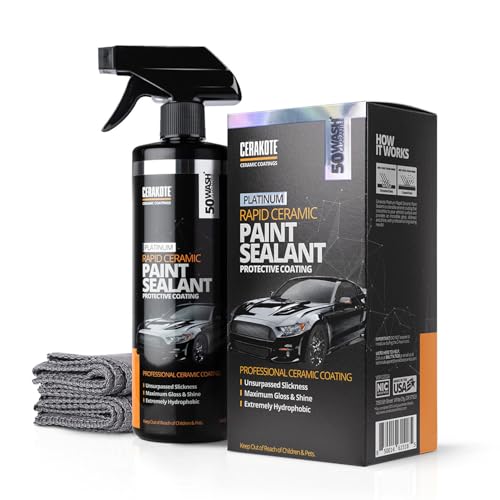
CERAKOTE® Platinum Rapid Ceramic Paint Sealant Spray – 14 oz. – 50 Wash Rating – Maximum Gloss & Shine – Extremely Hydrophobic – Unmatched Slickness – Ceramic Spray Coating
Industry Leading 50 Wash Rating – We’ve taken our top performing paint sealant and made it even better….
As an affiliate, we earn on qualifying purchases.
As an affiliate, we earn on qualifying purchases.
Conclusion
Understanding the key differences between polishing and waxing helps you maintain a car’s shine effectively. Polishing removes imperfections for a smooth finish, while waxing provides a protective layer against the elements. Did you know that regular waxing can extend your car’s paint life by up to 30%? By incorporating both into your routine, you preserve your vehicle’s look and value longer. Now, you’re ready to choose the right method for a stunning, protected finish every time.

Meguiar’s Ultimate Compound, Pro-Grade Car Scratch Remover for Paint Correction, Removes Swirls and Defects While Restoring Gloss and Shine, Christmas Gifts for Car Guys, 15.2 Oz
BUFF OUT IMPERFECTIONS: Meguiar's Ultimate Compound removes scratches, swirls & oxidation for a clear, perfect finish
As an affiliate, we earn on qualifying purchases.
As an affiliate, we earn on qualifying purchases.
CERAKOTE® Platinum Rapid Ceramic Paint Sealant Spray – 14 oz. – 50 Wash Rating – Maximum Gloss & Shine – Extremely Hydrophobic – Unmatched Slickness – Ceramic Spray Coating
Industry Leading 50 Wash Rating – We’ve taken our top performing paint sealant and made it even better….
As an affiliate, we earn on qualifying purchases.
As an affiliate, we earn on qualifying purchases.