To design and build a cedar planter box, focus on sturdy joinery like rabbet or dado joints for the sides and bottom, secured with weather-resistant screws, ensuring strong, stable construction. Use heavy-duty liners such as landscape fabric or plastic sheeting fitted snugly inside to protect the wood from moisture. Incorporate a drainage hole with gravel beneath it for proper water management. If you keep exploring, you’ll discover more tips to create a durable, beautiful planter.
Key Takeaways
- Use rabbet or dado joints with pilot holes and weather-resistant fasteners for strong, durable connections.
- Carefully align and assemble the frame to ensure structural integrity and a professional appearance.
- Select heavy-duty liners like landscape fabric or plastic sheeting, fitting snugly inside without interfering with the top edge.
- Install a drainage hole with gravel or stones at the bottom to prevent waterlogging and promote healthy plant roots.
- Incorporate drip irrigation or soaker hoses for even watering and maintain proper moisture levels in the planter.

Building a cedar planter box is a rewarding project that combines craftsmanship with functional outdoor decor. Once you’ve chosen your cedar and gathered your tools, it’s time to focus on joinery and liners, which are essential for a sturdy, long-lasting planter. Proper joinery ensures the box holds together over time, especially when filled with soil and plants, while liners help protect the wood from moisture and root damage.
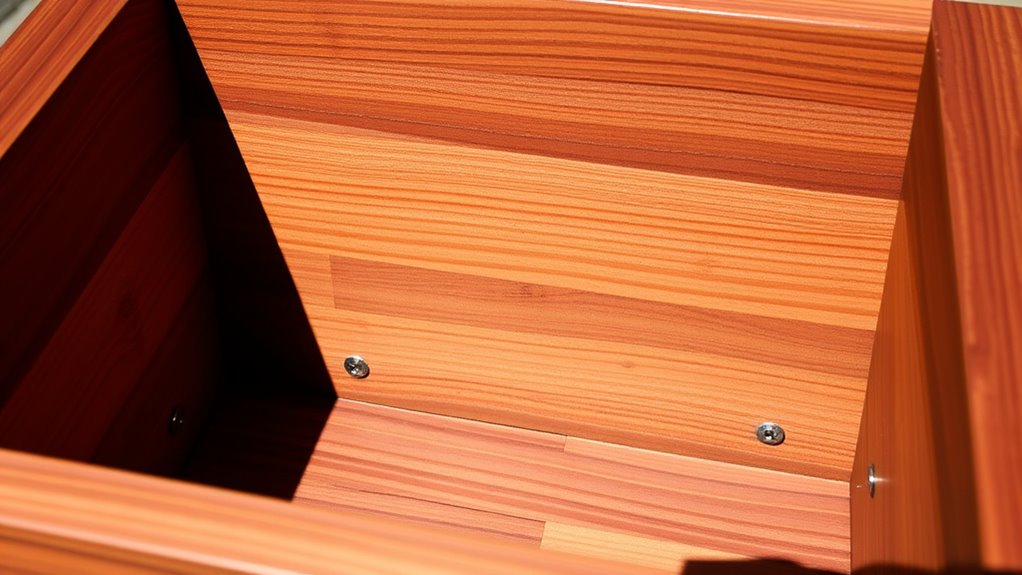
Start by selecting the right joints for your planter. For a durable, professional look, consider using rabbet joints or dado joints to connect the sides and the bottom panels. These joints provide strength and stability, preventing the box from warping or coming apart under the weight of soil and plants. To assemble, drill pilot holes to avoid splitting the cedar, then secure the joints with weather-resistant screws or nails. Take your time aligning each piece accurately; this will make your planter not only sturdy but also visually appealing.
Once your frame is assembled, focus on installing a liner. A good liner shields the cedar from constant moisture, which can cause rot over time. You can use heavy-duty landscape fabric, plastic sheeting, or a commercial planter liner designed for outdoor use. Fit the liner snugly inside the box, trimming excess material so it doesn’t interfere with the top edge or planting area. The liner also makes it easier to clean, replace soil, and maintain healthy planting arrangements without damaging the wood.
Now, consider your watering systems. Proper watering is crucial for healthy plants, and integrating an efficient watering setup can make maintenance easier. You might install a simple drip irrigation system or use a soaker hose threaded through the soil or beneath the liner. This ensures that water reaches the roots evenly and prevents overwatering or drought stress. Make sure to include a drainage hole at the bottom of the planter, covered with gravel or small stones, to allow excess water to escape. This prevents waterlogging, which can damage roots and lead to plant diseases.
Additionally, understanding the benefits of practicing stillness can improve your overall gardening experience by fostering patience and mindfulness during your planting and maintenance routines. When it comes to planting arrangements, plan your layout before filling the box. Think about the sunlight, water needs, and growth habits of your chosen plants. Mix taller plants toward the back and trailing or shorter plants in front for a balanced look. Properly spaced plants will thrive with consistent watering, especially if your watering system is automated or easy to access. By paying attention to joinery details, installing a reliable liner, and setting up an effective watering system, you’ll create a cedar planter box that’s both beautiful and functional for years to come.
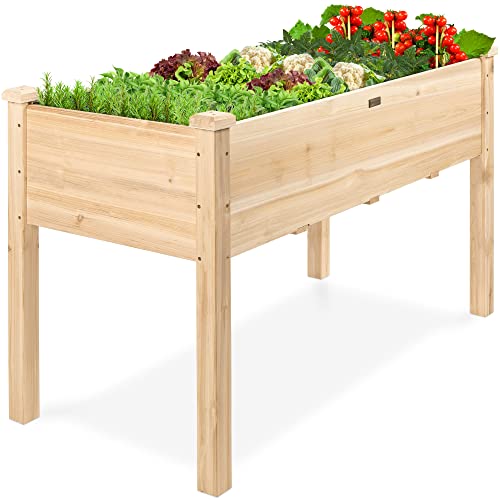
Best Choice Products 48 x 24 x 30 Inches Raised Garden Bed, Elevated Wood Planter Box Stand for Backyard, Patio, Balcony with Bed Liner, 200 Pound Capacity – Natural
LARGE PLANTING SPACE: Designed with a long bed space (5CuFt) deep enough to provide your plants and vegetables…
As an affiliate, we earn on qualifying purchases.
As an affiliate, we earn on qualifying purchases.
Frequently Asked Questions
What Types of Cedar Are Best for Planter Boxes?
You should choose Western Red Cedar or Cedar Atlas for your planter box, as they’re durable and naturally resistant to rot and insects. When comparing cedar species, Western Red Cedar is lightweight and ages beautifully, while Cedar Atlas offers even greater longevity. To protect your planter, use appropriate planter box wood treatment, but remember that these cedar types typically require minimal maintenance due to their natural resistance.
How Do I Prevent Cedar From Rotting Over Time?
To prevent cedar from rotting over time, you should treat the wood with a weatherproof sealant or preservative, especially on the cut edges. Incorporate proper drainage solutions, like adding a layer of gravel or installing drainage holes, to prevent water from pooling. Regularly inspect and reapply treatments as needed, and consider lining the inside of your planter with a durable liner to protect the cedar from constant moisture exposure.
What Tools Are Essential for Cedar Planter Box Construction?
To build your cedar planter box, you’ll need essential power tools like a saw, drill, and sander for precise cuts and smooth finishing. These tools help with joinery and assembly, ensuring durability. After construction, apply finishing techniques such as sealing or staining to protect the cedar from moisture and rot. Using the right power tools and finishing touches guarantees your planter box remains sturdy and attractive over time.
How Deep Should the Planter Box Be for Different Plants?
You should make your cedar planter box at least 12 inches deep for most flowers and herbs to guarantee proper soil drainage and accommodate root depth. For vegetables like tomatoes or root vegetables, aim for 18 to 24 inches to give roots enough space to grow healthy. Remember, deeper boxes improve drainage and provide more room for roots, helping your plants thrive.
Can I Customize the Size and Shape Easily?
You can easily customize the size and shape of your cedar planter box through DIY resizing and various customization options. For example, if you want a taller, narrower box for herbs, you can modify the dimensions during construction. By selecting different lengths, widths, and depths, you tailor your planter to fit your space and needs. This flexibility makes it simple to create a unique, personalized planter that matches your garden or patio perfectly.
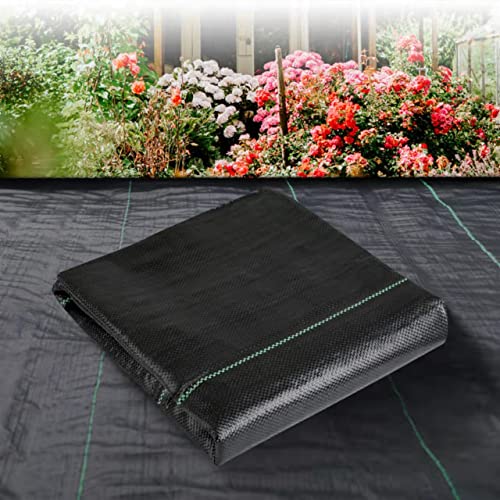
LGJIAOJIAO 3ftx50ft Weed Barrier Landscape Fabric Heavy Duty,Weed Block Gardening Ground Cover Mat, Weed Control Garden Cloth ,Woven Geotextile Fabric for Underlayment,Commercial Driveway Fabric
Premium Weed Barrier Fabric:Weed barrier landscape fabric is a type of geotextile fabric that is commonly used in…
As an affiliate, we earn on qualifying purchases.
As an affiliate, we earn on qualifying purchases.
Conclusion
Building your cedar planter box not only adds charm to your space but also boosts your home’s value. Did you know that properly constructed wooden planters can last up to 10 years with minimal maintenance? By choosing cedar and following these joinery and liner tips, you guarantee durability and beauty. Now, you’re ready to create a stunning, long-lasting planter that will be the envy of your neighbors for years to come.
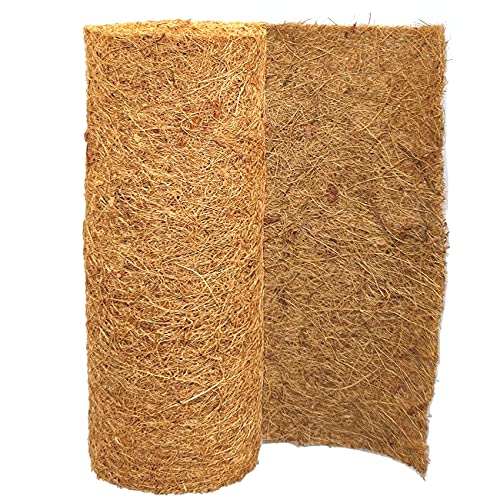
SUNYAY 12×40 inch Natural Coco Liner Roll Coconut Coir Liner Sheets Coco Mat for Planter Window Box Flower Basket Garden Decoration Animal Pet Pad
The thick coco fiber roll is made of 100% natural coconut coir fibers, eco-friendly, healthy.
As an affiliate, we earn on qualifying purchases.
As an affiliate, we earn on qualifying purchases.

HIRALIY 50ft Drip Irrigation Kit Plant Watering System 8x5mm Blank Distribution Tubing DIY Automatic Irrigation Equipment Set for Garden Greenhouse Flower Bed Patio Lawn
Adjustable Water Flow: The drip emitter can be adjusted to stop, micro-drip, and spray so that you can…
As an affiliate, we earn on qualifying purchases.
As an affiliate, we earn on qualifying purchases.