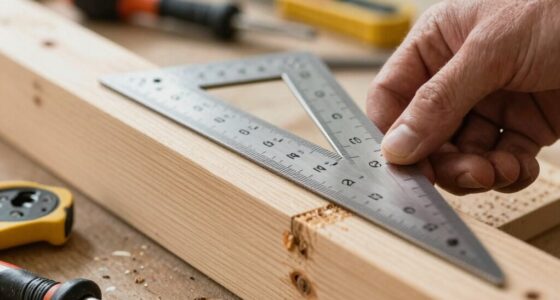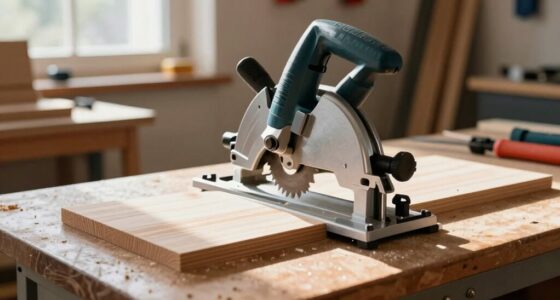
Great layout lines guide your eye naturally across a tool, highlighting key features and creating a sense of order. They help establish visual harmony, making even simple tools look polished and professional. Well-placed lines emphasize handles, grips, and operational parts, reducing clutter and boosting clarity. This thoughtful design enhances both aesthetics and usability, conveying quality even in basic models. Keep exploring, and you’ll discover how these design principles can elevate any tool’s appearance and function.
Key Takeaways
- Layout lines create visual order, making simple tools appear more organized and appealing.
- They highlight key features, enhancing clarity and emphasizing the tool’s purpose.
- Properly arranged lines establish visual harmony, making the design feel balanced and cohesive.
- They guide the viewer’s eye naturally, improving overall aesthetic and perceived quality.
- Incorporating ergonomic principles with layout lines boosts usability and adds a sense of thoughtful craftsmanship.
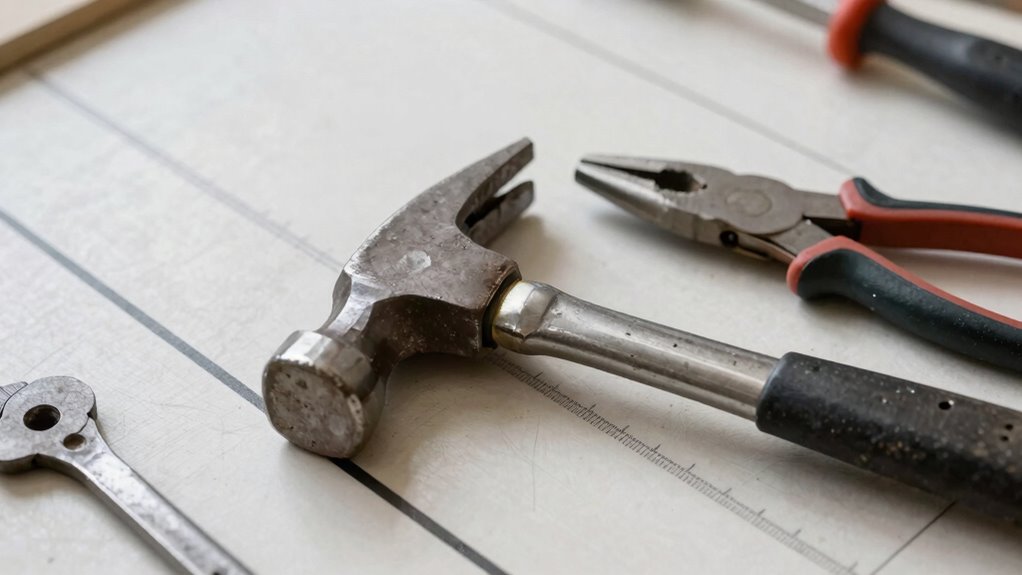
Great layout lines can dramatically enhance the appearance of even the most basic tools, transforming them from ordinary to eye-catching. When you pay attention to how the lines are arranged, you create a sense of order and purpose that immediately draws attention. These lines aren’t just about aesthetics—they guide your eye naturally around the tool, emphasizing its key features and making it more appealing. Good layout lines establish visual harmony, where every element feels balanced and cohesive. This harmony makes the tool look thoughtfully designed, regardless of its actual complexity or price point.
Effective layout lines transform simple tools into visually balanced, purposeful, and appealing designs.
If you focus on incorporating ergonomic design principles into your layout lines, the effect becomes even more powerful. You’re not just making the tool look good—you’re also enhancing its usability. Ergonomic design ensures that the lines follow the natural flow of how you handle the tool, which improves comfort and efficiency. When your layout lines align with ergonomic principles, they help communicate that the tool is well-made and user-friendly, even before you pick it up. This connection between form and function creates a visual harmony that appeals on both aesthetic and practical levels, making the tool seem more refined and thoughtfully crafted. Recognizing the importance of visual hierarchy can further refine your design approach, ensuring that your message is communicated clearly through the arrangement of layout lines.
You’ll find that strong, deliberate layout lines also help in emphasizing the tool’s core features. When you position lines to highlight the handle, grip areas, or operational parts, you direct visual focus exactly where you want it. This not only improves the look but also conveys a sense of purpose and clarity. As a result, the tool appears more professional, even if it’s a basic model. These lines act like visual cues, guiding your eye smoothly across the tool and reducing visual clutter. The effect is a clean, organized appearance that communicates quality, durability, and usability. Additionally, visual cues can improve the overall perception of the tool’s design, making it seem more intuitive and thoughtfully crafted. Incorporating design consistency further reinforces a cohesive look that enhances overall aesthetic appeal and user trust.
Furthermore, layout lines that are carefully planned and executed foster an intuitive understanding of the tool’s design. You instinctively recognize the thought behind the arrangement, which increases perceived value. When the lines follow a coherent pattern, they create a unified visual language that resonates with your sense of order and aesthetics. This visual harmony makes the tool more attractive, encouraging you to use and appreciate it more. In the end, it’s not just about making a tool look good; it’s about creating a visual experience that feels natural, balanced, and inviting—thanks to well-crafted layout lines rooted in ergonomic design principles and harmony.
As an affiliate, we earn on qualifying purchases.
Frequently Asked Questions
How Do Layout Lines Influence the Perception of Tool Quality?
Layout lines influence your perception of tool quality by enhancing visual perception and establishing design consistency. When lines are clean and well-placed, they guide your eye smoothly, making the tools appear more refined and reliable. This creates an impression of professionalism, even if the tools are average in function. Consistent layout lines subtly communicate quality, making you trust the tools more and perceive them as better-designed.
Can Layout Lines Improve Accuracy in Woodworking Projects?
Yes, layout lines can improve accuracy in woodworking projects. By using precise marking and effective layout techniques, you guarantee your cuts and joints are correctly aligned. Sharp, clear layout lines help you follow your design accurately, reducing mistakes and material waste. When you focus on careful precision marking, your overall project quality increases. Good layout lines act as a guide, making even basic tools perform better and helping you achieve professional results.
What Materials Are Best for Creating Long-Lasting Layout Lines?
You’ll want durable materials like oil-based paint or chalk lines for long-lasting layout marks. Imagine seeing crisp, clear paint markings or vibrant chalk lines that resist smudging and wear over time. Use high-quality, weather-resistant chalk for outdoor projects, or oil-based paints for indoor surfaces. These materials guarantee your layout lines remain visible and accurate, even after handling or time, helping you achieve precise cuts and perfect results every time.
How Do Layout Lines Affect the Overall Aesthetics of a Project?
Layout lines profoundly impact your project’s aesthetics by establishing visual harmony and design balance. When you use clear, precise lines, they guide the eye smoothly across the work, making it look more polished and intentional. These lines act as the framework that enhances overall cohesion, helping your design appear more professional. By paying attention to layout lines, you guarantee your project maintains aesthetic appeal and communicates your creative vision effectively.
Are There Digital Tools That Mimic Traditional Layout Lines?
Sure, digital simulation offers virtual guides that mimic traditional layout lines, making your design process feel almost nostalgic. These tools provide precise, adjustable lines that help you align and organize elements effortlessly. Ironically, while you’re working digitally, it’s like having invisible hands drawing the perfect lines for you. So yes, many software programs now feature virtual guides that replicate the feel and function of traditional layout lines, just with a modern twist.
Conclusion
When you use great layout lines, even average tools can appear more polished and professional. Imagine designing a website where clean, well-aligned lines guide your eye smoothly across the page. For example, a small business revamped their site with better layout lines and instantly looked more credible, attracting more customers. So, don’t underestimate the power of good design structure—it’s the secret to making anything look better, no matter its quality.