
When choosing between MDF, plywood, and solid wood, consider your project’s needs for appearance, stability, and moisture resistance. Use solid wood if you want natural grain and character, but be mindful it’s sensitive to humidity. Plywood is great for structural strength and moisture-resistant projects. MDF works well for painted finishes and intricate details but needs sealing in damp environments. Exploring these options further will help you pick the best material for your specific application.
Key Takeaways
- Use solid wood for aesthetic projects emphasizing natural grain and character, but avoid high-moisture areas.
- Choose MDF for smooth, painted finishes and detailed work where a uniform surface is required.
- Opt for plywood in structural, load-bearing, or moisture-prone applications due to its stability and layered construction.
- Consider sealing MDF and solid wood surfaces to improve moisture resistance in environments exposed to humidity.
- Select materials based on project needs: natural beauty with solid wood, smooth finish with MDF, and durability with plywood.
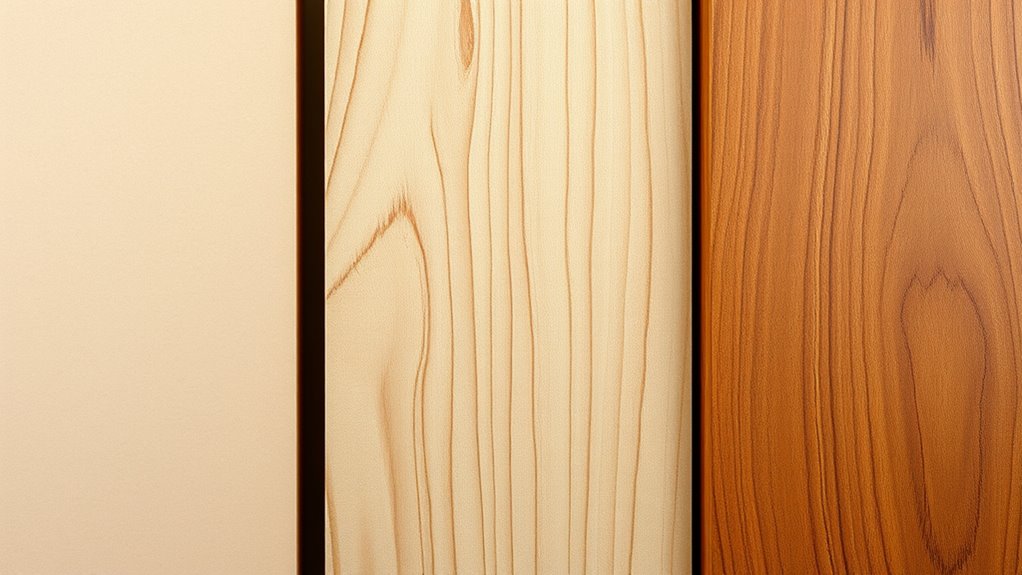
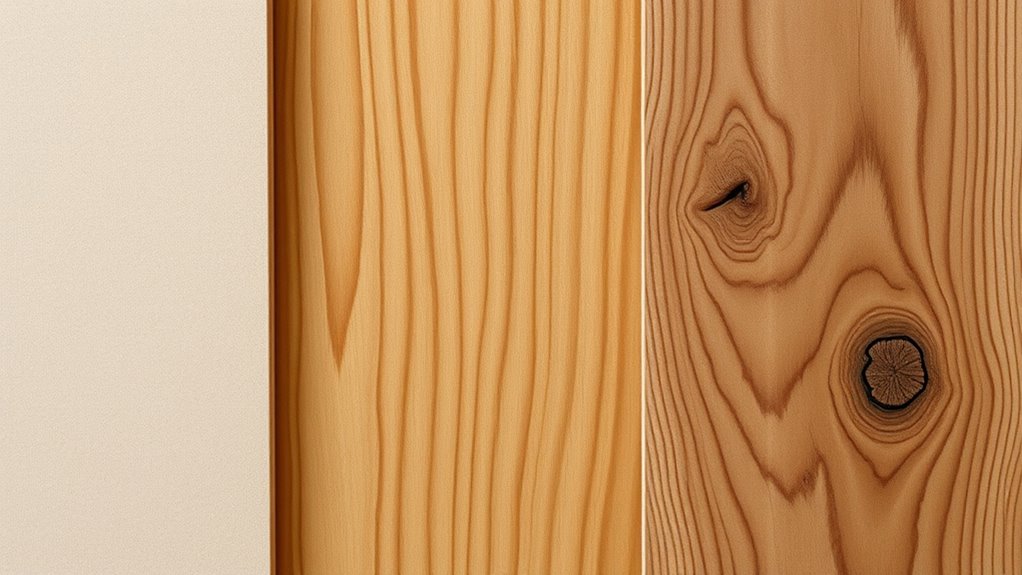
When choosing materials for your woodworking projects, understanding the differences between MDF, plywood, and solid wood is essential. Each material has unique characteristics that influence how well it fits your project’s needs, especially when it comes to grain patterns and moisture resistance. Solid wood is renowned for its natural, unique grain patterns. Every piece has its own appearance, which can add character and beauty to furniture and cabinetry. However, this natural grain also makes it sensitive to moisture changes. Wood expands, contracts, or warps when exposed to humidity fluctuations, so if your project will face moisture or temperature variations, solid wood might not be the best choice unless properly sealed and maintained.
MDF, or medium-density fiberboard, offers a very different profile. It has a smooth, uniform surface with no visible grain patterns, making it ideal for painted finishes or detailed work where a consistent surface is needed. Because MDF is manufactured from glued-together wood fibers, it doesn’t have the natural grain patterns of solid wood, which can be a benefit or a drawback depending on your aesthetic goals. When it comes to moisture resistance, MDF generally falls short. It absorbs water more readily than plywood or solid wood, swelling and losing stability if exposed to high humidity or water leaks. If you plan to use MDF in areas prone to moisture, like kitchens or bathrooms, you’ll need to seal it carefully or consider a more resistant material.
Plywood sits somewhere in between. Made by bonding multiple layers of veneer together with the grain patterns of each layer running perpendicular, plywood boasts a strength and stability that makes it suitable for structural projects. Its layered construction gives plywood good moisture resistance, especially if you choose exterior or marine-grade plywood. Its grain patterns are less prominent than those of solid wood, but the layered veneer surface can sometimes be visible, adding a subtle visual interest. Plywood’s resistance to warping and expansion makes it a reliable choice for furniture, shelving, and cabinetry where durability and moisture resistance are priorities.

(8-Pack) CalPalmy 11” x 14” MDF Boards – 1/4” Thick Boards for Carpentry, Interior Design, Hobby Crafts, and More – with Smooth, Unfinished Sides and Sanded Edges
●MEGA PACK MDF BOARDS – This pack is for 8 pieces 11 inches wide by 14 inches long…
As an affiliate, we earn on qualifying purchases.
As an affiliate, we earn on qualifying purchases.
Frequently Asked Questions
Which Material Is Most Eco-Friendly?
You’ll find plywood often more eco-friendly because it’s made from renewable sources and has better recycling potential than MDF, which uses adhesives with formaldehyde. Solid wood is also a good choice due to its natural origin and renewability. If sustainability matters most, opt for plywood or solid wood, as they typically have a lower environmental impact. Always check for FSC certification to guarantee responsible sourcing.
How Do Moisture Levels Affect Each Material’s Durability?
Moisture levels considerably impact each material’s durability. If exposed to high moisture, MDF and solid wood may swell or warp due to poor moisture resistance, leading to expansion and contraction issues. Plywood handles moisture better because of its layered construction, reducing warping risks. To maximize longevity, seal and protect all materials from excess moisture, especially in humid environments, preventing deterioration caused by expansion, contraction, and moisture damage.
Can Each Material Be Painted or Stained Effectively?
Think of each material as a blank canvas waiting for your touch. You can paint MDF smoothly with quality primer and paint techniques, but it may absorb unevenly. Plywood takes stain well, revealing rich grain patterns, making staining results vibrant. Solid wood responds beautifully to both, showcasing natural beauty with proper preparation. Your choice depends on the finish you envision, knowing each material’s unique ability to be transformed through painting or staining.
Which Options Are Best for Outdoor Applications?
For outdoor applications, plywood is your best option due to its weather resistance and durability. It handles moisture better than MDF and solid wood, which require more maintenance. Solid wood offers natural beauty but needs regular sealing to withstand the elements. MDF isn’t suitable outside as it absorbs water easily and deteriorates quickly. Choose plywood for less maintenance and better weather resistance, ensuring your project lasts longer outdoors.
How Do Costs Compare Over the Lifespan of Each?
In a cost comparison and lifespan analysis, solid wood generally costs more upfront but lasts longer, especially outdoors. Plywood offers a good balance of durability and affordability, making it suitable for many projects. MDF is the least expensive initially but tends to degrade faster outdoors, reducing its lifespan. So, for long-term outdoor use, investing in solid wood or high-quality plywood pays off, while MDF might save money initially but costs more over time.

Build It With Plywood: Eighty-Eight Furniture Projects
As an affiliate, we earn on qualifying purchases.
As an affiliate, we earn on qualifying purchases.
Conclusion
Choosing between MDF, plywood, and solid wood isn’t just about materials—it’s about your project’s future. Each has its strengths and pitfalls, but the real question is which will stand the test of time and meet your needs perfectly. Will you opt for the affordability of MDF, the versatility of plywood, or the durability of solid wood? The right choice can transform your project—if you dare to make it. Are you ready to decide?
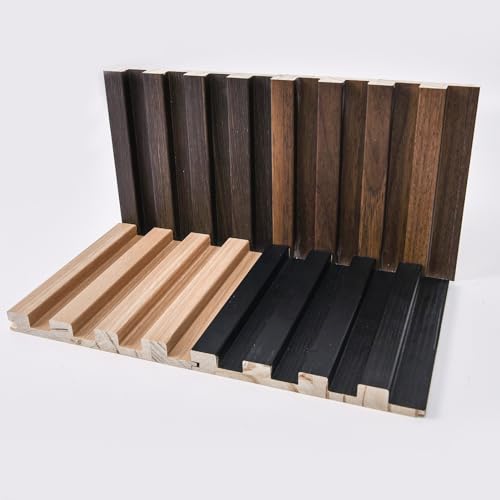
Art3d Slat Wood Wall Paneling for Interior and Ceiling Decoration – 4 Samples Pack, 6 x 5.7in.
Stylish and Modern: The tendy slat design combined with various wood finishes update interior decor in a big…
As an affiliate, we earn on qualifying purchases.
As an affiliate, we earn on qualifying purchases.

QuietWalk Underlayment 100 sq ft – 3 mm Thick – for Laminate & Hardwood Floors – Approved for Pre-Attached Pad – Recycled Fiber – Floating Install – Sound & Moisture Barrier – Made in USA
For use under laminate and hardwood flooring
As an affiliate, we earn on qualifying purchases.
As an affiliate, we earn on qualifying purchases.