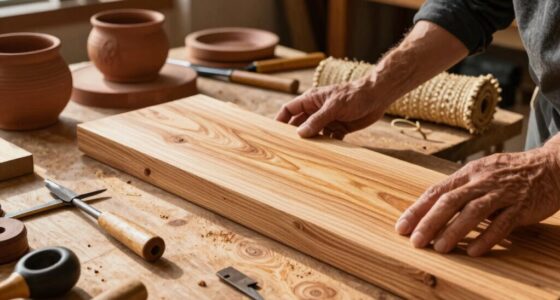

Choosing sustainable materials with a strong performance history makes future repairs easier and more straightforward. Look for options that are durable, resilient to wear and tear, and locally sourced to simplify repairs and reduce costs. These materials often require less complex fixes and support long-term use, saving you money over time. When you pick reliable, eco-friendly options, you’re setting yourself up for hassle-free maintenance. Keep exploring to discover more about the best sustainable choices for simpler repairs.

Get tools and workshop supplies delivered free — and shop member deals
- Fast, free delivery on millions of items
- Access to Prime Big Deal Days deals on October 6–7
- Prime Video, Amazon Music and more included
Key Takeaways
- Materials with a proven performance history simplify troubleshooting and repair processes.
- Locally sourced materials ensure quick access to replacement parts.
- Durable, resilient materials reduce the frequency of repairs needed.
- Eco-friendly materials often have straightforward repair methods.
- Choosing standardized, well-documented materials facilitates easier future repairs.

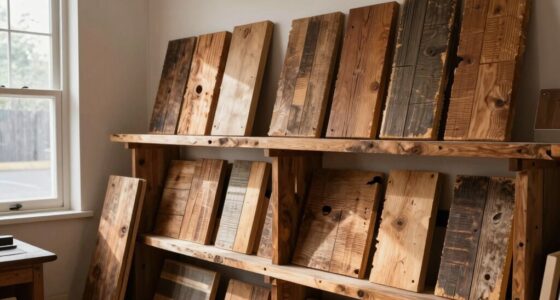
Choosing sustainable materials, such as bamboo flooring or reclaimed wood, can offer durability comparable to traditional options but with a smaller ecological footprint. These materials tend to be more resilient to wear and tear, making repairs less frequent and less complicated. Additionally, they often require less harsh chemicals for maintenance, which benefits your health and the environment. When you choose sustainable materials, you’re investing in solutions that are both eco-conscious and built to last, which ultimately reduces your repair and replacement costs. Eco-friendly materials are also often sourced locally, reducing transportation emissions and supporting local economies. Choosing locally sourced materials can further enhance the sustainability and ease of future repairs. Furthermore, selecting materials with documented performance history can help ensure long-term reliability and reduce unforeseen repair needs.
sustainable durable flooring materials
As an affiliate, we earn on qualifying purchases.
As an affiliate, we earn on qualifying purchases.
Frequently Asked Questions
How Do Different Materials Affect Long-Term Durability?
Different materials notably impact long-term durability by influencing material longevity and maintenance frequency. Durable options like concrete or metal tend to withstand weather and wear better, reducing your need for repairs over time. Softer or less resilient materials may require frequent upkeep and repairs, increasing costs and effort. Choosing the right material guarantees your structure stays strong longer, minimizing maintenance needs and enhancing its overall lifespan.
Are Some Materials More Environmentally Friendly for Repairs?
Think of choosing eco-friendly options like planting a seed for the future—sustainable materials help your repairs stay kind to the environment. Some materials, like recycled steel or bamboo, have a smaller carbon footprint and are easier to repair or replace. By selecting these sustainable options, you reduce waste and pollution, making your repairs more environmentally friendly and ensuring your project remains eco-conscious long-term.
What Is the Cost Difference Between Repair-Friendly Materials?
You’ll find that repair-friendly materials often cost more upfront, but the cost comparison depends on the specific material and project. Generally, these materials are slightly less affordable initially, but they save you money in the long run by making future repairs easier and quicker. Material affordability varies, so weigh the higher initial expense against the potential savings in time and labor during repairs.
How Do Repair-Friendly Materials Impact Property Value?
Choosing repair-friendly materials can positively impact your property value by enhancing homeowner convenience and maintaining aesthetic appeal. These materials often reduce long-term maintenance costs, making your home more attractive to potential buyers. They also guarantee your property stays visually appealing over time, boosting curb appeal. Overall, investing in repair-friendly options contributes to a more functional, attractive home, increasing its market value and making it easier for you to manage repairs in the future.
Can Repair-Friendly Materials Be Used in Extreme Weather Conditions?
Using repair-friendly materials in extreme weather is like building a fortress; they can offer good weather resilience if chosen correctly. These materials often accommodate thermal expansion and contraction, reducing cracking or damage during temperature swings. However, not all repair-friendly options excel in extreme conditions, so you should select those specifically designed for your climate to guarantee durability and easy repairs over time.
Conclusion
Choosing the right material today is like setting a sturdy foundation for tomorrow’s castle. When you opt for repair-friendly options, you’re not just building something that lasts—you’re creating a legacy of ease and resilience. Think of it as planting a seed that blooms into a garden of simplicity when repairs are needed. So, make your choice wisely, and remember, as with all great stories, the best endings are those made easier through smart beginnings.
Fall yard work Picks
leaf blowers
As an affiliate, we earn on qualifying purchases.