
TL;DR

Get business pricing on tools and workshop supplies
- Business-only prices and quantity discounts
- Tax-exempt purchasing
- Multiple users, one account, clear invoices
A House Beautiful report describes “place authenticity,” a concept that may help explain why some people feel connected to antique-filled homes and historic places. Psychologist Ashley Krause says those feelings can arise from sensory detail, history, personal meaning and community, but perceptions of authenticity vary between people.
A House Beautiful report examines place authenticity as a possible explanation for why people feel drawn to antique decor, estate sales and historic buildings. Psychologist Ashley Krause, a doctoral student at the University of Florida who studies the concept, says distinctive design, sensory detail, history and personal connections can make a place feel genuine and emotionally resonant.
Krause defines place authenticity as the distinctive quality that makes a setting feel genuine, alive and connected to its history, culture or community. The report links the idea to personal authenticity: people may feel more connected to places whose character seems singular rather than standardized. That connection, however, is a psychological interpretation, not proof that every antique or old building produces the same response.
In a study described by Krause, participants recalled times they felt connected to a particular place. She said researchers found that perceived authenticity was linked with deeper emotional and psychological connections. The supplied report does not provide the study’s sample size, methods, publication details or numerical results, so the finding cannot be assessed further from the material available here.
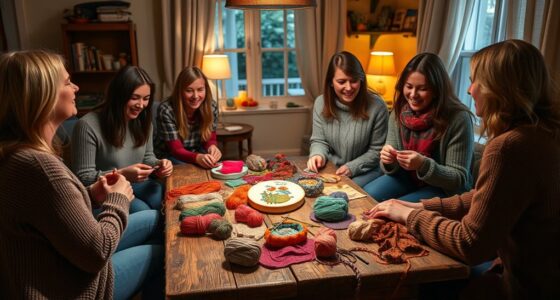
Krause identifies several elements that can shape the experience: distinctive architecture and materials, sensory richness such as textures and smells, local history or craftsmanship, and interactions that build community. A space may also feel warm and individual because it appears shaped by the people who use it. These features can occur in older places, but age alone is not presented as a measure of authenticity.
Why Distinctive Spaces Resonate
The concept offers a way to understand why a visit to a historic house or a room with inherited furniture may feel meaningful beyond its appearance. Places can serve as sources of continuity, stability and identity, Krause says, and may feel like a refuge from standardized environments. For readers making decisions about their homes, that shifts the focus from copying a period style to asking what objects and surroundings have personal meaning.
The distinction matters because antique decor is not a guaranteed route to well-being. The report describes an association between perceived authenticity and connection, not evidence that buying vintage items improves mental health. A new home can be personalized over time, while an old place may feel inauthentic to someone whose memories or values differ from those it represents.
Products Worth Considering

Bose Lifestyle Ultra Wireless Home Speaker, White Smoke

Bose Lifestyle Ultra Compact Wireless Smart Home Speaker Bundle, Black

Google Nest Learning Thermostat (3rd Gen), Stainless Steel, with 3 Temperature Sensors and elago Wall Plate
As an affiliate, we earn on qualifying purchases.
How Place Authenticity Is Defined
The report places interest in antiques and historic interiors alongside a broader appetite for homes with an individual, lived-in character. It introduces place authenticity as a socioecological concept concerned with how people experience a setting and its relationship to history, culture and community. The article draws on Krause’s explanation and a study she co-authored; it does not announce a new experiment or a change in clinical guidance.
Authenticity is subjective and situational, Krause’s account emphasizes. Two people can see the same location differently, and one person’s view can change with circumstances. The report gives the example of a neighborhood record store: one person may regard it as a genuine local gathering place, while another may see it as a replacement for a shop that better represents the neighborhood’s past.
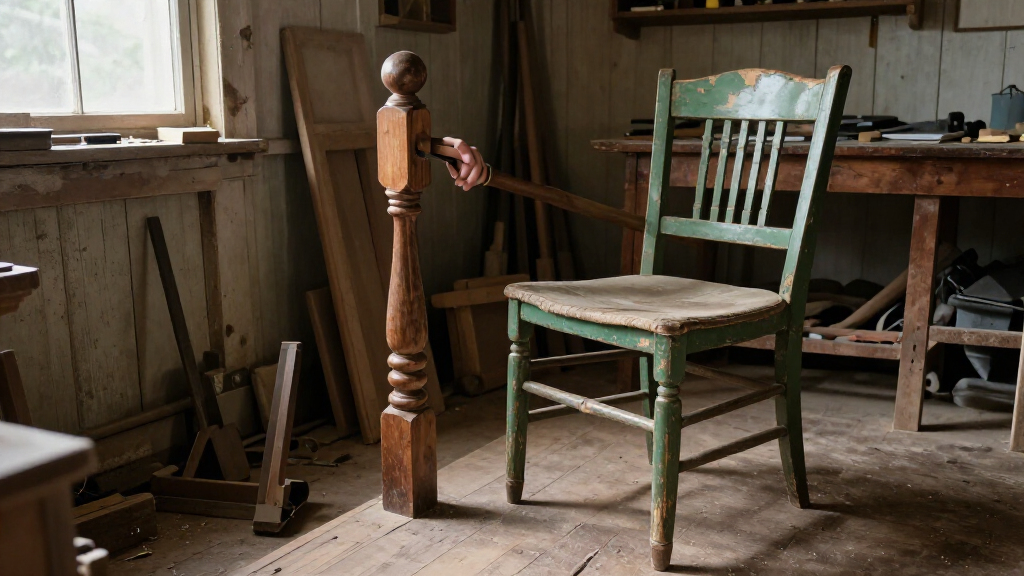
For the home, Krause recommends incorporating items with personal or cultural significance, including heirlooms, antiques and artwork. She also advises choosing details that reflect the resident’s own tastes and values. Her point is that authenticity cannot be created by imitation alone; it grows from the connections and meaning attached to a space.
“Place authenticity refers to the unique essence of a place that makes it feel genuine, alive, and connected to its history, culture, or community.”
— Ashley Krause, M.S., doctoral student in the University of Florida Department of Psychology
What the Research Does Not Show
The supplied report does not state when the underlying study was conducted or published, how many participants took part, or how the researchers measured place authenticity and emotional connection. It also provides no effect size or evidence that the relationship is causal. The finding should be read as a reported link, not proof that antiques or historic settings cause psychological benefits.
It remains unclear how broadly the results apply across different communities and types of places. The report also stresses that authenticity is subjective: the same building or shop may evoke belonging for one person and loss or displacement for another. No single decor choice can be assumed to create the same response for everyone.
Personal Meaning Over Period Style
The report offers practical suggestions rather than identifying a forthcoming research milestone. For people seeking a more rooted feeling at home, Krause’s advice is to add objects with genuine personal or cultural significance and make choices that reflect individual values. Time and lived experience, rather than a quick purchase or exact historical imitation, may shape a home’s character.
Further evaluation of the research would require the study’s full publication and methods, which are not included in the supplied material. Until those details are available, the clearest takeaway is limited: distinctive settings may support a sense of connection, but whether a place feels authentic depends on the person and the meanings they bring to it.
Key Questions
What does “place authenticity” mean?
Psychologist Ashley Krause describes it as the quality that makes a place feel genuine and connected to its history, culture or community.
Why might someone feel drawn to antique decor?
Antiques can carry personal, family or cultural meaning, and their materials and signs of age can contribute to a distinctive sensory environment. The report does not claim that age alone creates authenticity.
Does the research prove old places improve mental health?
No. The report describes a link between perceived place authenticity and emotional or psychological connection. It does not provide enough study detail to establish causation or a mental-health treatment effect.
Can a new home feel authentic?
Yes, according to Krause’s guidance in the report. Residents can build a personal sense of place with objects that matter to them and choices that reflect their own tastes and values.
Do all people experience the same place as authentic?
No. The report says perceptions can differ between people and can change for the same person. A location’s meaning depends partly on individual experience and community history.
Source: rss