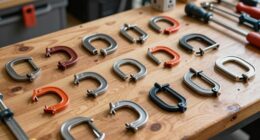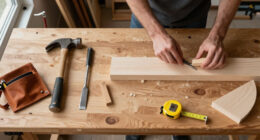

Step into a woodworker’s daily routine, where you begin by selecting the right wood and carefully planning your project. You spend time sharpening tools, ensuring precision in cutting, shaping, and assembling each piece. The workspace buzzes with activity, filled with sawdust and the scent of fresh timber. Throughout the day, you troubleshoot, refine techniques, and take pride in your craftsmanship. Keep going, and you’ll discover more about the skills and dedication behind woodworking mastery.
Listen free for 30 days with Audible
Thousands of audiobooks and originals — cancel anytime.
As an affiliate, we earn on qualifying purchases.
Key Takeaways
- A typical day involves selecting suitable wood, planning designs, and transforming raw materials into finished pieces.
- Regular tool maintenance, including sharpening blades and calibrating equipment, is essential for quality work.
- Woodworkers use techniques like precise marking, cutting, sanding, and assembling to ensure craftsmanship.
- The workspace is busy with saws, sanders, and the scent of wood, fostering creativity and focus.
- Continuous learning and skill refinement are vital, inspired by craftsmanship and related creative fields.

Have you ever wondered what it takes to turn raw wood into beautiful, functional pieces? As a woodworker, your day revolves around mastering woodworking techniques that transform simple planks into intricate furniture, decor, or art. It’s a craft that demands precision, patience, and a deep understanding of materials. Each project begins with selecting the right type of wood, considering its grain, strength, and appearance. Then, you plan your design, sketching out dimensions and details. From there, woodworking techniques come into play—cutting, shaping, sanding, and assembling. Every step requires skill and attention to detail to guarantee the final piece is both beautiful and durable.
Mastering woodworking begins with selecting the right wood and refining your craft through precision techniques.
One of the most critical aspects of your daily routine is tool maintenance. You know that sharp, well-maintained tools make all the difference in achieving clean cuts and smooth finishes. Dull blades or poorly calibrated equipment can ruin hours of work and compromise safety. That’s why you spend time regularly inspecting and caring for your tools—cleaning saw blades, honing chisels, and calibrating your planes. Proper tool maintenance isn’t just about keeping your tools in good condition; it’s about respecting the craft and ensuring each project meets your standards. It also extends the lifespan of your equipment, saving you money and frustration over time.
Throughout your day, you switch between different woodworking techniques depending on the project. For instance, if you’re creating a dovetail joint, you’ll focus on precise marking and careful sawing. If you’re finishing a piece, sanding and applying protective finishes become your priority. No matter what task you’re tackling, you’re constantly applying and refining your skills, learning from each project. You might also spend time troubleshooting issues—like correcting warped wood or fixing a misaligned cut—always thinking ahead to prevent problems.
Your workspace is a hub of activity, filled with the hum of saws, the scent of freshly cut wood, and the satisfaction of seeing a project come together. Each piece you craft is a reflection of your expertise and dedication. As you work, you’re not just building furniture; you’re creating art and function, all rooted in your mastery of woodworking techniques and your commitment to meticulous tool maintenance. Staying updated on trailer music techniques can also inspire innovative project ideas and enhance your creative process. It’s a craft that demands respect and continual learning, but the reward is in the craftsmanship you bring to life with every project.
As an affiliate, we earn on qualifying purchases.
Frequently Asked Questions
What Inspired You to Become a Woodworker?
You’re inspired to become a woodworker because you love turning sustainable sourcing into beautiful, functional pieces. Design inspiration fuels your creativity, pushing you to craft unique furniture and art from natural materials. You feel a deep connection to the craft, knowing that your work respects the environment while showcasing your skill. This passion for sustainable design and innovative ideas keeps you motivated every day to improve and explore new techniques.
How Do You Choose Your Wood Materials?
You choose your wood materials by visualizing the grain’s dance, feeling the texture beneath your fingertips. You prioritize sustainable sourcing, ensuring each piece comes from responsible forests. The warmth of the wood’s natural hues guides your eye, and you select grains that tell a story, blending beauty with integrity. Every decision reflects your commitment to craftsmanship and environmental care, creating pieces that resonate with both artistry and purpose.
What Safety Precautions Do You Follow Daily?
You prioritize safety by always wearing the proper safety gear, like goggles, ear protection, and gloves. You stay alert and maintain hazard awareness, regularly inspecting tools and workspaces for potential dangers. You follow safety protocols, such as turning off equipment when not in use and keeping your workspace clean, to prevent accidents. These habits help you work efficiently while minimizing risks and ensuring a safe environment every day.
How Do You Handle Mistakes or Setbacks?
When you encounter mistakes or setbacks, you handle them by focusing on quality control and learning from errors. You assess what went wrong, correct the issue, and adjust your techniques to prevent future problems. This approach helps you improve your craftsmanship over time. Embracing setbacks as opportunities for growth keeps you motivated and ensures your work maintains high standards, ultimately making you a better woodworker.
What Are Your Favorite Woodworking Tools?
Did you know that the average woodworker owns over 15 tools? Your favorites likely include versatile items like a quality saw or chisel, essential for precise woodworking techniques. You understand that maintaining your tools is key—regular tool maintenance keeps them sharp and safe, ensuring your projects turn out perfect. By choosing reliable tools, you can confidently craft intricate designs and bring your woodworking ideas to life with ease.
Conclusion
As you step back and admire your work, remember that like Da Vinci, every stroke and cut holds history and purpose. Your craftsmanship transforms raw wood into timeless pieces, echoing the artisan’s legacy. Each day in the workshop is a chapter in a story of patience and skill, reminding you that true artistry lies in dedication. Keep carving your path—you’re creating more than furniture; you’re shaping your own masterpiece.
Flea & tick season Picks
flea and tick prevention
As an affiliate, we earn on qualifying purchases.