
TL;DR

Get business pricing on tools and workshop supplies
- Business-only prices and quantity discounts
- Tax-exempt purchasing
- Multiple users, one account, clear invoices
A Hunker report describes using a curtain rod and S-shaped hooks to move utensils and other items off kitchen counters. The idea can add accessible hanging storage, but the report gives a typical rod capacity of 20 to 50 pounds and advises keeping the setup away from the stove.
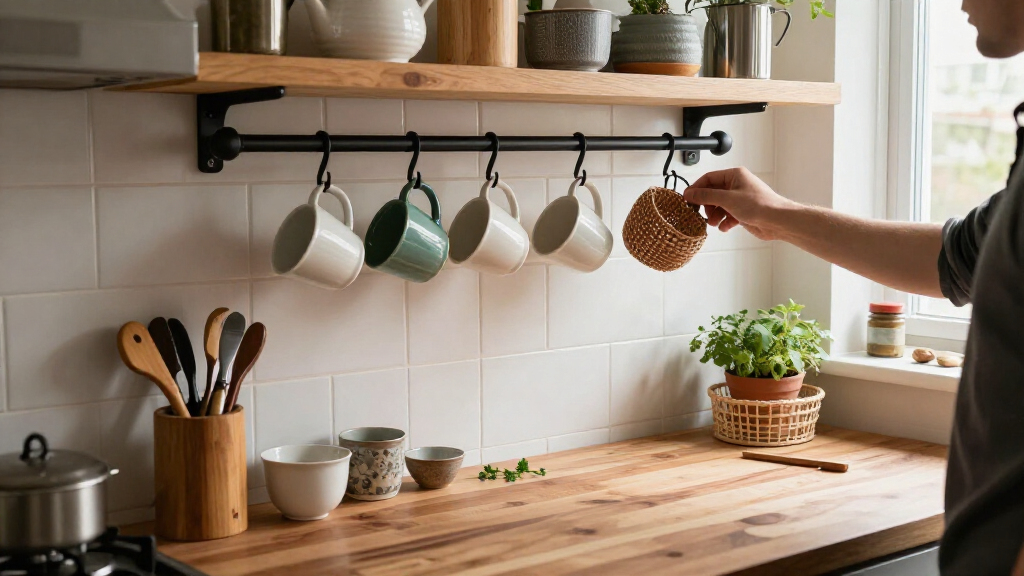
Hunker has reported a kitchen-storage idea that repurposes a curtain rod and S-shaped hooks to hang utensils and other items, potentially clearing space on crowded countertops. The setup can also hold mugs, cutting boards and measuring cups, but the report cautions that rod capacity is typically 20 to 50 pounds and recommends avoiding installation above the stove.
The method is straightforward: choose an open wall area, measure it, install a rod suited to the space, then attach movable S-hooks for items with handles or loops. Hunker suggests looking between or beneath cabinets or along a backsplash. A basket supported by two hooks can hold smaller objects such as spice jars.
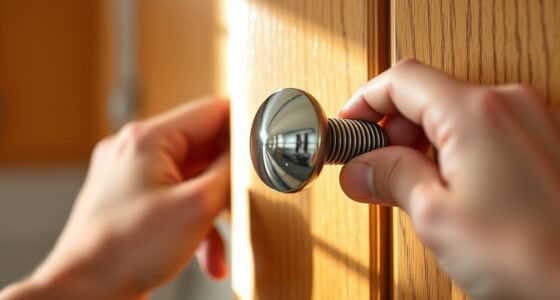
The report says a conventional curtain rod generally needs screws and mounting hardware for secure support. A tension rod fitted between cabinets is another option, particularly for renters who want to avoid making holes. The article also mentions cabinet knobs as possible anchors for a more decorative setup, though the source does not provide load-testing details for that arrangement.
Placement and reach matter. The rod should be at a height that allows users to retrieve items comfortably, and the objects selected should suit the hardware and its installation. Hunker notes that rods commonly support 20 to 50 pounds; that range is general guidance in the source, not a rating for every rod or mounting surface. The report does not specify a particular product or installation standard.
More Work Surface in Small Kitchens
Moving frequently used tools off the counter can make a compact kitchen easier to use for food preparation and everyday organization. The benefit is practical rather than a guaranteed result: the amount of space recovered depends on what is hung, how much counter area it occupied and whether the kitchen has a suitable wall or cabinet gap.
Keeping items visible may also make them easier to reach, but open storage can expose them to cooking residue and dust. The report’s warning about the stove is especially relevant: hanging utensils close to heat or splatter can create cleaning and safety concerns. The rod should be treated as modest storage, not as a substitute for purpose-built shelving or a load-rated system.
Products Worth Considering

Shark Navigator Lift-Away Upright Vacuum Cleaner (NV356E)

Dyson Car+Boat Cordless Handheld Vacuum

Philips Hue Festavia Globe Outdoor String Lights, 32 Bulbs, 91 ft
As an affiliate, we earn on qualifying purchases.
A Small DIY Storage Change
The source is a Hunker home and kitchen report, not a product test or engineering assessment. It frames the rod as a way to use vertical wall space when counters are occupied by utensils and kitchen equipment. It also says the rods can be adjusted and installed quickly, but it does not provide a measured installation time or independently verified performance data.
Hunker’s article includes a disclosure that it may receive a commission on purchases made from links. It names inexpensive S-hooks as an example, but the storage suggestion does not depend on a specific brand. Readers should choose hardware based on the rod, wall or cabinet material, and the weight of the items they intend to hang.
““Every inch of counter space is crucial for meal prep and organization, especially if you live in an apartment or home with a smaller kitchen.””
— Hunker
Capacity Depends on the Installation
The source does not identify a tested rod model, explain how its 20-to-50-pound capacity range was established, or specify how much weight a particular wall, cabinet or tension fit can support. Actual capacity will depend on the product, mounting hardware, surface and installation. The report also does not provide a detailed assessment of local building requirements or the suitability of every surface.
It is also unclear how much usable counter space an individual household would recover, since that depends on the items moved and the kitchen layout. The suggested setup is a storage idea, not a verified solution for heavy cookware or items that are difficult to secure on hooks.
Measure, Mount and Check the Load
Anyone considering the idea can start by measuring a suitable wall or cabinet gap and checking the rod maker’s instructions and capacity before buying hardware. Place the rod where items are within easy reach and away from the stove, then hang only objects the hooks can hold securely. For screw-mounted rods, use hardware appropriate to the mounting surface; renters may prefer a properly fitted tension rod, while still checking its own load limits.
After installation, users should check that the rod and hooks remain stable as items are added and remove weight if anything shifts. Hunker’s report offers no follow-up testing or independent results, so the practical outcome will depend on the individual kitchen and setup.
Key Questions
What can a curtain rod hold in a kitchen?
Hunker suggests hanging utensils, mugs, cutting boards and measuring cups from S-hooks. A small basket supported by two hooks can hold items such as spice jars. The report does not test specific combinations or products.
How much weight can a curtain rod support?
The report gives a typical range of 20 to 50 pounds, but capacity varies by rod and installation. Check the manufacturer’s rating and account for the mounting surface and hardware rather than treating the range as a guarantee.
Can renters use this kitchen-storage idea?
Hunker suggests a tension rod between cabinets as an option that avoids screw holes. Its fit and stated load limit still need to suit the space and the items being hung.
Where should the rod go?
The report suggests an open area between or below cabinets or along a backsplash, at a height that is easy to reach. It advises against placing the rod above the stove because of heat, grease and fire concerns.
Source: hunker.com