
Choosing between pocket holes, dowels, and tenons depends on your project’s needs. If you value speed and ease, pocket holes are ideal, but they may compromise strength. For a seamless look and decent durability, dowels work well, especially in cabinetry. Tenons, though more complex to make, offer maximum strength and a traditional appearance for heirloom furniture. To find out which joint suits your project best, explore the details ahead.
Key Takeaways
- Tenons offer the highest strength and durability, ideal for heirloom or rustic furniture.
- Dowel joints balance strength and aesthetic subtlety, suitable for modern and traditional designs.
- Pocket holes provide quick, easy assembly, best for projects prioritizing speed over maximum strength.
- Choice depends on furniture purpose: durability favors tenons, aesthetics favor dowels, and efficiency favors pocket holes.
- Overall, tenons are superior for longevity, dowels for a refined look, and pocket holes for DIY convenience.
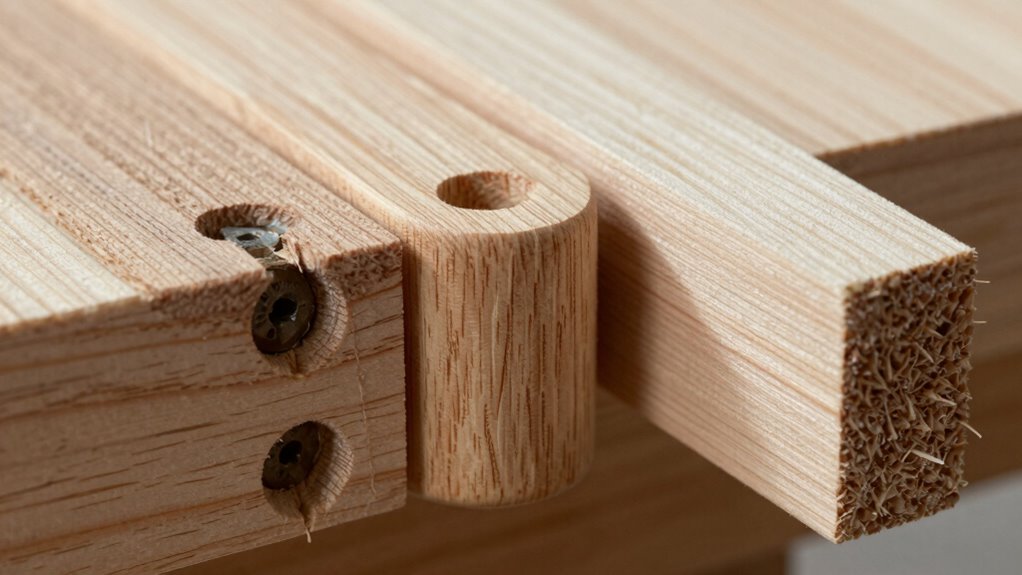
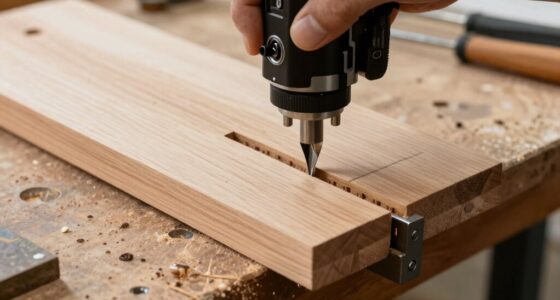
When choosing the best joinery method for your woodworking project, understanding the differences between pocket holes, dowels, and tenons is essential. Each technique offers unique advantages and suits different furniture design trends, so knowing which one to use can make or break your project’s success. Pocket holes are favored for their speed and ease, especially in projects where strength isn’t the primary concern. They involve drilling an angled hole into one piece, then screwing into the adjoining piece, creating a strong, concealed joint. This method is popular among DIY enthusiasts because it requires minimal specialized tools and allows for quick assembly. However, pocket hole joints can sometimes compromise the visual appeal if not properly concealed, which might clash with modern or sleek furniture design trends that favor cleaner lines. Manufacturing techniques also influence the choice, as some joinery methods are better suited for mass production versus custom craftsmanship.
Choosing the right joinery method depends on project purpose, aesthetic, and tools; pocket holes are quick, dowels balance strength and subtlety, tenons are highly durable.
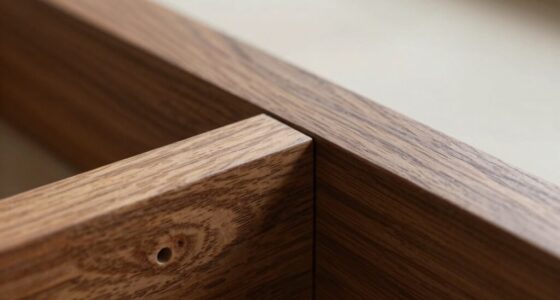
Dowels, on the other hand, provide a more traditional and refined approach. They involve drilling precise holes in both pieces and inserting wooden dowels to align and strengthen the joint. Dowel joints are often used in cabinetry and furniture where a more seamless appearance matters. They require a bit more skill and equipment than pocket holes but result in a joint that’s sturdy and less visible, aligning well with contemporary furniture design trends emphasizing minimalism and craftsmanship. The process demands careful measurement and alignment, but the payoff is a durable joint that can withstand daily use without sacrificing aesthetics.
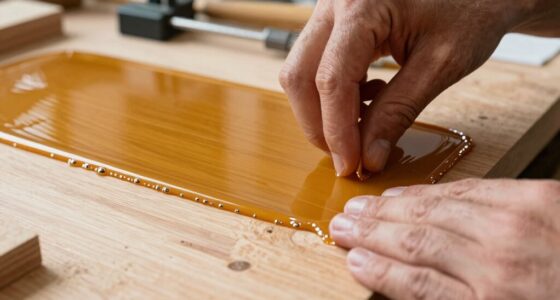
Tenons are considered the most robust and traditional method among the three. This technique involves cutting a projection – the tenon – on one piece that fits into a corresponding cavity, the mortise, on the other. Tenon joints are the backbone of many classic furniture styles like Shaker or Arts and Crafts, and they’re prized for their strength and longevity. Although creating tenon joints requires more advanced woodworking techniques, tools, and patience, the result is a highly durable connection that resists pulling apart and twisting. If your furniture design trend leans toward heirloom quality or rustic charm, tenons are often the preferred choice. They also add an authentic touch to projects that emphasize craftsmanship and tradition.
Ultimately, the best joinery method depends on your project’s purpose, aesthetic goals, and the tools at your disposal. Pocket holes excel in quick, less visible connections suitable for certain furniture styles, while dowels offer a balance of strength and subtlety. Tenons deliver durability and a timeless look, ideal for high-quality, enduring furniture. By understanding these woodworking techniques and their fits within current furniture design trends, you can select the joint that best aligns with your vision and craftsmanship standards.

VEVOR Pocket Hole Jig Kit, 34 Pcs Pocket Hole Jig System with 11" C-clamp, Fixture, Step Drills, Wrenches, Drill Stop Rings, Square Drive Bits, Toolbox, Adjustable, for DIY Carpentry Projects
Stability and Power are Here: Are you looking for a durable pocket hole jig kit? Our kit features…
As an affiliate, we earn on qualifying purchases.
As an affiliate, we earn on qualifying purchases.
Frequently Asked Questions
Which Joint Type Is the Strongest for Load-Bearing Furniture?
If you’re looking for the strongest joint type for load-bearing furniture, tenons are your best choice. They offer superior joinery strength and load capacity because they create a solid, interlocking connection that resists pulling apart and twisting. Dowels are also strong but less so under heavy loads. Pocket holes tend to be weaker for load-bearing applications, so for durability and maximum strength, tenons are the way to go.
Can Pocket Holes Be Hidden Effectively in All Wood Types?
Sure, pocket holes can be hidden in all wood types, if you enjoy the challenge of grain matching and perfect finishing techniques. The irony? It’s often easier in softwoods, where the grain is forgiving, but in hardwoods, you’ll need precision to hide those screws seamlessly. With careful grain matching and skillful finishing, you can make pocket holes virtually invisible, turning a practical joint into a stealthy design feature.
Are Dowel Joints Suitable for Outdoor Furniture?
Dowel joints can be suitable for outdoor furniture if you prioritize weather resistance, as they’re typically made from durable, weather-resistant wood or sealed properly. However, consider aesthetic considerations, since visible dowels might impact the look. To guarantee longevity, use treated or hardwood dowels and apply protective finishes. With proper sealing and material choice, dowel joints can hold up well outdoors without sacrificing style.
How Does Joint Durability Compare Over Long-Term Use?
Think of joint durability like a well-tended garden; with proper care, it flourishes long-term. Dowel joints often withstand wood expansion and contraction better over time, but they still need regular joint maintenance. Pocket holes may loosen with age, especially in outdoor conditions, while tenons tend to be more stable but are more complex to craft. Overall, proper assembly and ongoing care are key to lasting durability.
Which Joint Type Is Easiest for DIY Beginners to Assemble?
If you’re a DIY beginner, pocket holes are the easiest to assemble because they require minimal woodworking safety concerns and work with common tools like a pocket hole jig and drill. They’re quick, strong, and compatible with many materials. Dowels need precise drilling and alignment, while tenons are more complex, requiring saws and chisels. Pocket holes simplify the process, making them perfect for newcomers seeking quick, reliable joints.
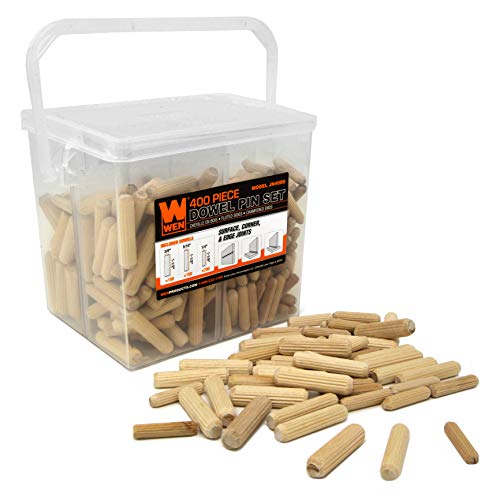
WEN JN400D 400-Piece Fluted Dowel Pin Variety Bucket with 1/4, 5/16, and 3/8-inch Woodworking Dowels
Great for creating sturdy joints in woodworking projects, furniture repair, and more
As an affiliate, we earn on qualifying purchases.
As an affiliate, we earn on qualifying purchases.
Conclusion
When choosing between pocket holes, dowels, and tenons, consider your project’s strength and ease. Did you know that tenon joints can withstand up to 600 pounds of force? While pocket holes are quick and perfect for hidden connections, dowels offer a balance of strength and simplicity. Ultimately, selecting the right joint depends on your needs — but knowing their strengths helps you make smarter furniture choices.

Mortising Machine, Tenon Tools Mortising Attachment for Drill Press and Woodworking Mortise, Bench Drill Locator Set for Mortiser Circles/Square Hole Chisel Drilling Machine Mortise Machine.
Mortising Attachment for Drill Press Set include:locator,press block,side positioning rod,fixed seat and other accessories,also comes with 4 kinds…
As an affiliate, we earn on qualifying purchases.
As an affiliate, we earn on qualifying purchases.

VEVOR Bar Clamps for Woodworking, 2-Pack 36" Clamp, Quick-Change F Clamp with 600 lbs Load Limit, 2.5" Throat Depth, Cast Iron and Carbon Steel, Wood Clamps for Woodworking Metal Working
High-quality Materials: The jaws of our bar clamps is made of cast iron, sturdy and not easy to…
As an affiliate, we earn on qualifying purchases.
As an affiliate, we earn on qualifying purchases.