
A strong joint isn’t just about choosing the right glue; it also depends on proper surface prep, like cleaning and roughening the materials for better bonding. Environmental factors such as humidity and temperature can weaken the bond if not taken into account, and correct application techniques ensure your adhesive works effectively. Material compatibility also matters, preventing chemical reactions that cause failure. Keep in mind, combining these factors leads to lasting, reliable joints—stay tuned to discover how to optimize all these elements for success.
Key Takeaways
- Proper surface preparation ensures optimal adhesion and prevents bond failure caused by dirt, grease, or old paint.
- Environmental factors like moisture and temperature fluctuations can weaken adhesive bonds over time.
- Correct application techniques, including even spreading and adequate curing, are crucial for joint strength.
- Material compatibility and chemical interactions influence the durability and longevity of the bonded joint.
- A holistic approach considering all factors—surface prep, environment, application, and material—ensures a reliable, durable bond.
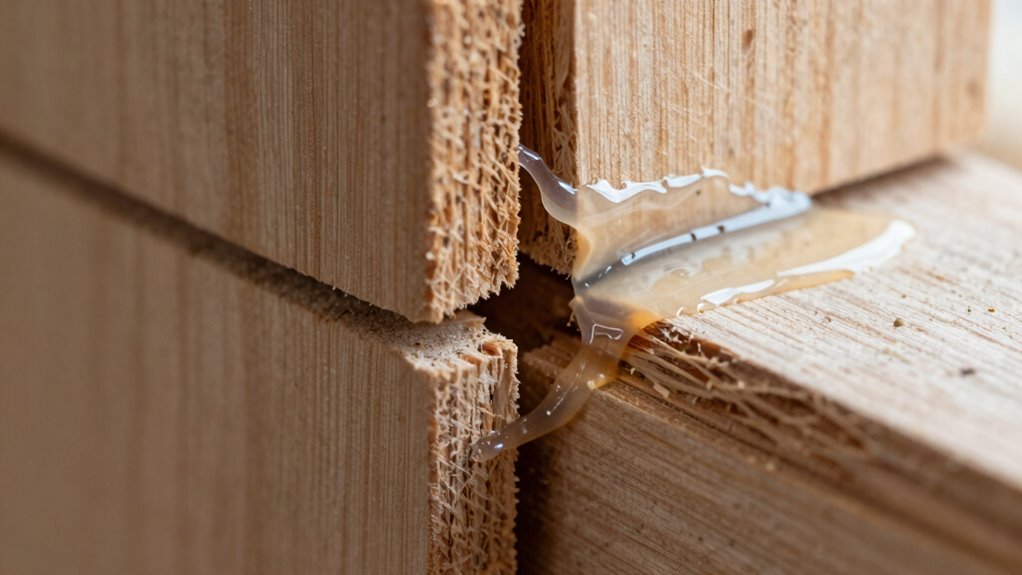
Have you ever wondered why some glued joints fail despite using the strongest adhesive? The answer often lies in factors beyond just the glue itself. Surface preparation plays a pivotal role. If you don’t clean, sand, or roughen the surfaces properly, the adhesive can’t make a solid bond. Dirt, grease, or old paint can act as barriers, preventing the glue from penetrating and anchoring effectively. Even a small amount of dust or moisture can weaken the joint, so it’s imperative to prepare surfaces meticulously before applying any adhesive. Skipping this step might seem minor, but it considerably impacts the joint’s strength and durability.
Proper surface prep is essential—clean, sand, and remove debris for a strong, durable adhesive bond.
Environmental factors also have a substantial influence on the success of glued joints. Changes in temperature, humidity, and exposure to elements can weaken the bond over time. High humidity or moisture can cause the adhesive to break down or fail to cure properly, especially if the glue isn’t designed for such conditions. Extreme temperatures can cause expansion or contraction of materials, stressing the bond and leading to cracks or separation. Sunlight, rain, and even fluctuating weather patterns can accelerate deterioration if the joint isn’t protected or suited for outdoor use. You need to take into account the environment where the joint will be placed and select an adhesive that withstands those conditions. Additionally, environmental conditions such as UV exposure or saltwater can significantly impact the longevity of outdoor bonds. Understanding these factors helps in choosing the right adhesive for specific conditions. Moreover, considering material compatibility can prevent chemical reactions that weaken the bond over time.
But it’s not just about surface prep and environment. The way you apply the glue matters deeply. Using the right amount, spreading it evenly, and clamping the joint properly are essential steps. Over-application can cause weak spots or squeeze-out, while under-application leaves gaps for moisture or air to weaken the bond. Clamping ensures the adhesive bonds uniformly, creating the pressure needed for a strong joint. Without proper application techniques, even the best adhesive can fail. Additionally, understanding the adhesive properties and how they interact with different materials can help prevent mismatched bonds. Proper curing time is another critical factor that can influence the overall strength of the joint, ensuring the adhesive reaches its full potential. Moreover, the adhesive’s compatibility with the materials involved can determine whether the bond will hold over time.
In the end, a strong glued joint depends on more than just choosing the right glue. Proper surface preparation, awareness of environmental factors, correct application, and material compatibility all work together to guarantee lasting strength. Just relying on adhesive strength alone isn’t enough—you need to address these other essential factors to truly make your joints reliable and durable.
surface prep for woodworking glue
As an affiliate, we earn on qualifying purchases.
As an affiliate, we earn on qualifying purchases.
Frequently Asked Questions
Can Glue Hold Heavy Loads Indefinitely?
No, glue alone can’t hold heavy loads indefinitely. Over time, factors like adhesive flexibility and bond aesthetics come into play, affecting its strength. Heavy loads can cause stress, leading to potential failure if the bond isn’t reinforced with mechanical fasteners or stronger materials. You should consider additional support methods to guarantee durability, especially where long-term, heavy-duty holding capacity is essential.
How Does Temperature Affect Glue Strength?
Temperature affects glue strength like a rollercoaster ride—rising heat can weaken it, while cold may make it brittle. When it gets hot, thermal expansion can cause materials to pull apart, reducing adhesion. Conversely, colder temperatures increase adhesive viscosity, making the glue less flexible and more prone to cracks. So, maintaining a stable temperature is vital to guarantee your bond stays strong and reliable over time.
Are Some Materials Incompatible With Certain Adhesives?
Yes, some materials are incompatible with certain adhesives due to material compatibility issues. You need to take into account adhesive limitations, as certain glues don’t bond well with plastics, metals, or porous surfaces. Always check manufacturer guidelines for compatibility before applying, because using an incompatible adhesive can weaken the joint or cause it to fail. Properly matching materials and adhesives ensures a stronger, more durable bond.
What Are Common Causes of Joint Failure?
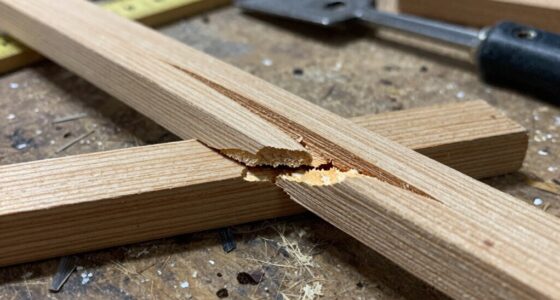
You might face joint failure if you neglect proper surface preparation, leading to poor adhesion. Adhesive compatibility also plays a critical role—using the wrong glue for your materials can weaken the bond. Additionally, environmental factors like moisture, temperature shifts, or mechanical stress can cause failure. Ensuring clean, dry surfaces and selecting the right adhesive for your materials helps create a strong, lasting joint.
How Long Does It Take for Glue to Cure Completely?
You’ll want to know that the drying time varies depending on the glue type, but generally, it takes about 15 minutes to an hour for the surface to dry enough for handling. The curing process, however, can take anywhere from 24 hours to several days, depending on the adhesive and environmental conditions. For the strongest bond, avoid stressing the joint until the glue has fully cured.
Conclusion
Relying solely on glue might seem enough, but did you know that in many cases, joints can fail under stress even with strong adhesives? For instance, studies show that up to 80% of joint failures happen due to improper surface preparation or lack of mechanical support. So, don’t just trust the glue—combine it with proper techniques like clamping or reinforcement. This way, you’ll guarantee your projects stay strong and durable for the long haul.