
TL;DR

Get tools and workshop supplies delivered free — and shop member deals
- Fast, free delivery on millions of items
- Access to Prime Big Deal Days deals on October 6–7
- Prime Video, Amazon Music and more included
An Ideal Home report says a stick of chalk, which may cost about £2, can be drawn around doors, windows and other entry points as a possible spider deterrent. Pest and home-maintenance experts quoted in the report describe it as an extra measure, not a reliable way to keep every spider out; its effectiveness and how long it lasts are uncertain.
An Ideal Home report says a stick of chalk costing about £2 may help deter some spiders from entering homes when drawn around door thresholds, window frames and small gaps. Experts quoted by the publication describe chalk as an extra deterrent, not a guaranteed barrier, and say it can lose effectiveness when damp, disturbed or cleaned away.
The suggested approach is to identify likely entry points and draw a line of chalk around them. Home-maintenance expert Emily Green of Howarth Timber told Ideal Home that useful locations include external door thresholds, window frames and small gaps, as well as indoor windowsills, doorways and spaces around frames. She advised testing the chalk on an inconspicuous area first because it may mark some surfaces.
Mosh Latifi, co-owner of EcoCare Pest Management, told the publication that chalk is calcium carbonate and argued that its surface and texture may make it unpleasant for spiders to cross. The report presents this as an explanation from a pest-management professional; it does not cite research establishing how reliably chalk barriers repel spiders or which species respond to them.
Both experts’ comments point to practical limits. Latifi said moisture, foot traffic and cleaning can degrade the line, so it needs regular refreshing. Green characterised chalk as an additional measure rather than a main defence. The report recommends using it alongside steps such as closing windows, sealing visible gaps and reducing conditions that may attract spiders.
A Low-Cost Measure With Limits
For householders looking for an inexpensive autumn measure, chalk is easy to try and does not require specialist equipment. But the report does not establish that it will keep spiders out, or quantify how much it might reduce their presence. Readers should treat the roughly £2 purchase as a possible, temporary deterrent rather than a substitute for addressing access points.
The practical issue is upkeep: a line at a doorway may be walked over, while chalk around a window can be affected by damp or cleaning. The approach is therefore likely to need regular attention, and it may not suit surfaces that are easily marked. Sealing gaps and managing open windows address routes into the home directly, while chalk is described only as discouraging spiders from crossing particular surfaces.
As an affiliate, we earn on qualifying purchases.
Autumn Spider Advice From Experts
The Ideal Home report frames the suggestion as seasonal advice, saying spider activity is high in autumn and recommending chalk barriers in early October. Latifi attributed increased movement at that time to male spiders seeking mates and said a dry day would give the chalk a better chance of remaining effective. These are expert comments reported by Ideal Home, not findings supported in the article by independent data on spider numbers or the effectiveness of chalk.
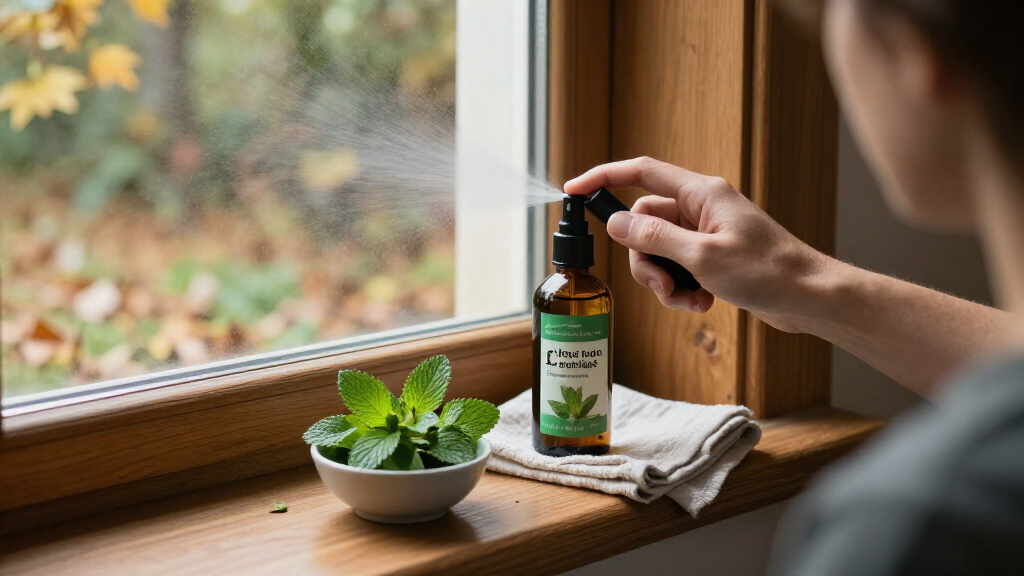
The report also recommends a layered approach: keep windows shut where practical, seal gaps around frames and consider reducing bright evening lights, moisture and clutter. Latifi suggested peppermint oil spray alongside chalk, but the article does not provide comparative evidence for that combination. The central advice is to treat barriers and household changes as separate measures that may complement each other.
How Well Chalk Works Remains Unclear
The source report does not cite controlled tests, measurements of spider activity, or a success rate for chalk barriers. It also does not specify how long a line typically remains effective, how often it should be reapplied, or whether results vary by surface, species or household conditions. Latifi’s explanation of how chalk may affect spiders is an expert account, not proof that a barrier will prevent entry.
It is also unclear whether the method would make a noticeable difference in a particular home. The report acknowledges that chalk may not work for every spider and that it cannot keep them out entirely. The stated £2 price is not linked to a named retailer or a dated price check, so it should be read as an approximate cost rather than a verified current price.
Check Gaps and Maintain Barriers
Householders following the advice can first inspect doors and window frames for visible gaps, then decide whether a chalk line is suitable for the surface. The report recommends trying chalk on a discreet patch, applying it when conditions are dry and refreshing it after moisture, cleaning or heavy foot traffic. It gives no fixed reapplication schedule.
For a more direct measure, the experts quoted recommend physically sealing visible gaps and keeping windows closed when practical. Whether chalk barriers reduce spider activity in homes remains unquantified in the report; any assessment of the method’s real-world performance would require evidence beyond the expert recommendations cited there.
Key Questions
How is chalk supposed to deter spiders?
Latifi told Ideal Home that chalk’s dry, powdery texture and calcium carbonate composition may make a surface unpleasant for spiders to cross. The report does not cite testing that confirms how reliably this works.
Where should chalk be drawn?
Green recommended likely entry points such as door thresholds, window frames, small gaps, indoor windowsills and doorways. She also advised testing a hidden area first because chalk can mark some surfaces.
Will a chalk barrier keep all spiders out?
No. The report describes chalk as an extra deterrent and says it may not work for every spider. It does not establish that chalk alone can prevent spiders from entering.
How often should the chalk be refreshed?
The report gives no set schedule. Latifi said moisture, foot traffic and cleaning degrade chalk barriers, so they need refreshing when disturbed or worn away.
What other measures does the report suggest?
It recommends sealing visible gaps and keeping windows shut where practical. It also mentions managing moisture and clutter and reducing bright evening lights; these suggestions are presented as household steps, not as a proven package with a measured effect.
Source: rss
Fall Picks
fall essentials
As an affiliate, we earn on qualifying purchases.