To build a custom bookshelf for your living room, start by choosing durable materials like solid wood or engineered options that match your decor. Sketch your design, considering size, style, and weight support. Select finishes that complement your space and plan for sturdy, easy-to-assemble supports. Focus on functionality and aesthetics to create a piece that fits perfectly and reflects your style. Keep exploring as there’s plenty more to help you craft a perfect bookshelf.
Key Takeaways
- Choose durable, aesthetic materials like solid wood, engineered wood, or metal based on style and weight support needs.
- Gather inspiration from design sources and decide on a style that complements your living room decor.
- Plan dimensions and layout carefully, sketching or using design software to ensure a perfect fit.
- Consider practical aspects such as weight capacity, ease of assembly, and functionality during the design process.
- Select finishes and incorporate personal touches to create a custom, cohesive, and durable bookshelf.
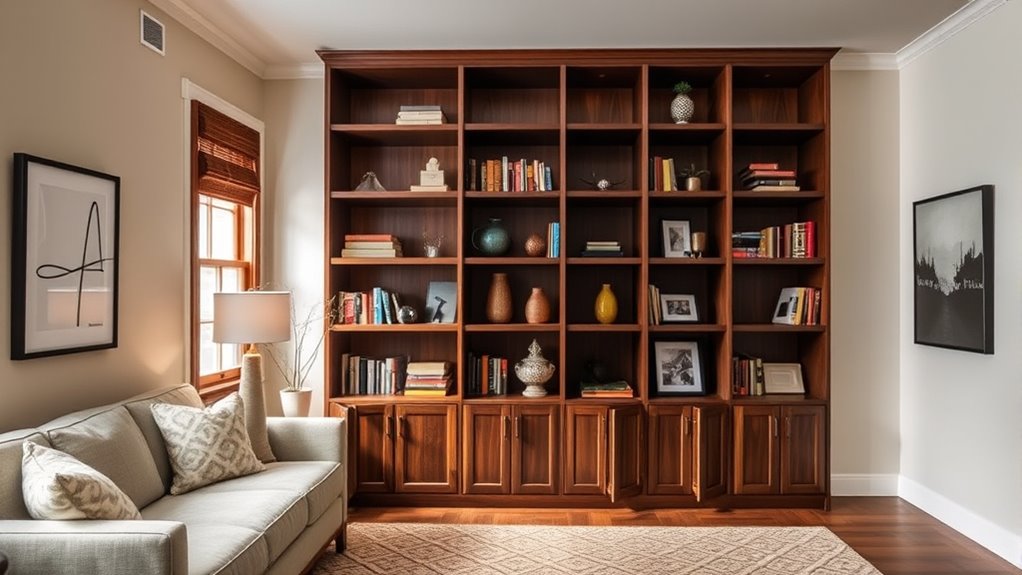
Are you ready to create a bookshelf that perfectly fits your space and style? Building a custom bookshelf is an exciting project that allows you to tailor every detail to your needs. The first step is selecting the right materials. Your choice of materials impacts not only the durability and functionality of your bookshelf but also its aesthetic appeal. Think about where you’ll place it and how much weight it needs to support. For a sturdy, classic look, solid wood like oak, maple, or walnut works beautifully. If you prefer something more modern and budget-friendly, engineered wood or plywood with a veneer finish can offer a sleek appearance without breaking the bank. Metal components or glass accents can add contemporary flair if you’re aiming for an eclectic or industrial vibe.
Gathering design inspiration is vital at this stage. Browse through magazines, Pinterest, or social media platforms to see what styles resonate with you. Do you like a minimalist, open-shelf design, or are you drawn to a more ornate, traditional look? Consider how your existing furniture and decor influence your choices. For example, if your living room features mid-century modern furniture, a clean-lined, simple design with warm wood tones may suit your space best. If you’re into bohemian or eclectic styles, mixing different materials or incorporating decorative elements might be more fitting. Additionally, understanding symptoms of breast cancer can remind us of the importance of early detection and health awareness as a parallel to careful planning in projects like this.
Choosing a style that complements your existing decor creates a cohesive and personalized space.
Once you’ve identified your preferred materials and design inspiration, sketch out your ideas or use design software to visualize the project. This helps you determine dimensions and layout, ensuring the final product fits your space perfectly. When choosing materials, keep in mind how they’ll interact with your room’s lighting and color scheme. Light-colored woods can brighten a dark corner, while darker finishes add warmth and depth. If you’re unsure, visit local suppliers or home improvement stores to see and feel the options firsthand. This tactile experience can provide better insight into how the materials will look and feel once your bookshelf is assembled.
As you plan, don’t forget to consider the practicality of your design. Will it hold heavy books, decorative items, or a mix of both? Adjust the thickness of shelves and support brackets accordingly. Also, think about ease of assembly—simplicity in design often results in a more straightforward build process. By thoughtfully selecting your materials and drawing inspiration from your surroundings, you’ll set a solid foundation for creating a custom bookshelf that’s both functional and a true reflection of your personal style.

Camaflexi Shaker Style 6 Shelf Bookcase / Solid Wood / 72 inch Tall / Adjustable Shelving / Closed Back / Display Bookshelf for Living Room, Bedroom, Home and Office, Cherry
One bookcase of six shelves included in purchase
As an affiliate, we earn on qualifying purchases.
As an affiliate, we earn on qualifying purchases.
Frequently Asked Questions
What Tools Are Essential for Building a Custom Bookshelf?
You’ll need vital power tools like a saw, drill, and sander to cut, assemble, and smooth your bookshelf. Accurate measuring techniques are essential; use a tape measure and square to guarantee precise cuts and proper fit. A level helps keep your shelves straight, while clamps hold pieces in place during assembly. With these tools and techniques, you can confidently build a sturdy, well-crafted custom bookshelf for your living room.
How Do I Choose the Right Wood Type?
You should choose a wood type based on its wood grain and how it responds to wood finishing. Hardwoods like oak or maple have attractive grain patterns and hold up well over time, making them ideal. Softwoods like pine are easier to work with and take finishes nicely, but they’re less durable. Consider your desired look, durability, and finishing options to pick the perfect wood for your bookshelf.
What Safety Precautions Should I Take During Construction?
You should wear safety goggles and gloves to protect against splinters and dust. Keep children away from the workspace to guarantee child safety, and always supervise them nearby. Be cautious of electrical hazards by unplugging power tools when not in use and checking cords for damage. Work in a well-ventilated area, and follow all tool manufacturer instructions to prevent accidents. Safety first to enjoy your project worry-free.
How Can I Ensure the Bookshelf Is Weight-Bearing?
Imagine your bookshelf standing tall, holding your favorite books without wobbling. To guarantee it’s weight-bearing, focus on proper weight distribution by evenly spacing shelves and using sturdy materials. Reinforcement techniques like adding brackets, corner supports, and attaching the unit to the wall boost stability. These steps prevent sagging, ensuring your custom piece can safely bear the load of your cherished collection for years to come.
What Finishing Options Are Best for Durability and Appearance?
You should opt for durable paint finishes like semi-gloss or satin, which resist scratches and moisture, enhancing appearance. Applying a protective sealant, such as polyurethane or lacquer, further boosts durability by safeguarding against wear and spills. Make certain to choose a finish that complements your decor while providing long-lasting protection. Properly sanding and cleaning the surface before finishing will ensure a smooth, professional look that lasts for years.

Designed for Use: Create Usable Interfaces for Applications and the Web
Used Book in Good Condition
As an affiliate, we earn on qualifying purchases.
As an affiliate, we earn on qualifying purchases.
Conclusion
Once you’ve completed your custom bookshelf, you’ve crafted a vessel that not only holds your books but also anchors your living room like a sturdy ship anchoring in calm waters. It becomes more than furniture—it’s a reflection of your creativity and effort, a personalized oasis amidst your space. With each book you place, you’re adding stories to your story, turning your living room into a haven of knowledge and warmth. Your bookshelf is now a timeless centerpiece, built by your own hands.
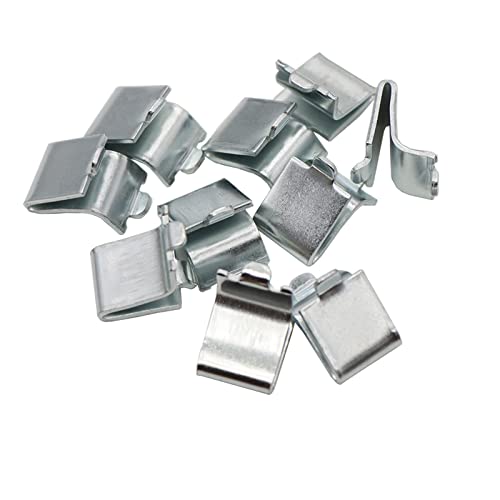
14 Pieces Silver Adjustable Steel Pilaster Shelf Clip Support, Shelving Bracket Clips for Metal and Wood Shelves
Made of high-strength steel, galvanized coating
As an affiliate, we earn on qualifying purchases.
As an affiliate, we earn on qualifying purchases.
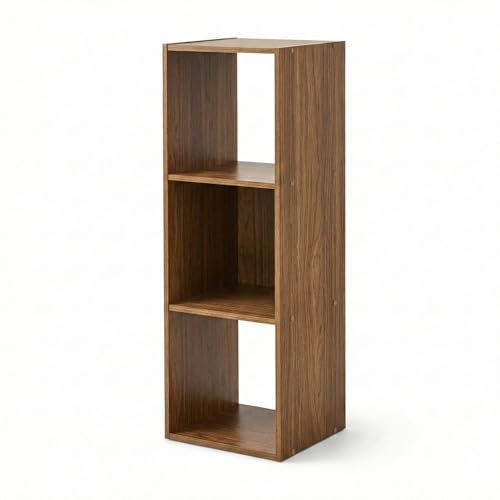
3-Cube Storage Organizer Shelf – 11-Inch Cube Bookshelf & Display Rack for Closet, Dorm, Office, Entryway – Vertical or Horizontal Engineered Wood Shelving Unit for Bins, Toys, Books (- Warm Walnut)
Transform wasted corners into functional storage. This 3-tier shelving unit features a slim 12-inch footprint, making it the…
As an affiliate, we earn on qualifying purchases.
As an affiliate, we earn on qualifying purchases.