Using a vacuum chuck feels almost magical because it securely holds your workpiece without clamps or marks, creating an airtight seal that keeps everything stable and vibration-free. To get the best hold, you’ll need to properly prepare the surface, free of dust and debris, and guarantee your vacuum pump is working correctly. Monitoring the vacuum level helps maintain consistency and safety. Keep exploring to discover how to optimize this innovative workholding method even further.
Key Takeaways
- Proper surface preparation ensures a tight, airtight seal for reliable vacuum hold during machining.
- Choosing and maintaining the right vacuum pump provides consistent negative pressure for secure workholding.
- Using vacuum pads or gaskets enhances surface contact and prevents air leaks, ensuring a firm grip.
- Monitoring vacuum levels with gauges helps detect leaks early and maintain continuous holding power.
- Regular system checks and proper sealing make vacuum chucking a clean, efficient, and precise workholding method.
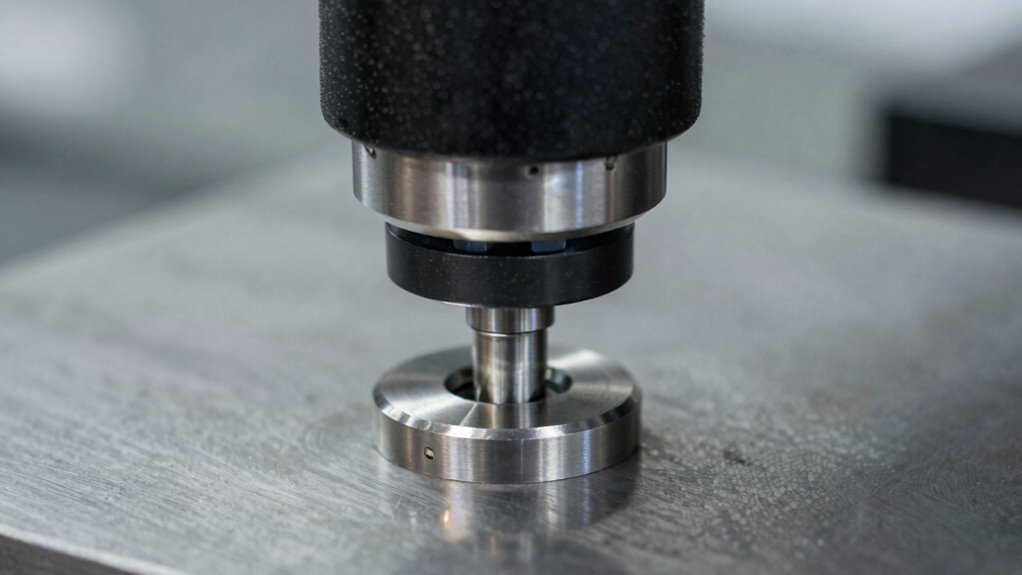
A vacuum chuck is a valuable tool that securely holds your workpiece in place during machining or finishing tasks. Its effectiveness depends largely on the vacuum pump you use and how well you prepare the surface of your material. When setting up, you’ll want to guarantee the surface is clean and free of debris, oil, or dust, as these can compromise the seal and reduce holding strength. Proper surface preparation creates a tight, airtight seal between the workpiece and the chuck, allowing the vacuum to generate maximum holding force. This step is vital because even tiny particles or contaminants can cause leaks, resulting in the workpiece shifting or slipping during machining.
Proper surface preparation ensures a tight seal, maximizing vacuum hold and preventing slipping during machining.
The vacuum pump is the heart of the system. It creates a negative pressure that pulls air out from beneath the workpiece, forming a strong, reliable hold. There are different types of vacuum pumps, from small, portable units to larger industrial ones, but whichever you choose, it needs to provide consistent, sufficient vacuum levels suitable for your material and application. When operating, make sure the pump is properly maintained—checking for leaks, cleaning filters, and ensuring it’s functioning smoothly. A well-maintained pump guarantees steady suction, preventing sudden drops in holding power that could ruin your project or cause safety issues.
Connecting your workpiece to the vacuum chuck involves sealing the surface thoroughly. You might use a specialized vacuum pad or a flexible gasket to improve surface contact, especially if your material has an uneven or textured surface. Once the seal is tight and the vacuum pump is activated, air is expelled, and the workpiece becomes firmly held in place. This method allows for precise, vibration-free machining, which is particularly beneficial when working on intricate designs or thin materials. The beauty of using a vacuum chuck is that it eliminates the need for clamps or vises that can leave marks or distort your workpiece.
Throughout your process, monitor the vacuum level with a gauge if possible. This helps you catch any leaks early and guarantees continuous holding power. When finished, simply turn off the vacuum pump, release the seal, and carefully remove your workpiece. By paying attention to surface preparation and choosing the right vacuum pump, you’ll enjoy a secure, efficient, and clean method of workholding that feels almost like magic—holding your workpiece with unwavering strength and precision.

Simple Woodturning Tools – 1¼" X 8 TPI Vacuum Chuck for Woodturning Lathe Bowl Turning
American Made and Customer Supported by Harrison Specialties , a family owned CNC machining and manufacturing facility in…
As an affiliate, we earn on qualifying purchases.
As an affiliate, we earn on qualifying purchases.
Frequently Asked Questions
Can Vacuum Chucks Hold Uneven or Textured Surfaces?
Yes, vacuum chucks can hold uneven or textured surfaces, but surface adhesion depends on the material and surface compatibility. You might need to adjust the vacuum pressure or use a compatible sealant to improve grip. Keep in mind that texture compatibility varies; some textures may reduce adhesion. Experimenting with different vacuum setups and surface conditions helps guarantee a secure hold, even on challenging, textured surfaces.
What Are Common Maintenance Tips for Vacuum Chucks?
You keep your vacuum chuck performing like magic by regularly following cleaning procedures, removing dust and debris that can clog the system. Check seal integrity often, ensuring no leaks compromise suction. Inspect hoses and fittings for cracks or wear, replacing them as needed. Keep the surface clean and free of chips or residue, and test the vacuum pressure frequently. Proper maintenance guarantees your chuck stays reliable and efficient for every project.
Are Vacuum Chucks Suitable for Large, Heavy Workpieces?
Yes, vacuum chucks can handle large workpieces in heavy-duty applications, but you need to guarantee your system provides sufficient vacuum pressure and airflow. For very heavy or oversized items, consider reinforced chucks or additional support to prevent slipping or damage. Properly sealing the workpiece and maintaining the vacuum system are essential. With the right setup, vacuum chucks are effective and reliable even for demanding, large-scale projects.
How Quickly Can Vacuum Chucks Be Swapped Between Jobs?
Imagine you’re working on a production line, and switching between jobs takes only a few minutes. With vacuum chuck versatility, you can typically perform quick changeovers, often in under 10 minutes. This speed depends on the system’s design and setup, but many modern vacuum chucks are engineered for rapid adjustments, streamlining your workflow and minimizing downtime. That means more efficiency and less waiting between tasks.
What Safety Precautions Should Be Taken When Using a Vacuum Chuck?
When using a vacuum chuck, you should always wear personal protective equipment like safety glasses and gloves to prevent injuries. Before starting, review emergency procedures and verify all safety devices are in place. Regularly check for leaks or damage in the vacuum system, and never leave the machine unattended while in operation. Following these precautions helps prevent accidents and guarantees safe, efficient work with your vacuum chuck.
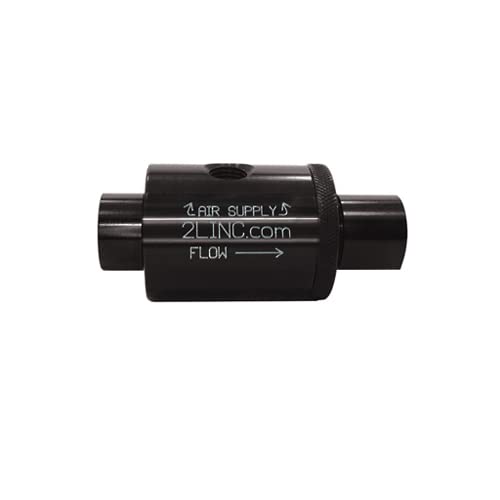
2L inc. 3/8" NPT Air Venturi Vacuum Generator Pump (Anodized Aluminum) with .265" (6.7 mm) Bore Diameter
Adjustable from 0" HG to Maximum Vacuum of 22"HG – 26"HG (10.8psi – 12.8 psi)
As an affiliate, we earn on qualifying purchases.
As an affiliate, we earn on qualifying purchases.
Conclusion
So, next time you’re struggling with clunky clamps or slipping workpieces, just remember the magic of a vacuum chuck. Who knew that simple air could hold your project hostage in the best way? It’s almost unfair—like cheating at workholding—but hey, if you love feeling like a wizard in your shop, why not? Embrace the illusion, and watch your frustration vanish faster than you can say “vacuum.” Happy machining!

MEASUREMAN 2-1/2" dial, Digital Industrial Vacuum Gauge with 1/4" NPT Lower Mount, Stainless Steel case and Connection, 15psi, 1%,Battery Powered, with LED Light
For air vacuum negative air pressure measuring, for media which is not corrosive to stainless steel wetted parts
As an affiliate, we earn on qualifying purchases.
As an affiliate, we earn on qualifying purchases.

10 pieces 160 Machining Center Vacuum Chuck 125x75x17mm Soft Rubber Suction Pad CNC Milling Workholding Fixture
10 pieces 160 Machining Center Vacuum Chuck 125x75x17mm Soft Rubber Suction Pad CNC Milling Workholding Fixture
As an affiliate, we earn on qualifying purchases.
As an affiliate, we earn on qualifying purchases.