TL;DR
Designers interviewed by House Beautiful describe a soft return of honey oak, the warm, orange-toned wood popular in homes from the late 1980s through the early 2000s. They say current use tends to be more restrained and paired with cooler colors, contrasting wood tones and contemporary materials; the report does not establish how widespread the shift is.
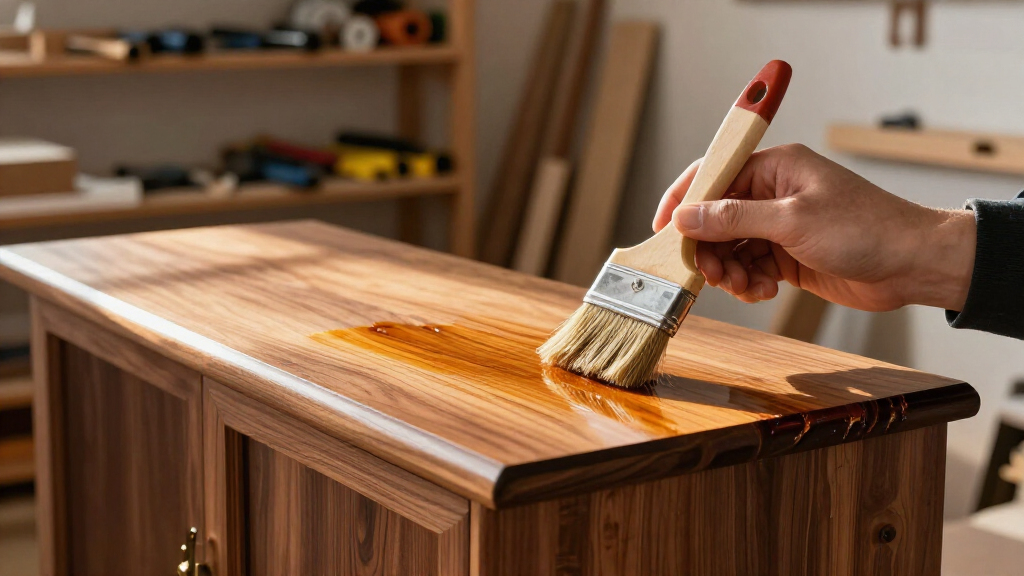
Several interior designers say honey oak is reappearing in homes, especially in cabinetry, millwork and furniture, as interest grows in warmer, more inviting interiors. The shift is not a broad return to the all-over wood finish common in late-1980s-to-early-2000s homes, according to designers quoted by House Beautiful, but a more selective use of the orange-toned wood.

Get business pricing on tools and workshop supplies
- Business-only prices and quantity discounts
- Tax-exempt purchasing
- Multiple users, one account, clear invoices
Honey oak was widely used in homes from the late 1980s through the early 2000s, appearing in kitchen cabinets, bathroom vanities, trim, stair railings, floors and furniture. Cathleen Gruver of Gruver Cooley told House Beautiful that it was a standard choice for builders and homeowners before cooler, more neutral interiors gained favor in the early 2000s.
Elizabeth Bennett and Mallory Robins, founders of Kobel + Co, attribute renewed interest to the broader move toward warm tones and nostalgia among homeowners who grew up in the 1980s and 1990s. Gruver described the change as a “soft return,” with clients drawn to natural wood tones even when they do not specifically ask for honey oak.
The designers’ examples favor contrast over repetition. They describe using honey oak alongside blue or green accents, pale or neutral finishes, stone, black details and modern lighting. Robins also said homeowners are more likely to use the wood in a single element, such as a kitchen island or furniture piece, rather than across every surface.
A Warmer Alternative to Gray
The reported shift points to changing preferences in home interiors, where designers say clients are again receptive to warmth and visible wood character. For homeowners with original honey oak features, that may mean they can reconsider updating or replacing them rather than treating the finish as automatically dated.
The advice in the report is not to reproduce the dense, all-over look associated with earlier decades. Designers emphasize restraint and contrast: a limited use of honey oak, paired with cooler or lighter colors and different materials, can make it feel deliberate within a contemporary room. That approach could be relevant to renovation decisions, although the article does not provide cost comparisons or evidence that retaining the finish increases home value.
Products Worth Considering

Bose TV Speaker Compact Soundbar with Bluetooth and HDMI-ARC, Black

Philips Hue Bridge Pro Smart Lighting Hub, 1-Pack

Roborock Qrevo S Pro Robot Vacuum and Mop (2026)
As an affiliate, we earn on qualifying purchases.
From Ubiquitous to Selective
Honey oak’s earlier popularity made it familiar across multiple parts of a home. Gruver told House Beautiful that it was common on cabinetry, trim, stair railings and floors. By the early 2000s, she said, preferences shifted toward cooler, more neutral interiors, contributing to the wood’s reputation as dated.
The current interest is presented as part of a wider return to warmer interiors and renewed attention to styles associated with the 1980s and 1990s. Bennett linked that nostalgia to a broader revival of period influences in both homes and fashion. The report offers designers’ observations and project examples, rather than sales figures or a measured survey of consumer demand.
“It’s not necessarily a full-blown comeback, but I’ve definitely noticed a soft return—particularly in cabinetry, millwork details, and furniture.”
— Cathleen Gruver, Gruver Cooley, speaking to House Beautiful
How Broad Is the Return?
The report does not quantify how many homeowners or designers are choosing honey oak, compare demand with earlier periods, or identify a specific market trend through sales data. Its evidence consists of designers’ professional observations and examples of projects.
It is also unclear whether the renewed interest will last or remain limited to selected features and individual projects. The designers do not suggest that every existing honey oak surface should be kept, and the article offers no universal rule for when refinishing or replacement makes sense.
How Designers Are Using It
The source describes no scheduled industry announcement or next milestone. For now, the development is best understood as a reported design preference, with designers using honey oak selectively and showing how it can work alongside cooler colors and varied finishes.
Whether that approach becomes more common will depend on future projects and homeowner choices. House Beautiful’s report gives practical styling examples, but does not establish a broader forecast or provide data that would confirm the scale of the trend.
Key Questions
Is honey oak fully back in style?
Designers quoted by House Beautiful describe a soft, selective return, not a full revival of honey oak across entire homes.
Where are designers using honey oak now?
The report cites cabinetry, millwork, furniture, bathroom vanities and kitchen islands as places where designers are using the finish.
How do designers make honey oak feel more current?
They recommend balancing its warmth with cooler colors, contrasting wood tones, natural stone, clean lines and modern lighting, rather than repeating it on every surface.
Should homeowners replace existing honey oak?
The designers’ examples suggest considering whether existing wood can work with a refreshed palette before replacing it. The report does not give renovation-cost guidance or claim that keeping honey oak is right for every home.
Source: housebeautiful.com