Small wood art projects are excellent for building your skills because they give you quick, satisfying results that boost confidence and motivate you to keep learning. These projects let you experiment with techniques like carving and finishing without feeling overwhelmed. They help you develop patience, precision, and problem-solving abilities. Plus, they’re perfect for trying new ideas and developing your personal style. Keep exploring, and you’ll find even more ways to grow as a woodworker.

Get business pricing on tools and workshop supplies
- Business-only prices and quantity discounts
- Tax-exempt purchasing
- Multiple users, one account, clear invoices
Key Takeaways
- Small projects provide immediate visual results, encouraging repeated practice and boosting confidence.
- They allow for focused skill development in carving, finishing, and planning at a manageable pace.
- Repeatedly working on small pieces helps refine techniques and attention to detail.
- These projects serve as stepping stones for more complex woodworking tasks and artistic growth.
- They foster experimentation, creativity, and personal style development in a low-pressure setting.

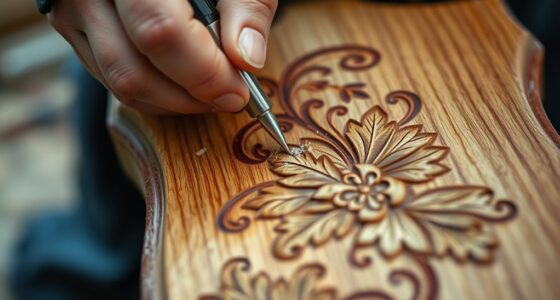
Small wood art projects are an excellent way to develop your skills and express your creativity. They’re approachable, affordable, and perfect for honing your skills without feeling overwhelmed. One of the key skills you’ll develop through these projects is wood carving. Engaging in wood carving teaches you patience, precision, and control, as you carefully shape and detail your piece. Starting with simple designs allows you to build confidence, and over time, you can progress to more intricate patterns. As you carve, you’ll become more comfortable handling tools and understanding how different types of wood respond to carving techniques. Exploring cultural traditions related to woodworking can also inspire your designs and deepen your appreciation for this craft.
Another important aspect of small wood art projects is mastering paint finishing. After carving, you get to explore the art of applying paint and finishes to enhance your work. Paint finishing isn’t just about adding color; it’s about bringing your design to life, highlighting details, and protecting the wood. You learn various techniques like brushing, staining, or using sprays, which help you achieve the desired look and feel. Experimenting with paint and finishes also teaches you about surface preparation and how different finishes affect the durability and appearance of your project. Understanding wood properties can help you select the right finish for each project, ensuring your work remains beautiful and durable over time. Additionally, learning about sustainable materials can guide you in choosing eco-friendly options that support biodiversity and conservation efforts. Developing an understanding of wood types is essential for selecting the best material for your project and achieving optimal results.
Small projects make it easier to practice these skills repeatedly and see immediate results, which keeps you motivated. Each piece you complete boosts your confidence and encourages you to try more complex designs. As you progress, you’ll discover how mastering wood carving and paint finishing can serve as foundational skills for larger woodworking projects. These skills translate well into furniture making, decorative art, or customized gifts, giving you a strong base for future woodworking endeavors.
Furthermore, working on small projects offers flexibility. You can work at your own pace, troubleshoot issues, and refine techniques without feeling rushed. This focus on quality over quantity helps you develop patience and attention to detail, essential qualities for any craftsman. Over time, you’ll notice how your skills improve—not just in carving or finishing but also in planning and problem-solving. Small wood art projects are a practical way to learn, experiment, and grow as a woodworker, all while creating beautiful pieces that reflect your personal style. Whether you’re a beginner or looking to sharpen your skills, these projects make excellent stepping stones to more advanced woodworking pursuits.
Products Worth Considering

eufy Security SoloCam E42 4-Camera Kit with HomeBase 3, 4K Solar Security Cameras

eufy Security SoloCam E42 4K Solar Security Camera with AI Motion Tracking

Dyson PencilVac Fluffycones Cordless Hard Floor Vacuum
As an affiliate, we earn on qualifying purchases.
Frequently Asked Questions
What Safety Gear Is Recommended for Small Woodworking Projects?
For small woodworking projects, wearing safety gear is essential to protect yourself. You should always use protective equipment essentials like safety goggles to shield your eyes from splinters and dust, and a dust mask to prevent inhaling harmful particles. Ear protection is important if you’re using loud tools. Gloves can offer some protection but be cautious with them around rotating machinery. Prioritizing safety gear importance keeps you safe while developing your skills.
How Can I Choose the Right Wood for Beginner Projects?
To choose the right wood for beginner projects, start by considering the wood grain, opting for straight and consistent grain patterns that are easier to work with. Look for softwoods like pine or cedar, which are affordable and forgiving for mistakes. Using project templates helps you stay accurate, but selecting a wood with good workability guarantees smoother cuts and finishes, making your first projects more enjoyable and successful.
Are There Specific Tools Needed for Small Wood Art Projects?
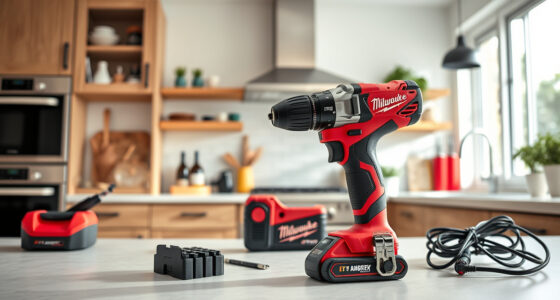
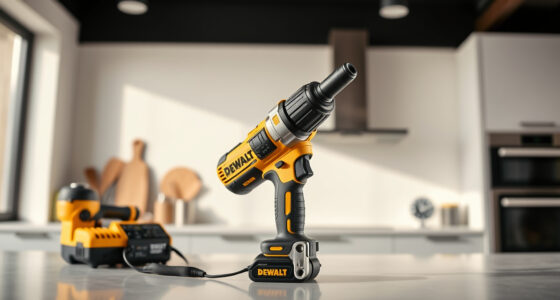
For small wood art projects, you’ll need basic tools like a saw, sandpaper, and a drill. If you want precise designs, laser cutting tools can help create intricate patterns effortlessly, while wood staining adds color and depth. These tools are beginner-friendly and versatile, allowing you to experiment with different techniques. With the right tools, you’ll develop your skills, improve your craftsmanship, and create beautiful, personalized projects.
How Long Does It Typically Take to Complete a Small Wood Project?
A small wood project usually takes anywhere from a few hours to a couple of days, depending on complexity. Your success relies on good project planning and time management; breaking the project into manageable steps helps keep you on track. By setting realistic goals and allocating specific time slots, you can complete your project efficiently while enjoying the creative process. Patience and organization make all the difference.
Can Small Wood Projects Be Customized for Personal Style?
Absolutely, small wood projects can be customized to reflect your personal style. Think of them as blank canvases waiting for your creativity—whether it’s choosing unique paint colors or adding intricate carvings. With plenty of personalization options, you can draw inspiration from style trends or your favorite themes. These projects are perfect for experimenting and making something truly one-of-a-kind that showcases your personality and craftsmanship.
Conclusion
Small wood art projects seamlessly sharpen your skills, sparking creativity while strengthening your craftsmanship. They serve as simple stepping stones, offering satisfying success without overwhelming. With each tiny task, you tackle techniques, tools, and techniques anew, building confidence with every cut and carve. So, start small, stay steady, and see your skills soar. Small projects not only foster finesse but also fuel future feats, forging a foundation for fantastic, fearless woodworking.