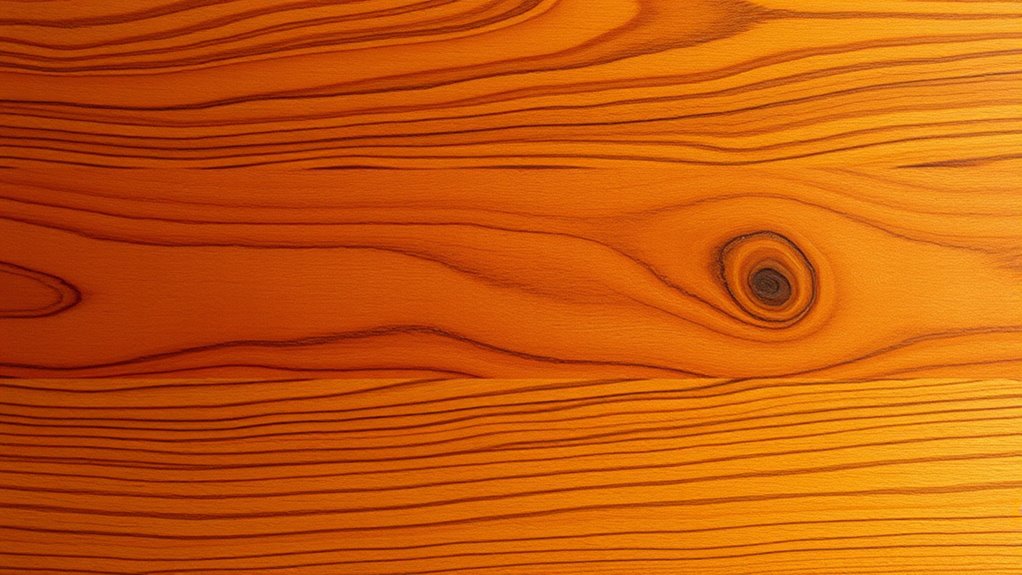

When choosing wood grain for aesthetic flow, focus on selecting patterns that complement your space’s overall style. Straight grains create a modern, clean look, while swirling or complex patterns add character and movement. Pay attention to color coordination to ensure harmonizing hues or striking contrasts. Alignment of grain direction enhances visual unity, especially for large surfaces. Balancing these elements helps you craft a cohesive, inviting environment, and if you look further, you’ll discover how to perfect your design’s flow.
Key Takeaways
- Select straight, uniform grains for a clean, modern look, or swirling patterns for added character and movement.
- Ensure grain direction flows consistently across surfaces to guide the eye smoothly throughout the space.
- Match wood tones and grain styles with existing decor to create visual harmony or intentional contrast.
- Use grain patterns to highlight focal points or accent areas, enhancing overall aesthetic appeal.
- Balance diverse grain patterns and colors thoughtfully to achieve a cohesive, personalized design narrative.

Selecting the right wood grain is essential to achieving a cohesive and visually appealing design. The grain patterns you choose can substantially influence the overall look, setting the tone whether you aim for a sleek modern style or a warm, rustic feel. When examining different wood grains, pay close attention to the natural flow of the patterns. Straight grains provide a clean, uniform appearance that works well for contemporary spaces, while more complex or swirling grain patterns add character and a sense of movement, perfect for creating focal points or accent pieces. Your goal is to select grain patterns that complement each other and enhance the design narrative you want to tell.
Choosing wood grains that complement each other enhances your design narrative and creates a cohesive, inviting space.
Color coordination plays a pivotal role in making your grain choices work harmoniously within your space. You want the hues of the wood to blend seamlessly with your existing palette or to create intentional contrast. Lighter woods with subtle grain patterns, such as maple or ash, can brighten a room and serve as a neutral backdrop, allowing other design elements to stand out. Conversely, darker woods like walnut or mahogany with bold grain patterns add depth and richness, creating a sense of luxury or warmth. When choosing between different grains, consider how their natural colors and textures will interact with your furniture, wall colors, and decor accents. Consistency in color tones helps to establish a unified look, while mixing contrasting hues can introduce visual interest and dynamism.
Additionally, understanding wood grain and how it responds to different finishes can help you select pieces that will age gracefully and maintain their aesthetic appeal over time. When you select your wood, think about the flow of the entire space. Grain patterns that run in the same direction can guide the eye smoothly across surfaces, creating a sense of continuity. If you’re working with multiple pieces, such as cabinets, flooring, or furniture, aligning grain patterns and colors can make the transition seamless. However, intentionally mixing different grains and tones can also add complexity and personality to your design, as long as it’s done with an eye for balance. Keep in mind that natural variations in wood are inevitable, so choosing pieces with similar grain qualities ensures a more cohesive overall appearance.
In the end, choosing the right wood grain involves balancing visual harmony with your personal style. By paying attention to grain patterns and color coordination, you can craft a space that feels both intentional and inviting. It’s about creating a flow that guides the eye naturally and evokes the mood you desire. Whether you prefer understated elegance or bold statement pieces, thoughtful grain selection will elevate your design, making every element work together in perfect harmony.

Decoroom Wood Contact Paper Peel and Stick, Thicken Vintage Wood Grain Contact Paper for Countertops Furniture, Natural Wood Wallpaper Self-Adhesive Removable Waterproof Vinyl Film 15.7 in X 118 in
[Natural Wood Grain Contact Paper ] 15.7 In x 118 In. Authentic wood wallpaper covers an area of…
As an affiliate, we earn on qualifying purchases.
As an affiliate, we earn on qualifying purchases.
Frequently Asked Questions
How Does Wood Grain Affect Furniture Durability?
Wood grain can impact furniture durability because a strong, consistent grain pattern helps resist cracking and warping over time. If the surface finish is properly applied, it protects the grain and enhances longevity. You’ll find that furniture with a tight, even grain pattern and quality surface finish tends to last longer and withstand everyday wear better, ensuring your pieces stay beautiful and durable for years to come.
Can Wood Grain Influence Acoustic Properties?
Imagine you’re designing a recording studio. The type of wood grain you choose can influence acoustic properties, as certain grains enhance sound absorption and reduce resonance effects. For instance, a tightly grained wood like maple absorbs sound better, minimizing echo, while a more open grain might amplify resonance. Your choice affects how sound waves interact within the space, directly impacting clarity and overall acoustic quality.
Is Matching Wood Grain Necessary for All Interior Styles?
Matching wood grain isn’t necessary for all interior styles, but it can enhance visual harmony. You should consider matching patterns and grain consistency if you want a cohesive look, especially in traditional or modern designs. However, for eclectic or rustic styles, mixing different grains and patterns adds character and interest. Ultimately, it depends on your aesthetic preference; matching is just one way to achieve a polished, intentional appearance.
How Do Lighting Conditions Alter the Appearance of Wood Grain?
Lighting conditions substantially impact how you perceive wood grain. Bright, natural light enhances grain visibility, making patterns more vivid and detailed. On the other hand, dim or artificial lighting can soften or obscure grain details, giving the wood a different look. You’ll notice that lighting effects can either highlight or diminish the natural beauty of the grain, so consider how your space’s lighting will interact with your wood choices to achieve the desired aesthetic.
What Are Common Mistakes When Selecting Wood Grain Patterns?
Choosing the wrong wood grain patterns can cause your project to look like a chaotic mess, with common mistakes including grain mismatch and pattern clashing. You might overlook the importance of matching grains for a seamless look or fail to take into account how different patterns interact, creating visual discord. Always pay attention to grain direction and consistency to ensure your design flows naturally and looks polished, not haphazard.

Luxury Thicken Wood Grain Peel and Stick Floor Tiles Self-Adhesive Vinyl Flooring Roll-DIY Easy for Wall and Floor,Hard Surface/Waterproof/Anti Slip (Brown Vinyl Flooring, 17.72 "W x 118" L)
[Widely applicable] This products is specially customized by us,high-quality vinyl floor roll have realistic wood grain textures and…
As an affiliate, we earn on qualifying purchases.
As an affiliate, we earn on qualifying purchases.
Conclusion
Ultimately, selecting the right wood grain can transform your space, creating a seamless visual flow. Some experts believe that matching grain patterns enhances harmony, while others argue variety adds character. Research suggests that a balanced mix often delivers the most appealing aesthetic, aligning with natural patterns found in nature. Trust your eye and experiment—sometimes, breaking the rules leads to the most stunning results. So, choose your wood grain thoughtfully and let your design speak to your unique style.

Art3d 6-Pack Acoustic Wood Slat Wall Panels for Interior Decor, 3D Fluted Sound Absorbing Wood Paneling for Accent Wall Ceiling Kitchen Living Room Bedroom Office, 94.5 x 7.9 inch Deep Walnut
Superior Acoustic Performance: It is designed to provide excellent noise-cancellation capabilities, making it ideal for use in homes,…
As an affiliate, we earn on qualifying purchases.
As an affiliate, we earn on qualifying purchases.

Furniture Repair Kit Wood Markers – Set of 13 – Markers and Wax Sticks with Sharpener Kit, for Stains, Scratches, Wood Floors, Tables, Desks, Carpenters, Bedposts, Touch Ups, and Cover Ups
PRODUCT DETAILS – This 13 piece kit includes 6 Repair Markers, 6 paper wrapped wax sticks and 1…
As an affiliate, we earn on qualifying purchases.
As an affiliate, we earn on qualifying purchases.