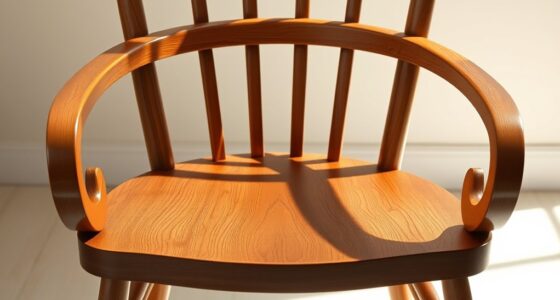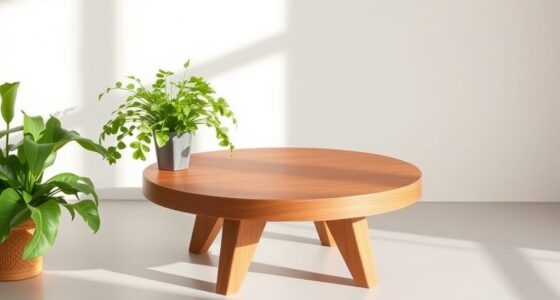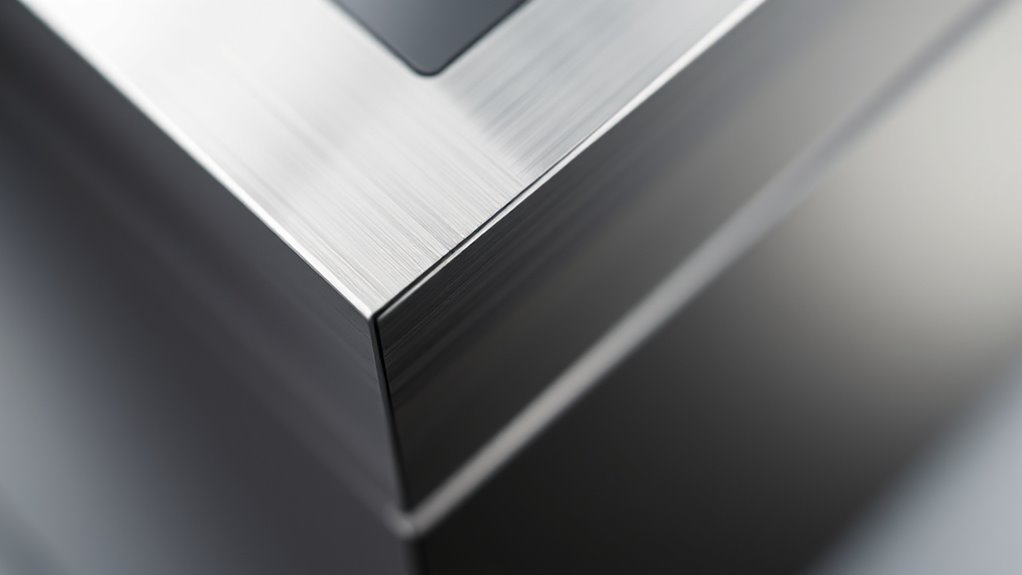
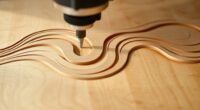
To choose edge profiles that fit your design language, consider both style and durability. Sleek, sharp edges work well for modern looks, while rounded or eased edges provide a softer, classic feel. Think about the environment—high-traffic areas may benefit from stronger profiles like chamfered or beveled edges. Balancing aesthetic appeal with practicality guarantees your surfaces last longer and complement your space. If you want to discover more tips, you’ll find helpful insights as you continue exploring options.
Open a free Amazon Business account
Business pricing, bulk buying and tax-exempt orders.
As an affiliate, we earn on qualifying purchases.
Key Takeaways
- Choose edge profiles like beveled, bullnose, or ogee to complement modern, traditional, or transitional design styles.
- Consider rounded edges for softer, more inviting aesthetics, or sharp edges for sleek, contemporary looks.
- Match the edge profile with your material’s durability needs, balancing style with impact resistance.
- Use simple profiles for minimalist designs, and intricate profiles for detailed, ornate spaces.
- Select edge shapes that enhance the overall visual harmony and flow of your design concept.

Have you ever wondered how the shape of an edge can influence the performance and appearance of a material? The profile you choose isn’t just about aesthetics; it also impacts the material’s durability and how easily it can be installed. Different edge profiles serve different functions, and selecting the right one can enhance both the longevity and the visual appeal of your project. For example, a sharp, beveled edge might look sleek and modern, but it can be more prone to chipping or damage if not properly protected or installed with the right techniques. Conversely, rounded or eased edges tend to be softer, helping distribute stress more evenly, which can improve material durability over time.
Choosing the right edge profile balances style, durability, and ease of installation for long-lasting, attractive surfaces.
When considering edge profiles, your choice directly influences installation techniques. Some profiles are straightforward to work with, requiring minimal prep or special tools, making the process smoother and reducing risks of errors. For instance, a simple flat edge often allows for quick, clean cuts and easy fitting. Meanwhile, more intricate profiles like bullnose or ogee may demand precision tools and careful handling, but they offer a refined look that can elevate your design. By understanding the specific installation techniques associated with each profile, you can minimize waste and avoid costly mistakes, ensuring your final result is both beautiful and resilient. Additionally, understanding seed superfood benefits can inspire creative ways to incorporate healthy ingredients into your projects, even in unexpected ways such as culinary uses.
The shape of the edge can also dictate how well the material withstands daily wear and tear. For high-traffic areas or surfaces exposed to moisture or impact, choosing an edge profile that reinforces durability is essential. For example, a beveled edge can help shed water or debris more effectively, reducing the risk of damage. Similarly, a chamfered edge can help prevent chipping, especially on materials like stone or wood. These profiles, when combined with proper installation techniques, can dramatically extend the life of your surfaces, making them not just visually appealing but also practically resilient.
Ultimately, selecting an edge profile isn’t just about matching your aesthetic preferences; it’s about understanding how that shape interacts with your material’s properties and how it influences installation. The right profile balances style with functionality, ensuring that your project remains durable and looks great over time. By paying attention to these details—considering how the shape influences material durability and mastering the appropriate installation techniques—you’ll create a finished product that truly fits your design language, standing the test of time and daily use.
beveled edge profile for countertops
As an affiliate, we earn on qualifying purchases.
As an affiliate, we earn on qualifying purchases.
Frequently Asked Questions
How Do Edge Profiles Influence Overall Design Aesthetics?
Edge profiles considerably influence your overall design aesthetics by creating visual harmony and reinforcing your style consistency. When you choose the right profile, it enhances the sleekness or softness of your space, aligning with your design vision. You actively shape the atmosphere and feel of your environment, ensuring every detail complements your style. This attention to edge detail helps you achieve a cohesive, polished look that reflects your unique taste and design goals.
Are Certain Edge Profiles More Durable Than Others?
Some edge profiles are more durable than others, depending on material compatibility and cost implications. You’ll find that thicker, rounded edges often resist chipping better, especially with materials like quartz or granite. However, these might cost more upfront. If you prioritize longevity, choose profiles designed for high impact, but weigh the cost implications carefully to balance durability with your budget. This way, you get a resilient finish that suits your needs.
Can Edge Profiles Be Customized for Unique Design Needs?
Yes, you can personalize edge profiles for your unique design needs, turning your vision into reality. Think of it as crafting a signature look—material choices and cost considerations play key roles in shaping the final product. By selecting the right materials and balancing your budget, you guarantee your custom edge profiles reflect your style and durability, making your space truly one-of-a-kind. Customization empowers you to design with purpose and precision.
What Maintenance Is Required for Different Edge Profiles?
You need to regularly clean your edge profiles to keep them looking their best. Use gentle cleaning solutions for edge profile cleaning, avoiding harsh chemicals that could damage the material. Additionally, seal the edges periodically to prevent moisture and dirt buildup. Proper maintenance guarantees the longevity of your edge profiles, keeping them secure and visually appealing. Always follow manufacturer instructions for sealing and cleaning to maintain their durability and appearance.
How Do Edge Profiles Impact Safety and User Comfort?
Did you know that 78% of users prefer rounded edge profiles for better safety? Edge profiles greatly influence ergonomic safety and tactile comfort, reducing the risk of cuts or injuries. Smooth, rounded edges provide a more comfortable grip, making everyday use safer and more pleasant. By choosing the right edge profile, you guarantee users feel secure and comfortable, enhancing overall user experience and minimizing potential hazards.
Conclusion
Choosing the right edge profile truly complements your design language and enhances your space. Did you know that 78% of interior designers say that the edge profile considerably impacts the overall aesthetic? By selecting the perfect edge, you not only add personality but also create a cohesive look that reflects your style. So, pay attention to these details—they make all the difference in achieving a polished, personalized finish.
Fall Picks
fall essentials
As an affiliate, we earn on qualifying purchases.