

TL;DR

Get tools and workshop supplies delivered free — and shop member deals
- Fast, free delivery on millions of items
- Access to Prime Big Deal Days deals on October 6–7
- Prime Video, Amazon Music and more included
A single video can produce an entire set of publishing assets—clips, captions, thumbnails, descriptions—using local AI tools. This approach avoids the cloud, boosting privacy, control, and speed, especially for creators managing large content libraries. You can learn more about home improvement and content management.
Imagine finishing a video and having a full suite of assets ready to publish—without uploading anything to the cloud. That’s the promise behind a growing wave of local AI workflows for video content. You drop your file, and a powerful system works silently on your machine, generating everything from clips to social media posts.
This isn’t just about convenience; it’s about control. You keep your footage private, avoid ongoing subscription fees, and streamline your publishing process. The question is: how does it work, and what can you actually produce from one video? Let’s break down this game-changing approach.
Key Takeaways
- A single video can generate a complete set of publishing assets—clips, captions, thumbnails, social posts—without leaving your local machine.
- Local AI workflows boost privacy, reduce costs, and speed up publishing, especially for creators managing large content libraries.
- Automation cuts manual work significantly but still relies on human review for final polish and context.
- Hardware requirements are manageable but require a decent PC or Mac with good processing power.
- The main tradeoff is initial setup complexity and the need for some technical familiarity.
As an affiliate, we earn on qualifying purchases.
How a local AI workflow turns one video into a full publishing kit
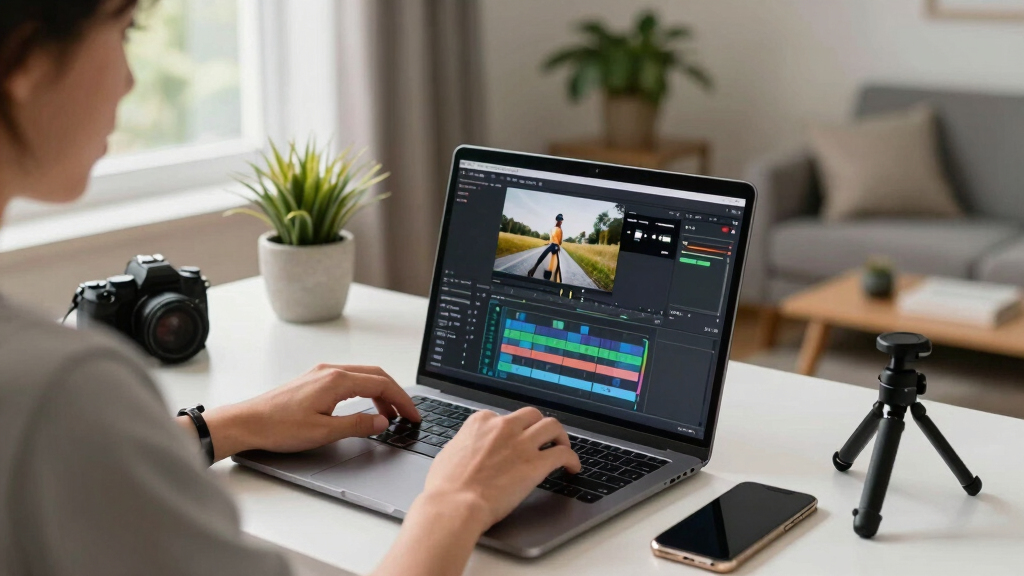
Local AI tools like ChannelHelm process your video on your own machine, not in the cloud. They analyze audio, visuals, and meaning, then generate a suite of assets. Think of it as a factory where one input—your raw footage—yields dozens of ready-to-publish items.
For example, you upload a 10-minute interview. Within minutes, it produces a set of clips, captions, thumbnails, blog drafts, and social posts—all tailored to different platforms. The key is that every step happens locally, ensuring your content stays private and your workflow stays fast.
What exactly is created from one video? The full list of assets
From a single video, you typically get:
- Multiple clips focusing on key moments
- Auto-generated captions and transcripts
- Thumbnail concepts based on highlight scenes
- Descriptions, tags, and SEO keywords
- Short vertical videos for TikTok, Reels, Shorts
- Blog drafts or articles summarizing the content
- Social media posts tailored for each platform
All these assets are bundled together in a single publishing package. It’s like having a full media kit in your hands, ready to deploy across channels.
Why going local beats cloud-based tools for your content workflow
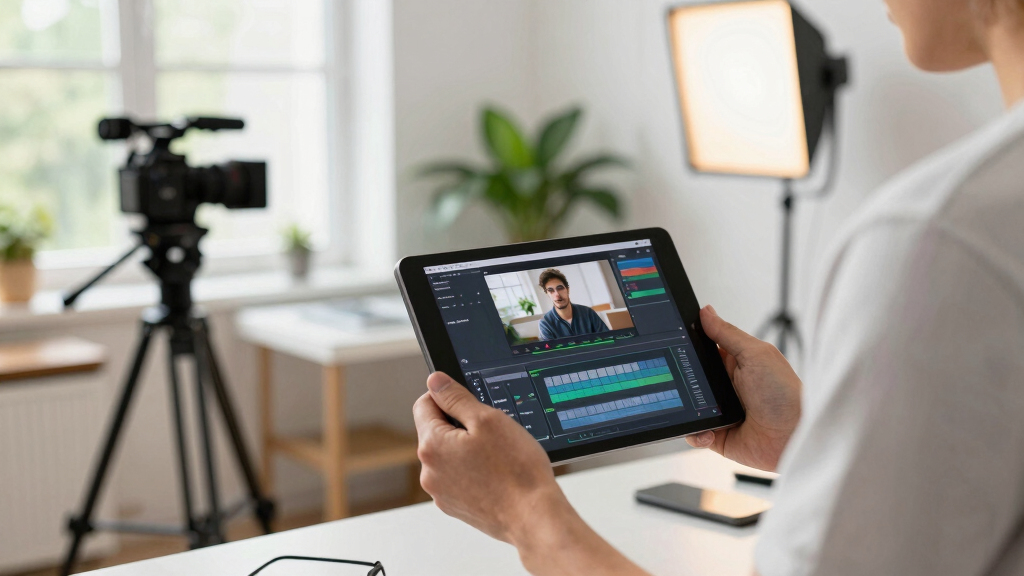
Local processing offers a clear advantage: privacy. Your footage never leaves your machine, reducing the risk of leaks or breaches. This is especially critical for sensitive or proprietary content, where even small exposures can have serious consequences. Additionally, avoiding cloud services means you’re not dependent on internet stability; your workflow remains consistent and predictable. For more tips on secure content management, visit Delvaste.
Speed is another benefit. Cloud processing can introduce delays—upload times, server queues, and latency—especially with large files or slow connections. Local AI processes data directly on your hardware, providing immediate results and faster iteration cycles. This can be a game-changer for time-sensitive projects or high-volume content creators. Plus, for teams operating under strict compliance or security regulations, local workflows simplify legal and security considerations by keeping data within their own infrastructure. Learn more about industry insights and equipment.
However, this approach also involves tradeoffs. Setting up local AI tools requires technical know-how and initial investment in hardware. Not all creators have the resources or expertise, which could lead to a steeper learning curve or higher upfront costs. The choice between local and cloud ultimately hinges on your specific needs for privacy, speed, control, and budget.

Real-world example: How a creator saved hours with local AI publishing
Meet Jane, a YouTuber with a backlog of 50 videos. Using a local AI workflow, she drops her raw footage into her machine. In less than an hour, she has ten clips with captions, three social posts, and a blog draft. All without uploading a single file to the cloud. Previously, this took her a full day, juggling multiple tools and waiting on uploads.
Jane’s workflow now runs smoothly. She reviews, edits, and hits publish, saving herself hours each week. This not only accelerates her content cycle but also enhances her privacy—her footage stays on her local machine, reducing potential security risks. The efficiency gained allows her to focus more on creative aspects rather than logistical hurdles. For creators managing large volumes of content, this shift can significantly improve productivity and give them more control over their assets.

Comparison table: Local AI vs. Cloud-based publishing workflows
| Feature | Local AI Workflow | Cloud-Based Workflow |
|---|---|---|
| Privacy | High — everything stays on your machine, reducing exposure to breaches and leaks. This is crucial when handling sensitive or proprietary content, as it minimizes external risks. | Lower — files and data are uploaded to external servers, increasing the chance of leaks or unauthorized access, especially if security practices are weak. |
| Cost | One-time hardware and software investment. While initial costs can be higher, ongoing expenses are minimal, making it more predictable over time. | Ongoing subscription fees for cloud services, which can add up significantly, especially for large volumes or long-term use. |
| Speed | Real-time or near real-time processing, enabling quick turnarounds. This is vital for time-sensitive content or rapid publishing cycles. | Dependent on internet speed and server load, which can introduce unpredictable delays that hamper fast iteration. |
| Control | Full control over assets, process, and data—no vendor lock-in. This empowers creators to customize workflows and maintain ownership. | Vendor-controlled environment with limited customization, potentially restricting flexibility and ownership. |
| Setup complexity | Requires initial technical setup and some familiarity with software. Once configured, it offers a stable, repeatable process. | Simpler to start with—just sign up and connect—but often at the expense of flexibility and control. |
What human editing still needs to do after automation
AI can generate a lot, but it’s not perfect. Expect to review and tweak titles, captions, and thumbnails. Sometimes, the AI might miss a nuance or pick a less-than-ideal clip. Human eyes still add the polish and personality that AI can’t replicate. For more about editing and refining content, see this guide on publishing assets.
For example, a thumbnail concept might look good, but a quick glance could reveal a better shot or a more eye-catching text overlay. Think of AI as your assistant—great for drafts, but not replacing your creative touch. This human oversight is essential because it ensures your content aligns with your brand voice, captures the right emotional tone, and adheres to contextual nuances that AI might overlook. The tradeoff is that automation reduces the volume of manual tasks, but it doesn’t eliminate the need for critical human judgment, which remains vital for maintaining quality and authenticity.

Getting started: what hardware and software you need
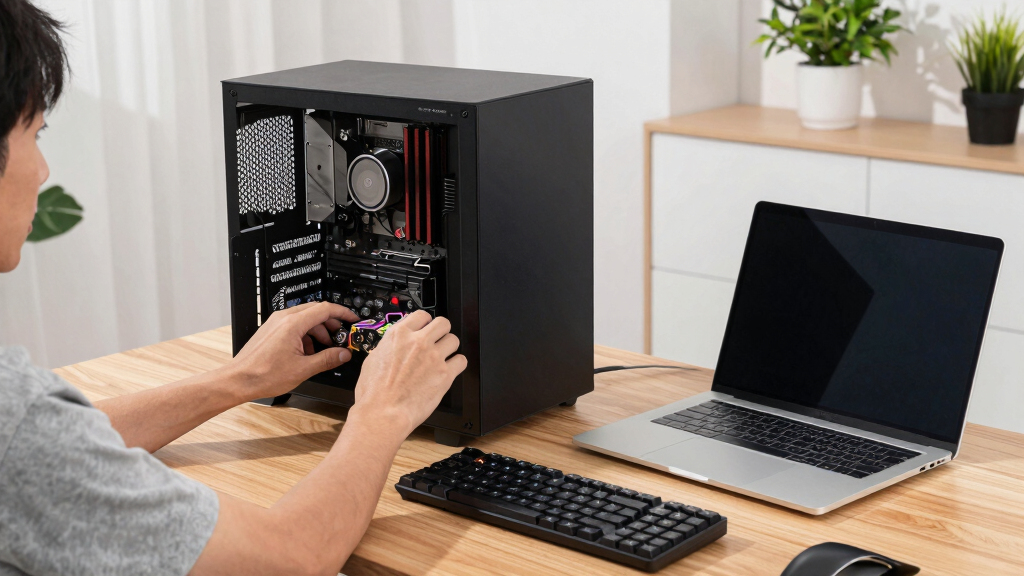
To run a local video publishing kit, you’ll need a reasonably powerful PC or Mac with a good CPU, ample RAM, and preferably a dedicated GPU for processing. Software like [ChannelHelm](https://channelhelm.com/) is designed to work on standard desktops, making setup straightforward.
Ensure your machine has enough storage for raw footage and generated assets. You’ll also want reliable editing tools for reviewing and fine-tuning assets before publishing.
Limitations and tradeoffs: what to watch out for
Local workflows aren’t perfect for everyone. They require some technical setup and a capable machine. Large videos or complex projects might need more processing power and time.
There’s also a learning curve—getting comfortable with the software and pipeline takes practice. Additionally, human review remains crucial; automation can’t fully replace creative judgment or nuanced editing. For creators new to these tools, initial setup and ongoing management may seem daunting, but the long-term benefits in control, privacy, and speed often outweigh these hurdles.
Frequently Asked Questions
Can I do this entirely offline, without internet?
Yes. Local AI tools like ChannelHelm process videos entirely on your machine, so no internet connection is needed once everything is installed. This makes it ideal for sensitive content or environments with unreliable internet.
What assets can I expect to get from one video?
You’ll get clips, transcripts, captions, thumbnails, social media posts, and even blog drafts. These assets are automatically generated based on your video’s content, making publishing faster and easier.
How accurate is the AI, and do I need to edit everything?
AI is quite good at generating drafts, but human oversight is still essential. Titles, thumbnails, and captions often need a quick review or tweak to match your style and ensure accuracy.
What hardware do I need to run this workflow?
A mid-range PC or Mac with a decent CPU, 16GB+ RAM, and a dedicated GPU for processing is recommended. Software like ChannelHelm is designed to run on standard desktops, simplifying setup.
Is this suitable for individual creators or larger teams?
Both. Solo creators benefit from automation and privacy, while teams can streamline large workflows, ensuring consistency across channels and reducing manual labor.
Conclusion
Switching to a local, automated video publishing workflow isn’t just about saving time—it’s about reclaiming control. You keep your content private, cut costs, and speed up your publishing rhythm. It’s a smarter way to handle content at scale.
Imagine a future where one upload sparks a whole content ecosystem—without the cloud. That future is here, and it’s local.

Halloween Picks
halloween
As an affiliate, we earn on qualifying purchases.