
To master tool usage, you need to understand each tool’s purpose and when it’s most effective. Recognize the specific task at hand and evaluate what tools match those needs, considering safety and quality. Building technical knowledge and developing intuition help you switch tools seamlessly and avoid mistakes. By continually learning and assessing project requirements, you’ll know exactly when to use each tool for ideal results. Keep exploring, and you’ll uncover even more ways to sharpen your skills.
Key Takeaways
- Understand each tool’s purpose, strengths, and limitations to select the most effective option for the task.
- Develop technical knowledge through practice, tutorials, and industry updates to recognize the right tool at the right moment.
- Assess project scope, safety requirements, and desired outcomes to guide appropriate tool choices.
- Cultivate intuition by observing task nuances and patterns to anticipate which tools will optimize efficiency.
- Continuously evaluate and adapt your tool selection based on experience to improve craftsmanship and productivity.

Have you ever wondered what sets skilled workers apart? It’s not just their experience or dedication, but their ability to master tool selection and skill development. Knowing which tool to use and when can make the difference between a project that’s smooth and efficient or one that’s frustrating and inefficient. When you develop an eye for choosing the right tool at the right time, you’re investing in your skill set, and this mastery becomes second nature over time. Tool selection isn’t just about picking the newest or most expensive equipment; it’s about understanding the purpose of each tool and matching it to the task at hand. This means familiarizing yourself with a wide range of tools, understanding their strengths and limitations, and knowing how to adapt when faced with unexpected challenges. Skill development is an ongoing process, and as you refine your ability to select and use tools effectively, you’ll find your confidence and productivity soar.
The first step in honing this skill is to learn the specifics of each tool you work with. Take the time to read manuals, watch tutorials, and practice regularly. When you understand a tool’s mechanics and ideal applications, you’re better equipped to recognize the right moment to employ it. For example, choosing a power drill over a manual screwdriver might seem obvious, but knowing when to switch to a different type of drill or bit can save you time and effort. As your familiarity grows, so does your ability to quickly evaluate the situation and decide which tool will deliver the best results. This kind of skill development involves not only acquiring technical knowledge but also cultivating intuition—learning to read the nuances of a task and understanding which tool will perform best. Additionally, understanding the industry trends can help you stay current with the latest tools and innovations, making your skill set even more adaptable.
Furthermore, effective tool selection involves evaluating the scope of the project, considering safety, and analyzing efficiency. Sometimes, using the wrong tool can compromise quality or pose safety risks, which underscores the importance of deliberate decision-making. As you gain experience, you’ll become more adept at recognizing patterns and predicting what tools will work best in diverse scenarios. This predictive ability is essential for developing a versatile skill set, allowing you to adapt swiftly and work smarter rather than harder. Ultimately, the more you focus on skill development and thoughtful tool selection, the more proficient you’ll become. You’ll not only improve your craftsmanship but also build a reputation for being reliable and resourceful, qualities that are invaluable in any trade or craft.

Sundpey Home Tool Kit 257-PCs – Household Basic Repair Tool Set for Men Women – General Hand Mechanic's Tool Set & Screwdriver Set & Wrench Set & Socket & Portable Tool Box Storage Case Blue
【Complete Hand Tool Kit Set】 This compact tool kit contains mechanic tools and equipment including wrenches, household screwdriver…
As an affiliate, we earn on qualifying purchases.
As an affiliate, we earn on qualifying purchases.
Frequently Asked Questions
How Can I Improve My Intuition for Choosing the Right Tool?
To improve your intuition for choosing the right tool, focus on developing intuitive decision making through experience and reflection. Practice different tool selection strategies in real situations, noting what works best. Pay attention to patterns and outcomes, which will sharpen your instinct over time. Trust your gut, but also analyze your choices afterward to learn from successes and mistakes, ultimately enhancing your ability to select the most effective tools quickly.
Are There Common Mistakes to Avoid When Switching Tools Mid-Project?
Switching tools mid-project can feel like changing horses midstream—risky if not done carefully. To avoid mistakes, make certain you understand each tool’s purpose before switching. Plan ahead and assess if the new tool actually accelerates progress or complicates tasks. Mistake avoidance also means communicating changes with your team. Keep a mental map of tools to prevent confusion and wasted effort, guaranteeing smooth transitions and project flow.
How Do I Assess the Compatibility of Different Tools?
You assess compatibility by conducting a thorough tool assessment, focusing on features and integrations. Check if the tools support your project goals and workflows. Look for compatibility evaluation reports or user reviews highlighting potential conflicts. Test key functions in a small scope before full implementation. This proactive approach helps you identify mismatches early, saving time and ensuring your tools work seamlessly together for peak efficiency.
What Resources Are Best for Learning New Tools Quickly?
Imagine you’re implementing a new project management tool. To learn it quickly, you should focus on effective learning strategies like hands-on practice and tutorials. Resources like official documentation, online courses, and user forums are valuable. Evaluate these resources for clarity, relevance, and credibility before diving in. This approach helps you master new tools efficiently, saving time and ensuring you use the best methods for your learning style.
How Does Tool Mastery Impact Overall Project Efficiency?
Mastering your tools boosts overall project efficiency by enabling seamless tool integration and streamlining your workflow. When you know which tools to use and how to use them effectively, you reduce delays and minimize errors. This mastery allows you to switch between tasks smoothly, optimize processes, and accelerate project completion. As a result, your work becomes more productive, consistent, and adaptable to changing project demands, giving you a competitive edge.

DEWALT Drill, 8.0-Amp, 3/8-Inch, Variable Speed Trigger, Mid-Handle Grip for Comfort, Corded (DWD115K )
8-amp motor of the electric drill delivers high performance in heavy-duty applications
As an affiliate, we earn on qualifying purchases.
As an affiliate, we earn on qualifying purchases.
Conclusion
Mastering each tool is like having a Swiss Army knife in your back pocket—ready for any situation. Know when to wield your digital brush or your vintage quill, and you’ll craft masterpieces with confidence. Remember, even in a world that often feels like a scene from a retro-futuristic film, your ability to choose the right tool makes all the difference. So keep practicing, and you’ll navigate any project with the finesse of a true Renaissance artist.

Schwer ProGuard Highest Level Cut Resistant Work Gloves PR3326 for Extreme Protection,ANSI A9 Cut Gloves with Reinforced Thumb, Non Slip, Breathable, Durable, Touch-screen, Non PFAS, Black 1 Pair(L)
【Highest Level of Protection】The ProGuard series' ANSI A9 cut resistant work Gloves provide the top-tier protection, boasting the…
As an affiliate, we earn on qualifying purchases.
As an affiliate, we earn on qualifying purchases.
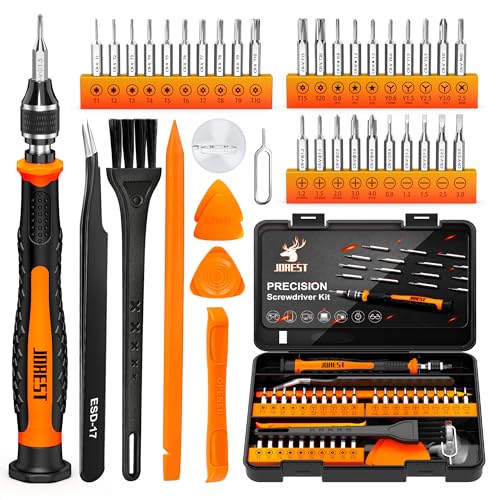
JOREST 40Pcs Small Precision Screwdriver Set with Torx Triwing Phillips, Mini Repair Tool Kit for Macbook, Computer, Laptop, PC, iPhone, PS5, Xbox, Switch, Glasses, Watch, Ring Doorbell, Electronics
【Precision screwdriver set】– 40Pcs screwdriver set has 30 CRV screwdriver bits which are phillips PH000(+1.2) PH000(+1.5) PH00(+2.0) PH0(+3.0)…
As an affiliate, we earn on qualifying purchases.
As an affiliate, we earn on qualifying purchases.