
TL;DR
Get ready for Prime Big Deal Days — try Prime free
Exclusive member deals on October 6–7, plus fast free delivery. Cancel anytime.
Start your free trialAs an affiliate, we earn on qualifying purchases.
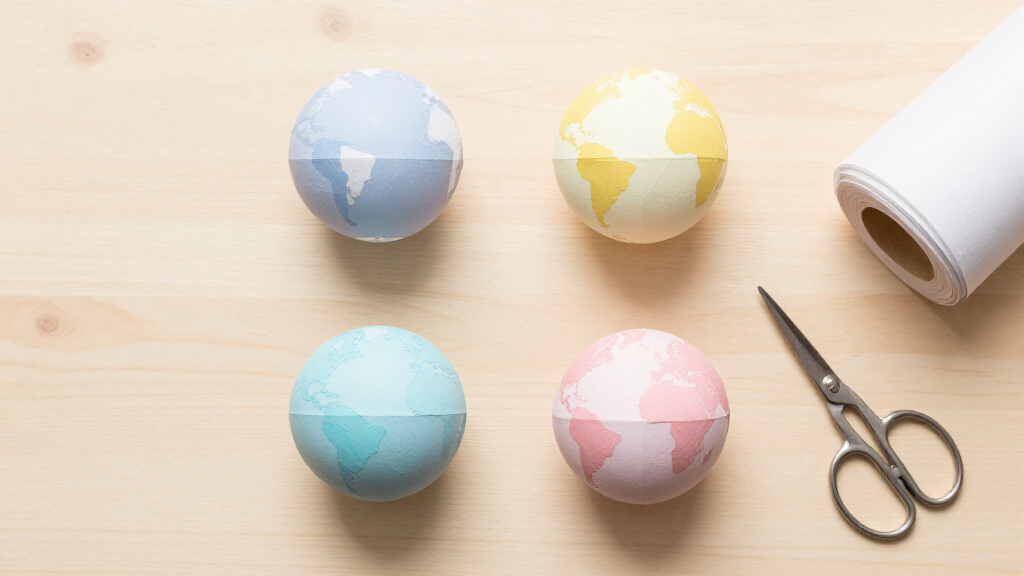
A new trend in paper globe folding is gaining popularity among artists and educators. These globes are made from foldable paper, offering an eco-friendly and customizable alternative to traditional globes. The development highlights a growing interest in sustainable, hands-on educational tools.
Folding paper globes are rapidly gaining popularity as a sustainable, artistic alternative to traditional globes, with educators and artists embracing the craft for its eco-friendly and customizable qualities. This new trend is drawing attention for its potential to revolutionize how geography and art are taught and appreciated.
The trend involves folding specially designed paper sheets into three-dimensional globes, which can be assembled without glue or scissors. You can explore large carbon transfer papers for seamless crafting and design projects. Several creators and educational institutions have shared tutorials and demonstrations online, indicating a growing community of practitioners. Experts say this method reduces waste associated with plastic globes and offers a tactile learning experience.
Manufacturers of folding paper globes report increased sales and interest from schools seeking sustainable teaching aids. The globes are often made from recyclable or biodegradable materials, aligning with broader environmental goals. The process of folding is described as accessible, with step-by-step instructions available on various platforms, making it suitable for all ages. If you’re interested in more advanced paper projects, consider portable folding workbenches for your craft space.
While the concept is relatively new, some educators and artists see it as a way to foster creativity, environmental awareness, and a deeper understanding of geography through hands-on engagement. Several online communities have formed around sharing designs and techniques, further fueling the trend’s momentum. For example, David Daigle’s elaborate punch-cut paper pieces showcase innovative paper art techniques.
Environmental and Educational Impact of Folding Paper Globes
This development matters because it offers a sustainable alternative to traditional globes made from plastic or other non-recyclable materials. It also encourages active participation in learning, which can enhance understanding of geography and foster environmental consciousness. If widely adopted, the trend could influence manufacturing practices and educational resource design, promoting eco-friendly innovations in teaching tools.
As an affiliate, we earn on qualifying purchases.
Rise of Sustainable Educational Materials
Over recent years, there has been increasing interest in sustainable and DIY educational resources, driven by environmental concerns and a desire for more engaging learning experiences. The concept of folding paper globes builds on this movement, combining craft, education, and environmental responsibility. Prior to this trend, most globes used plastic shells, which contribute to environmental waste.
The idea of paper globes is not entirely new, but recent advancements in paper quality and folding techniques have made them more durable and visually appealing. Social media platforms have played a significant role in spreading tutorials and showcasing finished globes, accelerating their popularity among educators and hobbyists alike.
“Using recyclable materials for globes aligns with broader efforts to reduce plastic waste and promote environmentally responsible practices.”
— Carlos Mendes, Eco-Design Advocate
Unclear Long-Term Durability and Adoption Scope
It is not yet clear how durable these paper globes are over time, especially in classroom environments or outdoor settings. The extent of adoption among schools and educational institutions remains uncertain, as some educators may prefer traditional materials for durability and ease of use. Further testing and feedback are needed to assess their longevity and practicality.
Expected Developments and Broader Adoption Trends
Manufacturers and educators are likely to experiment with different paper types and folding techniques to improve durability and visual appeal. As awareness grows, more schools and craft communities may incorporate folding paper globes into their curricula and projects. Monitoring feedback from early adopters will be key to understanding the long-term viability and potential for mainstream integration.
Key Questions
Are folding paper globes suitable for classroom use?
They can be, especially for short-term projects or displays, but their durability over time is still being evaluated. Teachers should consider the environment and handling when using them in classrooms.
What materials are used to make these globes?
Most are made from recyclable or biodegradable paper, with some using specialty foldable paper designed for strength and appearance.
Can anyone learn to make a paper globe at home?
Yes, step-by-step tutorials are widely available online, making it accessible for hobbyists, students, and educators to try at home or in classrooms.
How do paper globes compare to traditional globes in terms of accuracy?
While they can be quite detailed, their accuracy depends on the design and printing quality. They are generally more artistic and educational tools rather than precise cartographic models.
Source: hn
NFL season / tailgating Picks
team gear
As an affiliate, we earn on qualifying purchases.