
TL;DR

Get business pricing on tools and workshop supplies
- Business-only prices and quantity discounts
- Tax-exempt purchasing
- Multiple users, one account, clear invoices
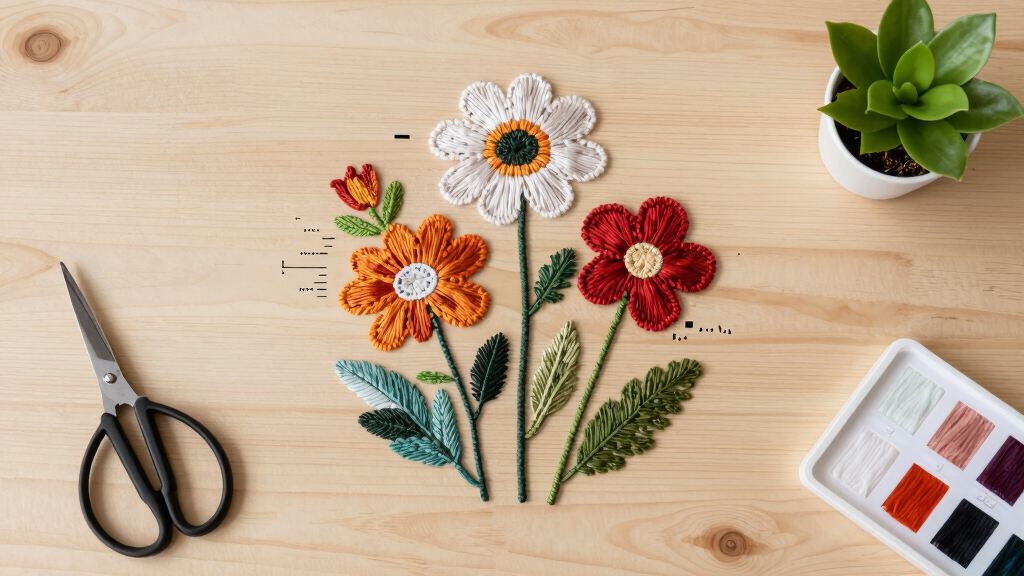
Artists have developed a pioneering technique combining botanical-dyed threads with digital algorithms to create embroidered flowers. This innovative approach merges traditional craftsmanship with computational design, highlighting new possibilities in textile art.
A new project has demonstrated how embroidered flowers can be created from botanical-dyed threads guided by digital algorithms, blending traditional embroidery techniques with computational design. This development showcases a novel intersection of craft and technology, with potential implications for textile arts and digital fabrication.
The project, developed by a team of artists and designers, uses computational algorithms to precisely control embroidery patterns inspired by natural floral forms. The threads used are dyed with botanical pigments, emphasizing sustainable and natural materials. According to designboom, the process involves translating digital patterns into embroidery stitches that mimic the organic complexity of flowers, resulting in highly detailed and vibrant floral motifs.
Traditional embroidery techniques are reinterpreted through computational design tools, allowing for intricate, repeatable patterns that maintain the sensitivity and texture of hand embroidery. The project aims to explore how digital algorithms can enhance the expressive potential of textile crafts, merging the tactile qualities of embroidery with the precision of code.
While the project is still in development, early demonstrations have shown promising results, with some pieces exhibited virtually and in select galleries. The team emphasizes that their approach is rooted in sustainability, using botanical dyes and natural fibers, aligning with broader trends toward eco-friendly art practices.
Innovative Fusion of Craft and Digital Design
This development matters because it expands the possibilities for textile art by integrating computational techniques with traditional embroidery. It demonstrates a new way for artists to create highly detailed, naturalistic floral designs that are both sustainable and technologically advanced. The project could influence future practices in fashion, decorative arts, and digital fabrication, emphasizing the potential for hybrid approaches that respect craft heritage while embracing innovation.
botanical dye embroidery threads
As an affiliate, we earn on qualifying purchases.
As an affiliate, we earn on qualifying purchases.
Traditional Embroidery Meets Computational Art
The integration of digital algorithms with textile arts is an emerging trend, with recent projects exploring how code can enhance or transform traditional crafts. This particular initiative builds on longstanding embroidery techniques, which have historically relied on manual skill, by introducing precise, algorithmically generated patterns. The use of botanical dyes also reflects a growing emphasis on sustainability in artistic practices. The project aligns with broader movements in digital art and craft, where technology is used to push creative boundaries while honoring traditional methods.
“By combining the organic beauty of botanical dyes with the precision of digital algorithms, we can create embroidery that is both expressive and sustainable.”
— an anonymous researcher involved in the project
Development Stage and Future Applications
It is not yet clear how widely this technique will be adopted or commercialized. The project remains in experimental phases, with ongoing testing of durability, scalability, and practical applications in fashion or decorative arts. Further details about the artists’ plans for commercialization or broader implementation are still emerging.
Next Steps for Refinement and Broader Adoption
The team plans to continue refining their computational embroidery methods, with upcoming exhibitions and workshops to showcase the work. They aim to explore scalable production techniques and collaborate with textile manufacturers to integrate this approach into sustainable fashion and design. Further research will focus on durability, cost-effectiveness, and potential for mass customization of embroidered floral patterns.
Key Questions
How are the embroidered flowers created?
The flowers are generated using digital algorithms that guide embroidery stitches, combined with threads dyed with botanical pigments for natural color and texture.
What materials are used in this project?
Natural fibers and threads dyed with botanical dyes are used, emphasizing sustainability and eco-friendliness.
Can this technique be applied commercially?
The project is still in experimental stages, but future plans include exploring scalable manufacturing and potential commercial applications in fashion and home decor.
What makes this approach different from traditional embroidery?
It combines precise digital patterning with natural materials, allowing for complex, repeatable designs that retain the tactile qualities of hand embroidery but with enhanced complexity and consistency.
Source: designboom
Columbus Day / Indigenous Peoples' Day Picks
long weekend sales
As an affiliate, we earn on qualifying purchases.