
To effectively document your builds for future reference, record detailed information like hardware specs, brand, and source of each component, along with photos of your setup. Note any software and BIOS tweaks, and keep track of compatibility details. Organizing this info in spreadsheets or notebooks helps troubleshoot problems later and guides upgrades. By staying thorough, you’ll save time and money while improving your projects—keep going to learn more about keeping your builds well-documented.

Get tools and workshop supplies delivered free — and shop member deals
- Fast, free delivery on millions of items
- Access to Prime Big Deal Days deals on October 6–7
- Prime Video, Amazon Music and more included
Key Takeaways
- Keep detailed records of component specs, sources, and modifications for easy troubleshooting and future upgrades.
- Use organized formats like spreadsheets or build logs to systematically document hardware, software, and BIOS settings.
- Include photos and diagrams to visually capture configurations, customizations, and assembly steps.
- Record compatibility details, such as socket types and power requirements, to prevent future installation errors.
- Share your documentation with online communities or collaborators to facilitate project replication and ongoing maintenance.
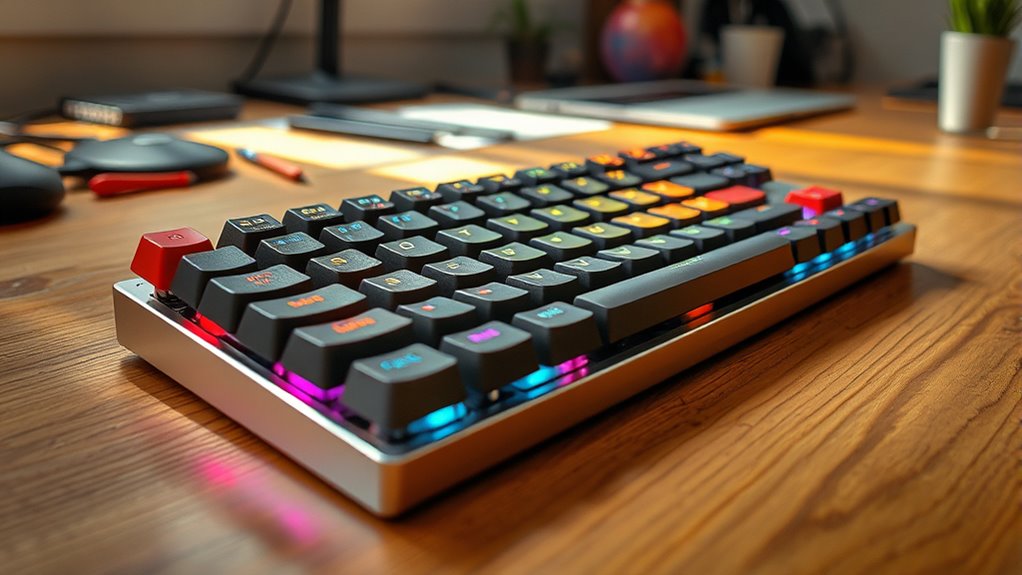
Keeping detailed records of your builds is essential for tracking progress, troubleshooting issues, and sharing your projects with others. When you document each step, you create a valuable reference that simplifies future modifications and repairs. This becomes especially useful when dealing with parts compatibility concerns, as you can easily verify which components worked well together or caused problems. Clear documentation helps you avoid repeating mistakes and ensures you select compatible parts for subsequent builds, saving both time and money.
Keeping detailed build records simplifies troubleshooting and ensures component compatibility for future upgrades.
As you build, make it a habit to note down specific details about each component—brand, model number, specifications, and where you sourced them. Including photos can be immensely helpful, especially when trying to troubleshoot or upgrade later. When issues arise, your records serve as a troubleshooting guide, allowing you to identify patterns or recurring problems. For example, if a particular component consistently causes overheating or compatibility errors, you’ll recognize the pattern more quickly. These troubleshooting tips become ingrained in your documentation, turning each build into a learning experience.
Organizing your records systematically makes referencing easier. Use spreadsheets, build logs, or dedicated notebooks to log hardware details, software configurations, and any modifications you make. When documenting parts compatibility, include details such as socket types, power requirements, and connector types. This ensures you won’t accidentally install incompatible components, which could lead to system instability or damage. Keeping track of these specifics helps you make informed decisions when upgrading or troubleshooting. If something doesn’t work right away, your notes can guide you through the process of isolating the issue, whether it’s a faulty part or an installation mistake.
Beyond troubleshooting, having thorough documentation allows you to share your projects with others—be it online communities, friends, or collaborators. Clear records make it easier for others to replicate your builds or suggest improvements. Also, if you plan to revisit a project months later, your notes prevent you from having to start from scratch, saving you time and frustration. Remember to include details about any customizations, BIOS settings, or software tweaks, as these often impact overall performance and stability. Additionally, understanding electric bike specifications, such as motor horsepower and battery capacity, can help you optimize your build and maintenance plans.
computer build documentation spreadsheet
As an affiliate, we earn on qualifying purchases.
As an affiliate, we earn on qualifying purchases.
Frequently Asked Questions
What Tools Are Best for Digital Build Documentation?
You should use digital tools like Trello, Notion, or Google Drive for record keeping and build documentation. These tools are user-friendly, allow for easy updates, and keep your build information organized in one place. With features like version history and collaboration options, they help you track progress, troubleshoot issues, and reference past builds quickly. Embracing these digital options makes future referencing smoother and more efficient.
How Often Should I Update My Build Records?
You should update your build records regularly, preferably after every significant change or milestone. This keeps your documentation precise and current. Use version control to track different iterations, ensuring you can revert if needed. Implement backup strategies to safeguard your records against loss. By consistently updating and securing your build data, you maintain a meticulous, manageable history, making future troubleshooting, tweaking, and team collaboration seamless and simple.
Can I Automate Build Documentation Processes?
Yes, you can automate build documentation processes using automation strategies like scripts, plugins, or specialized tools. These methods help guarantee consistency and save time, aligning with documentation standards. By integrating automation into your workflow, you reduce manual errors and keep records up-to-date effortlessly. You’ll find that automating build documentation streamlines your process and maintains high-quality, reliable records for future reference.
What Details Are Essential to Include in Build Logs?
You should include the build version, date, and time, along with the specific tools and dependencies used. Record any changes from previous versions and note relevant environment details. Incorporate version control info to track updates easily. For troubleshooting tips, document errors encountered and how you resolved them. This thorough info helps you quickly identify issues later and ensures your build logs serve as effective reference points.
How Do I Organize Documentation for Multiple Projects?
Think of organizing your project documentation like a well-tuned orchestra. To keep everyone in harmony, use clear folders or digital tools for each project, include versioning details to track changes, and make sure your logs are easily accessible. This way, your team collaboration flows smoothly, and you can quickly find what you need. Consistent naming conventions and centralized storage help keep your projects aligned and ready for any encore.
Conclusion
By documenting your builds, you create a valuable resource for future projects and troubleshooting. Imagine building a custom PC, then realizing months later you forgot which cable configurations worked best. If you had documented your steps, you’d save time and avoid frustration. Keep detailed notes, photos, and configurations—you’ll thank yourself down the line. Proper documentation turns a one-time project into a well-maintained, easily replicable process, making every build smoother and more successful.
Halloween Picks
halloween
As an affiliate, we earn on qualifying purchases.