
When deciding between hand tools and machines, consider your project size, material, and precision needs. Hand tools are better for small, detailed tasks and quick adjustments, offering more control for delicate work. Machines excel at larger volumes, repetitive tasks, and tougher materials, boosting efficiency. To get the best results, weigh these factors carefully, and if you want insights on optimizing your workflow, there’s more to explore below.

Get business pricing on tools and workshop supplies
- Business-only prices and quantity discounts
- Tax-exempt purchasing
- Multiple users, one account, clear invoices
Key Takeaways
- Use hand tools for intricate, delicate, or small-scale projects requiring fine control and customization.
- Opt for machines when handling large volumes, repetitive tasks, or materials needing consistent, precise cuts.
- Choose hand tools for softer, thinner materials and detailed craftsmanship; select machines for tough, dense materials.
- Employ hand tools for flexibility and quick adjustments; use machines to improve efficiency in bulk production.
- Consider skill level, setup time, and maintenance: hand tools suit experienced craftsmen; machines require calibration and upkeep.
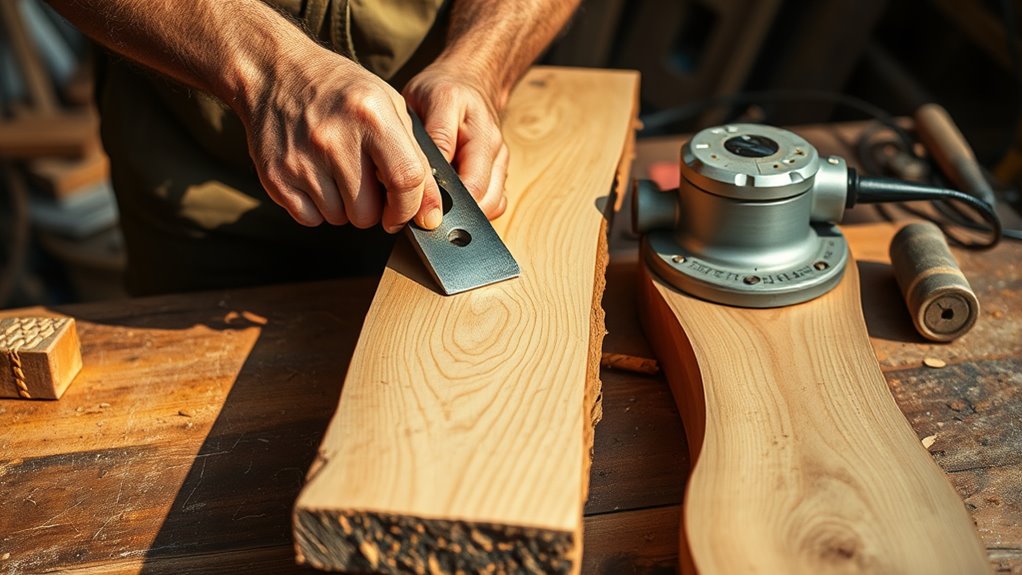
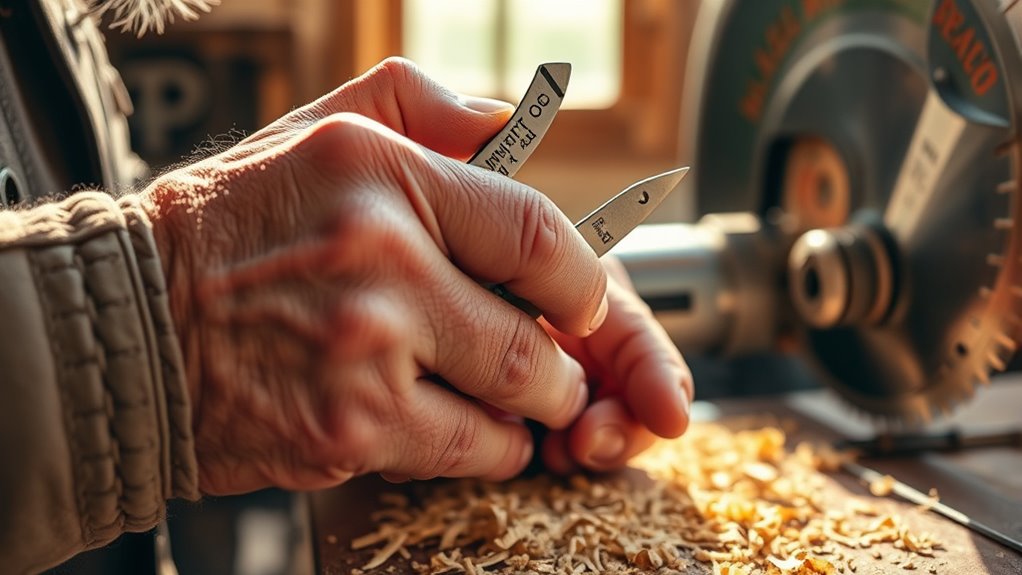
Deciding whether to use hand tools or machines depends on the project’s scope, precision requirements, and your workflow. When it comes to achieving precision cuts, understanding the strengths and limitations of each approach is essential. Hand tools excel in situations where control and finesse are paramount, especially when working with delicate or complex materials. They allow you to make incremental adjustments, giving you the flexibility to refine your cuts as you go. This level of control is particularly valuable when dealing with intricate designs or when the project demands a high degree of craftsmanship. However, hand tools can be limited by material constraints; softer or thinner materials might be easier to cut manually, but tougher or thicker materials could be labor-intensive and less precise without specialized equipment. Using the right tool selection for your project ensures optimal results and efficiency.
Hand tools offer precise control for delicate, intricate, or custom projects, allowing incremental adjustments and craftsmanship.
Machines, on the other hand, are built to handle larger volumes and tougher materials with consistency and speed. They can produce precise cuts repeatedly, which is essential for projects that require uniformity across multiple pieces. When working with harder materials like metal or dense hardwoods, machines often outperform hand tools by maintaining accuracy over extended periods. This consistency reduces the risk of human error and can substantially improve productivity. But machines also have their limitations. They can be less forgiving when it comes to fine, detailed work, especially if the project involves complex shapes or delicate features. Additionally, initial setup time and costs can be higher, and material constraints might restrict the size or type of materials you can work with effectively.
Your workflow influences the choice considerably. For small-scale projects, prototypes, or custom pieces, hand tools often provide the flexibility you need without the overhead of machine setup. They’re easy to maneuver in tight spaces and allow for spontaneous adjustments. Conversely, for large batches or repetitive tasks, machines save time and ensure uniformity, making them the preferred choice. The decision also hinges on your skill level; experienced craftsmen can often push hand tools to their limits, achieving results that machines might struggle to replicate without extensive calibration. Meanwhile, machines demand a different set of skills and maintenance routines but deliver consistent results once properly set up.
Ultimately, your project’s specific requirements—whether precision cuts, material constraints, volume, or level of detail—dictate the best approach. Combining both methods can sometimes offer the ideal solution, leveraging the finesse of hand tools for detail work and the efficiency of machines for bulk or tough material tasks. Knowing when to switch between them ensures you get the best results while working efficiently within your workflow.
precision hand tools for woodworking
As an affiliate, we earn on qualifying purchases.
As an affiliate, we earn on qualifying purchases.
Frequently Asked Questions
How Do I Determine the Best Tool for Complex Shapes?
You should select the tool based on your ergonomic considerations and the precision required for the complex shape. For intricate designs demanding high accuracy, a machine offers consistent results and reduces fatigue, making it ideal. However, if the shape requires delicate detailing or you need more control, hand tools can be better. Assess your comfort and project needs carefully to determine whether precision or ergonomics should take priority in your choice.
What Safety Precautions Should I Take With Hand Tools?
You should always prioritize safety by paying attention to ergonomics considerations, ensuring your workspace reduces strain and fatigue. Wear appropriate personal protective equipment like gloves and goggles. Keep your hand tools properly maintained and stored in accessible tool storage solutions to prevent accidents. Always cut away from your body, use the right tool for the job, and stay focused to avoid slips or injuries. Regularly inspect tools before use for damage or wear.
Can I Switch Between Hand Tools and Machines During a Project?
It’s not a scene from a sci-fi movie—you can shift between hand tools and machines during your project. Just keep safety in mind, and don’t forget about tool versatility and skill development. Using both methods can boost efficiency and precision, but make certain you’re comfortable with each changeover. Take your time to master each tool’s nuances, and you’ll find your workflow becoming smoother while honing your craftsmanship.
How Does Material Type Influence Tool Choice?
Material type directly influences your tool choice because you need to take into account material compatibility and tool versatility. For softer materials like wood, hand tools work well, providing control and precision. Harder or tougher materials, such as metal or dense plastics, often require machines for efficiency and power. By matching tools to the material, you guarantee safety, achieve better results, and make your workflow smoother, saving time and effort throughout your project.
What Maintenance Is Required for Different Tools?
Like a well-oiled machine, your tools need regular care to perform at their best. You should clean and lubricate hand tools to preserve tool durability, and check for wear or damage. Power tools require inspection of cords and switches, plus blade or bit replacements. Prioritize tool ergonomics by adjusting grips and handles, ensuring comfort and safety. Consistent maintenance keeps your tools efficient, safe, and prolongs their lifespan.
Conclusion
Ultimately, knowing when to hand-tool or machine depends on your project’s needs. Imagine restoring an antique chair—you carefully hand-carve delicate details to preserve its charm. Conversely, for rapid, repetitive tasks like sanding a large surface, a machine saves time and effort. By choosing wisely, you can protect your craftsmanship’s integrity while working efficiently. Remember, sometimes the best results come from blending both approaches, tailoring your tools to bring your vision to life.
Fall yard work Picks
leaf blowers
As an affiliate, we earn on qualifying purchases.