Choosing the right cabinet door bit can quickly elevate your profile quality. Opt for an ogee bit for classic, elegant curves or a straight bit for a sleek, modern edge. If you want depth, a raised panel bit is your best bet. Consider the wood type too; softer woods require different bits than hardwoods for smooth results. With the right knowledge and techniques, your cabinets can achieve a professional finish effortlessly—and there’s plenty more to discover about bit selection.

Get tools and workshop supplies delivered free — and shop member deals
- Fast, free delivery on millions of items
- Access to Prime Big Deal Days deals on October 6–7
- Prime Video, Amazon Music and more included
Key Takeaways
- Selecting the right cabinet door bit, like a raised panel bit, enhances profile depth and character quickly.
- A traditional ogee bit creates elegant curves, instantly elevating the cabinet’s aesthetic.
- Using high-quality bits designed for specific materials ensures smoother cuts and cleaner profiles.
- Practice on scrap wood helps refine techniques and improves bit interaction for better results.
- Understanding the nuances of router bits allows for informed choices, streamlining workflow and minimizing errors.
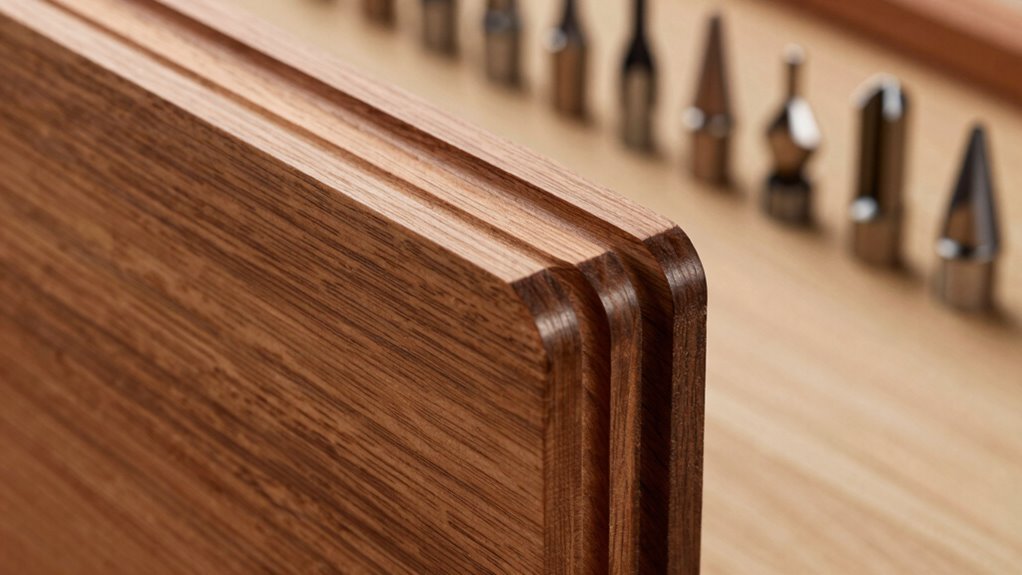
Choosing the right cabinet door bit can feel like maneuvering through a maze, but it’s crucial for achieving that perfect finish. You want to guarantee your cabinets not only function well but also look stunning. The key lies in selecting the right router bit types that align with your desired profile design. When you understand the nuances of these bits, you can elevate your woodworking projects considerably.
First, consider the different router bit types available. Each type serves a specific purpose, and knowing them can make all the difference. For instance, a traditional ogee bit creates a classic look with its elegant curves, perfect for traditional cabinetry. On the other hand, a straight bit offers a clean, modern edge, ideal for minimalist designs. If you’re leaning toward a more decorative style, a raised panel bit enhances the depth and character of your cabinet doors. By matching the bit to your vision, you’ll streamline your workflow and minimize mistakes. Understanding the specific purpose of each bit can help you select the most suitable tool for your project. Additionally, recognizing the different router bit types ensures you pick the right tool for each task. Knowing how each bit interacts with various woodworking materials can also improve your results and prevent damage. It’s also helpful to consider the bit material and coating, as these factors influence durability and performance during use.
Explore various router bit types to elevate your cabinet designs, from classic ogee curves to sleek straight edges.
Next, think about the profile design you want to achieve. Your choice of profile will dictate the overall aesthetic of your cabinets. Whether you prefer a simple, flat design or something more intricate, your router bit must correspond to that vision. For example, if you’re going for a shaker style, a simple square edge might suffice. However, if you want to impress with a more ornate style, a bit that creates an elaborate profile is necessary. You’ll gain confidence in your work when you know the bit complements your intended design.
Don’t forget the importance of material selection. The type of wood you’re working with can also affect your choice of router bit. Softer woods like pine may require a different approach compared to hardwoods like oak or maple. A high-quality bit designed for specific materials will yield smoother cuts and cleaner profiles, ultimately enhancing the final look of your cabinets. Additionally, understanding the material properties can help you select bits that produce the best results for your project.
Finally, remember that practice makes perfect. Once you’ve selected the right router bit types for your desired profile design, take the time to practice on scrap pieces. This will help you gauge how the bit interacts with your chosen wood, giving you insights into adjustments you might need. With the right tools and knowledge, you’re on your way to achieving that professional finish you’ve always wanted. So, plunge into this exciting journey of cabinet making, and enjoy the transformation that comes with the right choices.
As an affiliate, we earn on qualifying purchases.
Frequently Asked Questions
What Materials Are Best Suited for Cabinet Door Bits?
When choosing cabinet door bits, focus on material compatibility for the best results. High-speed steel (HSS) bits are durable and ideal for softer woods, while carbide-tipped bits work wonders on hardwoods and laminates. For intricate profiles, consider bits with special coatings to reduce friction. By paying attention to bit selection, you’ll enhance your cutting precision and prolong the life of your tools. Always match the bit to your specific material for peak performance.
How Often Should I Replace My Cabinet Door Bits?
Replacing your cabinet door bits is like changing the oil in your car; it keeps everything running smoothly. You should check for bit wear often, ideally after every few projects. If you notice dullness or chipping, it’s time for a replacement. Generally, plan on replacing them every 6 to 12 months, depending on usage. Keeping an eye on their condition guarantees high-quality cuts and extends the life of your tools.
Can I Use Cabinet Door Bits on Other Projects?
Yes, you can definitely use cabinet door bits on other projects! Their versatility allows you to create various profiles and designs on different materials. Whether you’re working on furniture, trim, or custom cabinetry, these bits can deliver professional results. Just make sure to adjust your settings based on the material and thickness. Experimenting with different bit applications can expand your woodworking skills and enhance your projects considerably!
What Safety Precautions Should I Take While Using These Bits?
When using cabinet door bits, always prioritize safety. Wear personal protection gear like safety goggles and hearing protection to shield yourself from debris and noise. Make certain you handle the bits carefully to avoid cuts or injuries. Keep your work area clean and free of clutter to prevent accidents. Always secure your workpiece properly to avoid movement while cutting. Following these precautions helps make certain a safe and productive experience with your tools.
How Do I Maintain My Cabinet Door Bits for Longevity?
To maintain your cabinet door bits for longevity, use proper bit sharpening techniques regularly to keep them in top shape. After each use, clean the bits to remove resin and debris. Store them in a padded case or a dedicated storage solution to prevent damage. Avoid stacking them, as this can dull the edges. By following these steps, you’ll guarantee your bits remain effective and last longer for your projects.
Conclusion
Choosing the right cabinet door bit can transform your woodworking projects from ordinary to extraordinary, but it’s not just about the bit itself. Imagine the moment you realize your choice can drastically alter your profile quality, enhancing every detail. As you stand at the edge of this decision, consider the impact it’ll have on your craftsmanship. Will you take the plunge and elevate your work, or let hesitation hold you back? The choice is yours—make it count.
Fall yard work Picks
leaf blowers
As an affiliate, we earn on qualifying purchases.