TL;DR

Get business pricing on tools and workshop supplies
- Business-only prices and quantity discounts
- Tax-exempt purchasing
- Multiple users, one account, clear invoices
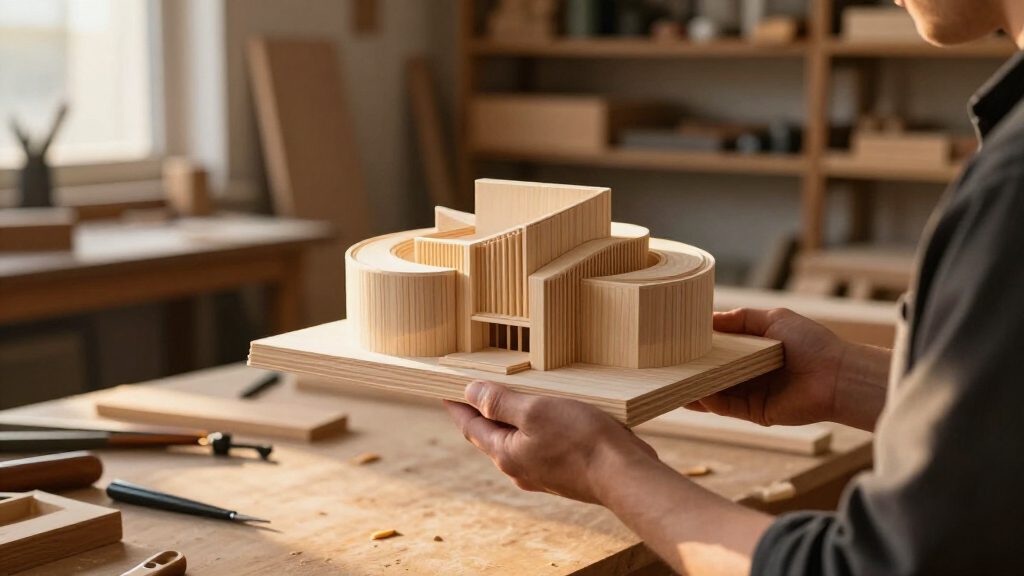
The first art museum to be fully completed has seen a significant increase in global media coverage, with 13 mentions within a recent time window—13 times the usual baseline. The development is attracting widespread attention, though details about its purpose and origin remain unclear.
The first fully completed art museum has experienced a notable surge in global coverage, with reports increasing to 13 mentions within a recent time window—13 times the usual baseline, according to GDELT data. This rapid rise in attention underscores growing international curiosity and interest, though many details about the museum’s origins, purpose, and future plans remain unconfirmed.
According to GDELT, the global media mentions of this newly completed art museum have spiked to 13 within a specific recent window, marking a significant increase from the typical baseline of one mention. This surge is generating widespread coverage across multiple regions, with outlets highlighting its architectural design, potential cultural impact, and the novelty of its completion. While the coverage is extensive, official statements or detailed information from the museum’s organizers or authorities have not yet been released, leaving many aspects of the project uncertain.
Sources have not confirmed the museum’s location, ownership, or the timeline of its construction, which remains shrouded in mystery. The media interest appears to be driven by the novelty of the event rather than confirmed details, with analysts suggesting that the coverage may reflect broader trends in cultural investment or speculative interest in new art institutions. The surge in mentions has prompted discussions online and in media circles about the significance of this development for the global art scene.
Implications of the Media Surge in Art Museum Coverage
This surge in global media attention indicates a heightened international interest in new cultural institutions, especially those related to art. The development could signal increased investment in art infrastructure or a shift in cultural diplomacy. For the art world, the museum’s completion might set a precedent or inspire similar projects, although without confirmed details, its true impact remains speculative. The media’s focus on this event also reflects broader trends of rising curiosity about innovative architecture and cultural symbolism in public spaces.
For audiences and stakeholders, the coverage underscores the importance of transparency and communication from project organizers. If the museum’s purpose aligns with promoting art, education, or cultural exchange, its successful completion could have long-term benefits, but currently, the lack of confirmed information limits definitive analysis. The media interest may also influence future funding, sponsorship, or policy decisions related to cultural infrastructure.
As an affiliate, we earn on qualifying purchases.
Background and Rising Media Interest in Cultural Projects
Interest in new cultural and architectural projects has been increasing over recent years, driven by a combination of technological advances, urban development trends, and growing global investment in arts and culture. Historically, major museum openings or significant architectural milestones tend to attract media attention, especially when they involve innovative designs or symbolic significance. However, this particular event—the completion of what is claimed to be the first fully finished art museum—stands out because of the recent spike in coverage, despite limited confirmed details.
Prior to this surge, there have been numerous announcements and proposals for new museums worldwide, but few have reached full completion and garnered widespread media attention. The current spike appears to be driven by the novelty and the rapid increase in mentions, which may be a reflection of broader interest in cultural investments or a potential trend towards landmark art institutions. It remains unclear whether this event is part of a larger movement or a standalone occurrence.
Unconfirmed Details and Ongoing Speculation
It is not yet clear where the museum is located, who funded or owns it, or what its specific purpose is. No official statements or detailed descriptions have been released, and the event’s significance remains largely speculative. The spike in mentions could be a temporary media phenomenon or part of a broader trend, but confirmation is lacking.
Expected Clarifications and Future Announcements
Further information from the museum’s organizers or authorities is anticipated, which may clarify its location, purpose, and significance. Media outlets and analysts will likely monitor for official statements or developments that could confirm or contextualize this surge in coverage. The next few weeks may reveal whether this event leads to sustained interest or remains an isolated media phenomenon.
Key Questions
What is the location of the newly completed art museum?
It is currently unconfirmed where the museum is located. No official details have been released.
Who funded or owns the museum?
There is no verified information about the funding or ownership at this time.
Why is media coverage increasing now?
The surge appears to be driven by the event’s novelty and the rapid rise in mentions, though the exact cause remains unconfirmed.
What does this mean for the art world?
While the event has garnered attention, its actual impact depends on further details that are yet to be disclosed.
Will there be an official announcement?
It is expected that official statements or updates will be released soon, clarifying the event’s significance.
Source: gdelt
Fall yard work Picks
leaf blowers
As an affiliate, we earn on qualifying purchases.