
TL;DR

Get business pricing on tools and workshop supplies
- Business-only prices and quantity discounts
- Tax-exempt purchasing
- Multiple users, one account, clear invoices
Cordless power drills have become essential, combining portability with power thanks to lithium-ion batteries and brushless motors. Knowing key features and recent innovations ensures you choose the right tool for your needs.
Imagine a drill that’s as light as a feather but packs enough punch to hang shelves, drill into concrete, and assemble furniture. That’s the magic of cordless power drills. They’ve replaced bulky, corded models for good, offering freedom and convenience. But with so many options, how do you choose the right one? This guide will clarify what makes a cordless drill tick, highlight recent innovations, and give you practical tips to get the most bang for your buck.
Whether you’re tackling a weekend project or outfitting a professional workshop, understanding the essentials helps you avoid buying a lemon. From battery tech to ergonomic design, let’s break down what makes a cordless drill worth your investment—and how to pick one that lasts.
Choose a drill with voltage and features suited to your project, balancing power and portability.
Brushless motors significantly boost efficiency and lifespan—worth the extra cost for frequent users.
Proper battery care—storing at the right charge and keeping it cool—extends the tool’s life.
Latest models combine smart tech and ergonomic design, making work easier and more comfortable.
Matching your drill’s specs to your tasks prevents frustration and saves money.
What Makes a Cordless Drill a True Powerhouse?
At its core, a cordless drill’s power is measured in volts. The higher the voltage, the more muscle it has. Light-duty DIY tasks often need 12V or 20V models, perfect for hanging picture frames or assembling furniture. Heavy-duty jobs, like drilling into brick or concrete, demand 60V or even 120V drills, which pack serious punch.
Battery technology is the backbone of performance. Lithium-ion batteries dominate because they’re lighter, hold charge longer, and last through more charge cycles than older Ni-Cd or Ni-MH packs. That means less downtime and more work done per charge.
Imagine a drill with a 20V lithium-ion battery—light enough to use all day, yet powerful enough to drill through hardwoods. It’s like having a mini, portable powerhouse in your hand.
Other features like chuck size, speed controls, and ergonomic design also influence how well a drill performs in real-world scenarios. A 3/8-inch keyless chuck lets you swap bits in seconds, and variable speed controls let you finesse delicate tasks or power through stubborn materials.
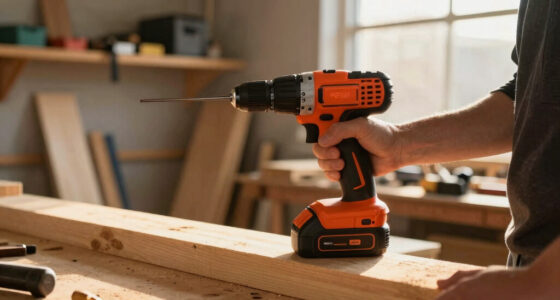
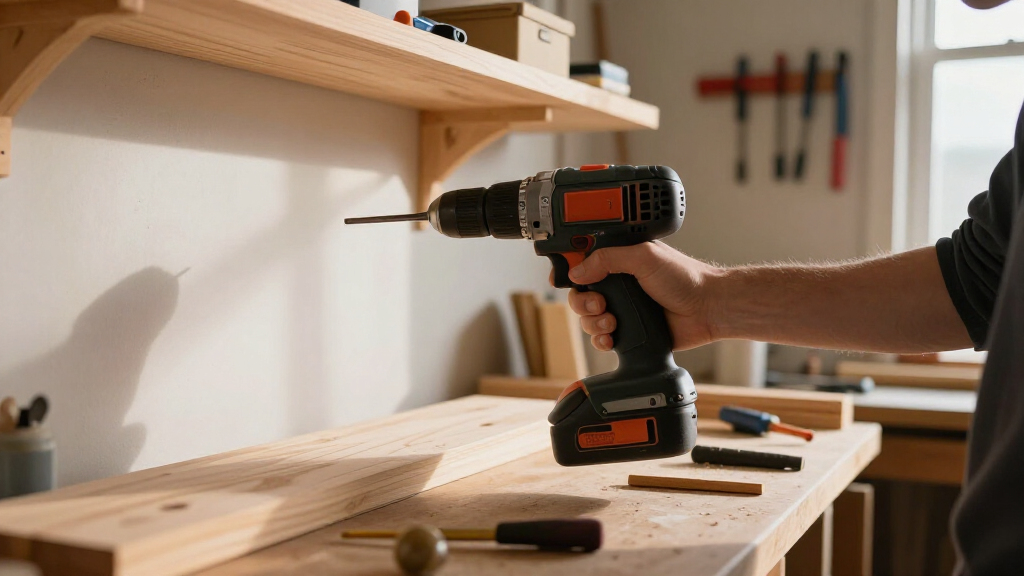
cordless power drill with brushless motor
As an affiliate, we earn on qualifying purchases.
As an affiliate, we earn on qualifying purchases.
The Latest Tech: Why Brushless Motors and Smart Features Matter
Brushless motors are game-changers. Unlike brushed motors, they generate less heat, run more efficiently, and last longer. They’re the reason some drills can operate for hours without overheating and still deliver maximum torque. For example, a brushless drill with a 20V battery can outperform an older brushed model with the same battery size, thanks to this efficiency boost.
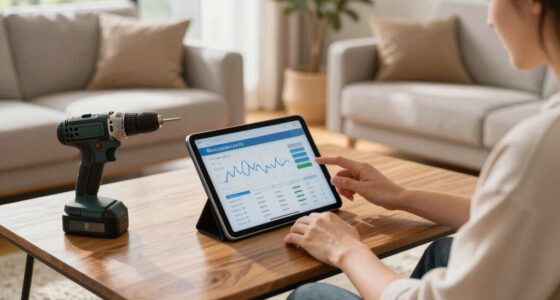
Recent innovations go beyond motors. Some drills now connect via Bluetooth or apps, letting you monitor battery health, usage patterns, or even receive maintenance alerts. Think of it as a tiny health report for your power tool, helping you avoid sudden breakdowns.
Battery tech also keeps advancing. Fewer charging cycles, longer run times—these make a real difference. A drill with a fast-charging 4-Ah lithium-ion pack can give you 50% charge in 30 minutes, enough for a quick fix or a few more holes.
And don’t overlook design tweaks—compact, lightweight bodies with textured grips make extended use less tiring. When you combine all these features, you get a drill that’s not just powerful, but smarter and more comfortable to wield.
How to Choose the Perfect Cordless Drill for Your Projects
- Assess your power needs: For light tasks, 12V-20V models are fine. For tougher jobs, aim for 60V or more.
- Check battery tech: Lithium-ion is standard; look for high Ah ratings for longer run times.
- Prioritize ergonomics: Lightweight, balanced, with a comfortable grip—especially if you plan to use it for hours.
- Pick the right chuck: Keyless 1/2-inch chucks offer quick bit changes, ideal for frequent switching.
- Consider extra features: LED lights, multiple speeds, brushless motors, and compatibility with other tools in the same battery platform.
Say you’re installing kitchen cabinets. A 20V drill with a 4-Ah battery, a comfortable grip, and a built-in LED can make the job smoother. For heavy-duty concrete drilling, look for a 60V model with a hammer function and robust chuck.
Matching your project demands with the right specs prevents frustration and saves money in the long run.
Compare Top Features: Which Drill Fits Your Style?
| Feature | Basic DIY Model | Mid-Range Power | Heavy-Duty Beast |
|---|---|---|---|
| Voltage | 12V-20V | 20V-60V | 60V-120V |
| Battery Type | Li-ion | Li-ion / Brushless | High-capacity Li-ion / Brushless |
| Weight | 3-4 lbs | 4-5 lbs | 5-7 lbs |
| Additional Features | LED, variable speed | Bluetooth, quick charge | Hammer drill, advanced chuck |
This table helps you quickly compare options. For small projects, a lightweight 12V model is perfect. For serious renovation work, a 60V brushless drill with a hammer function is worth the extra investment.
Maintaining Your Cordless Drill: Keep It Running Like New
Proper maintenance is simple but essential. Always store batteries in a cool, dry place—preferably at around 40% charge if you won’t use the drill for a while. Avoid letting batteries fully discharge or overheat, which shortens lifespan.
Regularly clean the chuck and vents with a soft brush to prevent dust buildup. If your drill has a brushless motor, keep an eye out for firmware updates if it has smart features.
When you’re done, remove the battery and store it separately. This prevents accidental activation and prolongs battery health. And if you notice reduced runtime or overheating, it’s time to replace the battery or have the motor checked.
Think of your drill as a trusted partner—caring for it means you’ll get years of reliable service, saving you money and frustration.
Frequently Asked Questions
What is the best cordless drill for DIY projects?
A 12V-20V lithium-ion drill with a comfortable grip and reliable brand reputation usually fits most DIY needs. Look for models with variable speed, LED lights, and a keyless chuck for quick bit changes.
How long do batteries last, and how can I extend their lifespan?
Batteries typically last 2-3 years with regular use, but proper care extends life. Store batteries in a cool, dry place at around 40% charge, avoid complete discharges, and don’t leave them in hot environments.
Are brushless motors worth the extra cost?
Yes. They deliver 20-30% more efficiency, generate less heat, and last longer—making them ideal if you use your drill frequently or for heavy-duty tasks.
What should I consider when choosing a cordless drill?
Assess your power needs, battery life, weight, ergonomics, and features like variable speed or smart tech. Matching these to your typical projects ensures satisfaction and durability.
Can I use different brand batteries interchangeably?
Only if the tools are compatible with the same battery platform. Many brands now offer universal or interchangeable batteries, but always check compatibility before swapping.
Conclusion
When it comes to cordless power drills, understanding what to look for transforms a confusing shopping list into a straightforward choice. Focus on your project needs, pick the right tech, and care for your batteries. With a little knowledge, your drill becomes the most versatile tool in your arsenal—ready to tackle anything.
Imagine finishing a project faster, with less fatigue and more confidence. That’s the real power of a well-chosen cordless drill. So, next time you reach for yours, remember: it’s more than just a tool. It’s your partner in creating, fixing, and building.
Columbus Day / Indigenous Peoples' Day Picks
long weekend sales
As an affiliate, we earn on qualifying purchases.