
TL;DR
Portugal’s traditional azulejo tile art has been officially recognized by UNESCO as part of the Intangible Cultural Heritage of Humanity. This designation underscores its cultural importance and aims to promote preservation efforts.
UNESCO has officially recognized Portugal’s azulejo tile art as an Intangible Cultural Heritage of Humanity. The designation was announced on March 22, 2024, during the UNESCO Cultural Heritage Committee meeting in Paris. This recognition affirms the cultural significance of azulejo, a traditional tile craft that dates back centuries and is a defining feature of Portuguese identity.
The decision was based on a comprehensive evaluation of azulejo’s historical, artistic, and social importance. UNESCO highlighted its role in Portuguese architecture, cultural expression, and community identity. The recognition aims to promote preservation efforts, support artisans, and encourage cultural tourism related to azulejo craftsmanship.
According to the Portuguese Ministry of Culture, this status will help secure funding and international support for safeguarding techniques, training new artisans, and maintaining historical workshops. The move also aligns with Portugal’s broader cultural preservation strategy, emphasizing intangible heritage.
Cultural and Preservation Impact of UNESCO Recognition
This recognition elevates azulejo from a traditional craft to a globally acknowledged cultural treasure. It will likely increase awareness and appreciation among international audiences, potentially boosting tourism and local economies. More importantly, it provides legal and financial support to preserve the craft amid modern challenges such as urban development and globalization.
Experts believe that UNESCO status will motivate younger generations to learn and continue azulejo techniques, which are at risk of decline as older artisans retire. The designation also encourages cultural exchange and collaboration with other heritage communities worldwide.
As an affiliate, we earn on qualifying purchases.
Historical and Cultural Background of Azulejo
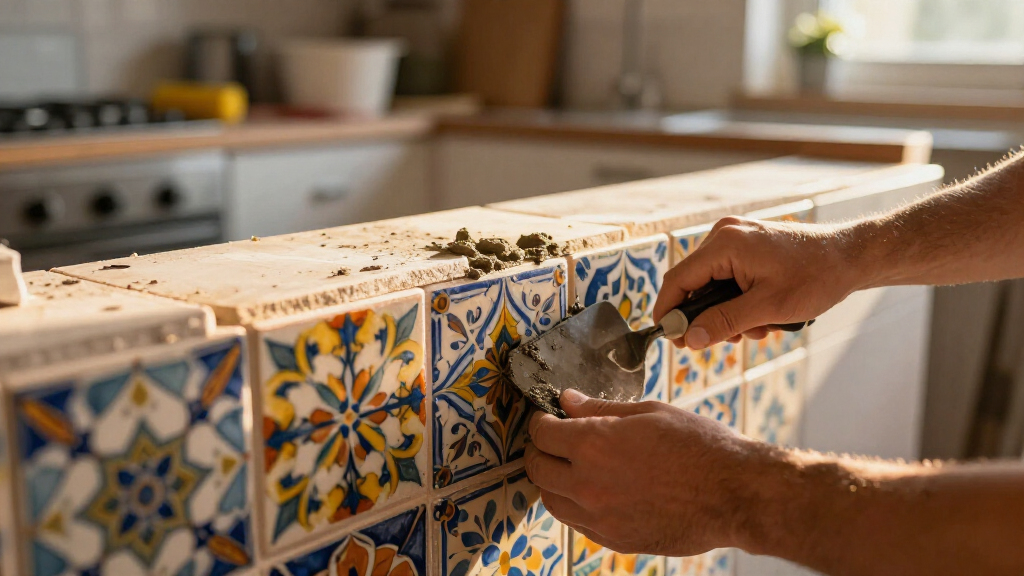
Azulejo tiles are glazed ceramic tiles that originated in the Iberian Peninsula, with roots traced to Moorish influences in Portugal dating back to the 15th century. Over centuries, azulejo evolved into a distinctive art form characterized by intricate geometric patterns, floral motifs, and vibrant colors.
Historically, azulejo has been used to decorate palaces, churches, and public buildings, becoming a symbol of Portuguese identity. The craft involves multiple stages, including design, glazing, and firing, often passed down through generations of artisans. Despite its cultural importance, the craft faced decline due to industrialization and modern building practices.
In recent decades, efforts have been made to revive and preserve azulejo, with workshops, cultural festivals, and academic programs promoting its legacy. The UNESCO recognition marks a milestone in these ongoing efforts.
“This recognition by UNESCO is a proud moment for Portugal. It affirms the cultural significance of azulejo and will help us protect and promote this unique art form for future generations.”
— Maria Silva, Portuguese Cultural Minister
Uncertainties About Implementation and Future Support
While UNESCO recognition is confirmed, details about specific funding, program initiatives, and how local communities will implement preservation efforts remain unclear. It is also uncertain how this status will influence industrial production and commercial use of azulejo tiles in the coming years.
Some experts question whether adequate resources will be allocated to sustain the craft long-term, especially in rural areas where many artisans work. The impact of the recognition on local tourism and community engagement is still developing.
Next Steps for Azulejo Preservation and Promotion
Portugal’s government and cultural organizations are expected to develop detailed action plans to leverage UNESCO status, including funding applications, training programs, and international collaborations. Cultural festivals and exhibitions showcasing azulejo are likely to increase over the next year, aiming to boost awareness and tourism.
Meanwhile, efforts to document and digitize traditional techniques are expected to accelerate, ensuring the craft’s transmission to future generations. Monitoring and evaluation of the impact of UNESCO recognition will be ongoing, with updates anticipated in 2025.
Key Questions
What is azulejo?
Azulejo is a traditional Portuguese glazed ceramic tile art, characterized by intricate patterns, vibrant colors, and historical significance, used extensively in architecture and decoration.
Why was azulejo recognized by UNESCO?
UNESCO recognized azulejo as an Intangible Cultural Heritage of Humanity due to its cultural, artistic, and social importance in Portugal, and its role in national identity and heritage preservation.
What benefits will this recognition bring?
The recognition is expected to support preservation efforts, increase global awareness, promote tourism, and help sustain traditional craftsmanship through funding and international cooperation.
Are there any challenges to preserving azulejo?
Yes, challenges include declining numbers of artisans, modernization of building practices, and limited resources for training and maintaining traditional techniques. The effectiveness of UNESCO support remains to be seen.
How can the public support azulejo preservation?
Public support can include visiting sites featuring azulejo, purchasing authentic tiles, participating in cultural events, and advocating for policies that protect traditional crafts.
Source: hn